
While both *Divinity: Original Sin 2* (DOS2) and *Diablo 4* are isometric-viewed RPGs, they are fundamentally different in their core gameplay, design philosophies, and overall player experience. Comparing them is like comparing a finely aged single malt to a high-octane energy drink – both are enjoyable, but for entirely different reasons.
Here’s a breakdown of how they stack up:
### Combat System: Turn-Based Tactics vs. Real-Time Action
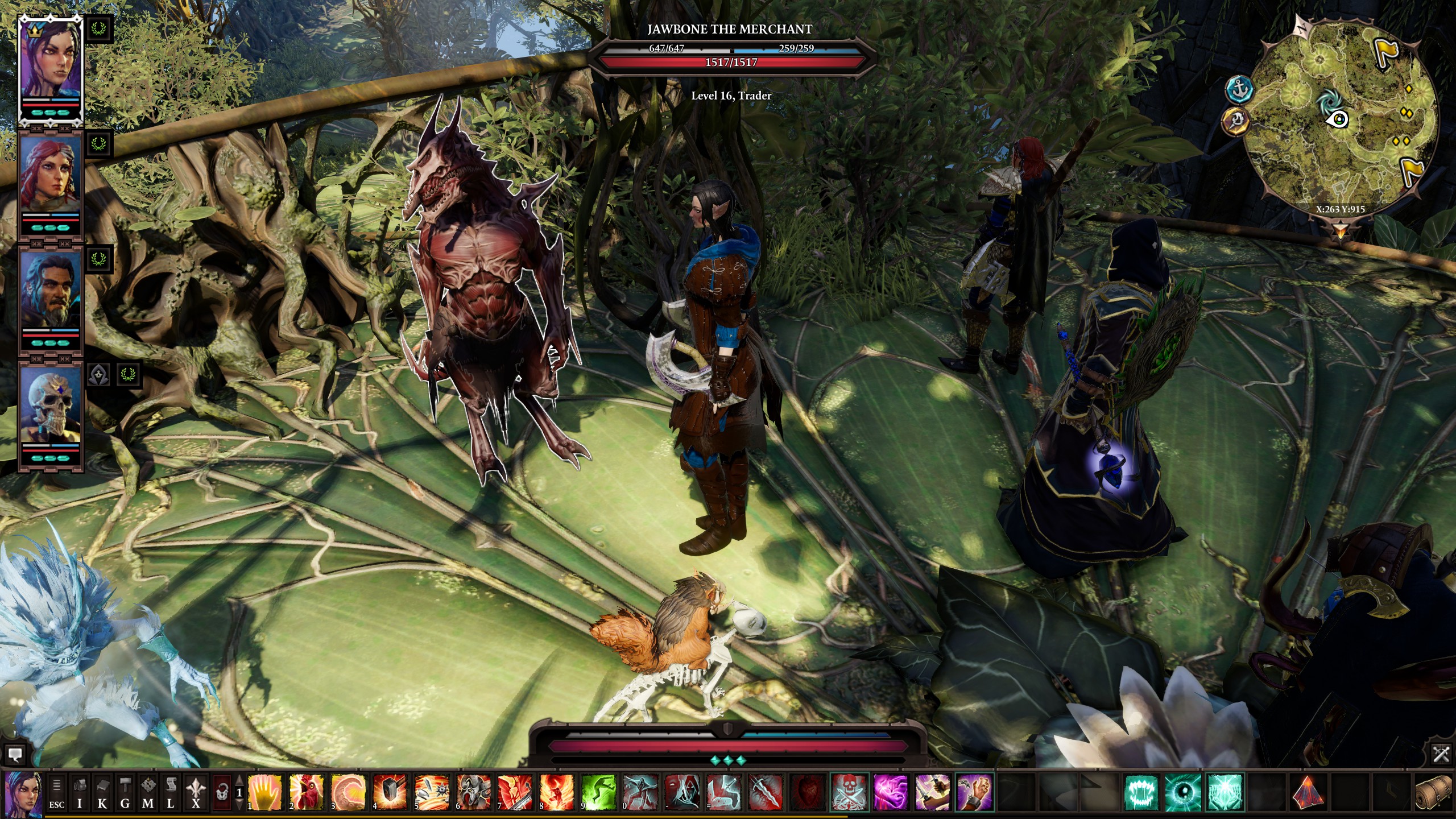
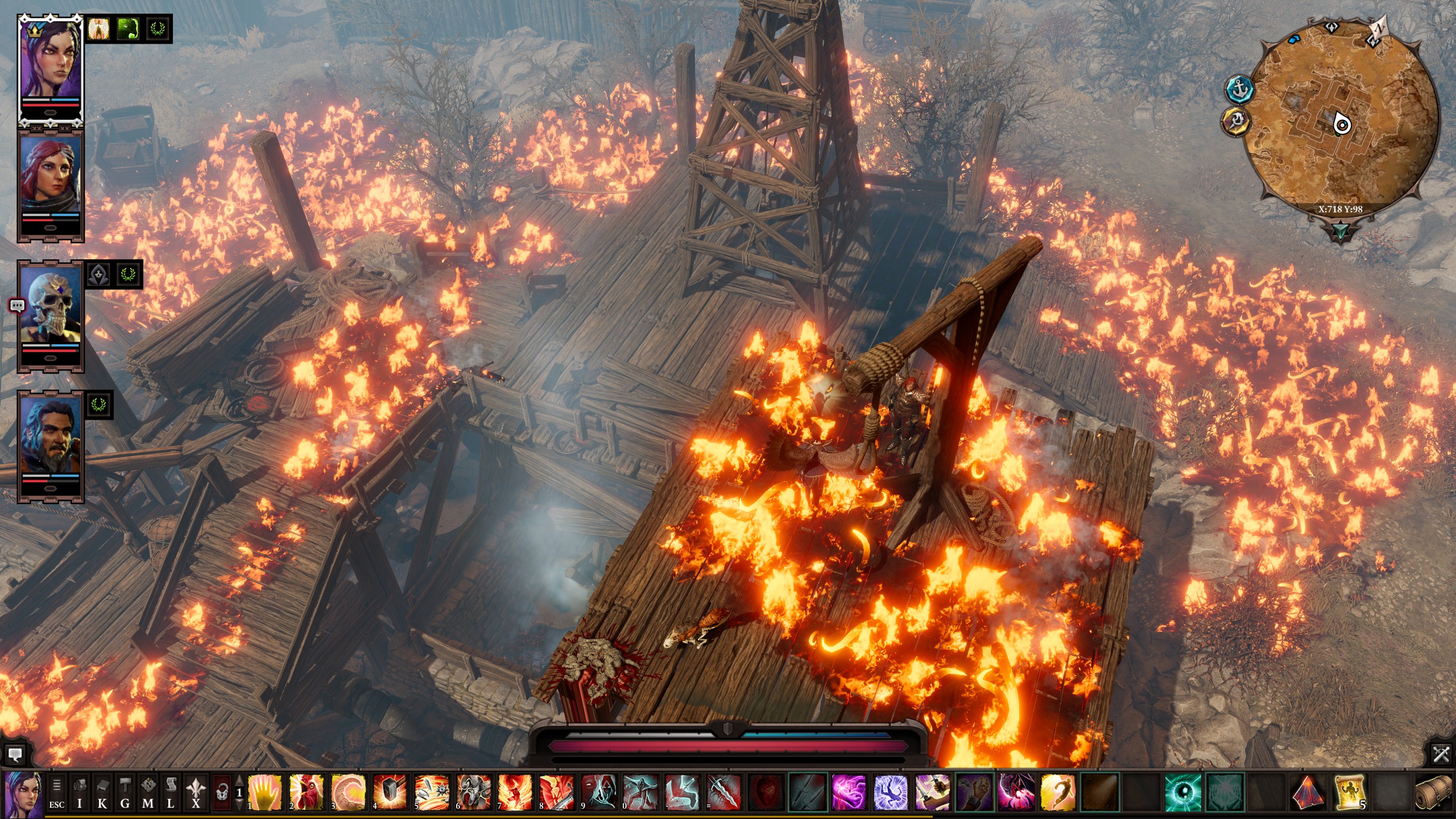
* **Divinity: Original Sin 2** is a classic, deep **turn-based tactical RPG**. Every combat encounter is a puzzle where positioning, environmental interactions (like electrifying water or burning oil), and precise ability usage are crucial. You control a party of up to four characters, each with their own actions and turns, demanding strategic planning and thoughtful execution. The combat is slower-paced, allowing for careful consideration of each move.
* **Diablo 4** is an **action RPG (ARPG)**, characterized by its fast-paced, real-time “hack and slash” combat. The focus is on mowing down hordes of enemies with satisfying abilities, collecting loot, and constantly progressing your character’s power. While there’s still strategy involved in build crafting and target prioritization, the moment-to-moment gameplay is much more about quick reflexes and continuous engagement.
### Role-Playing and Story: Deep Narrative vs. Lore-Driven Action
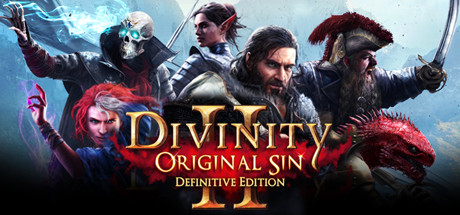
* **Divinity: Original Sin 2** places a heavy emphasis on **deep role-playing, character development, and player choice**. The game features extensive dialogue options, a flexible quest system with multiple approaches to resolution, and decisions that significantly impact the story and world. You can create a custom character or choose from six pre-made “Origin” characters, each with unique backstories and interactions that further immerse you in the narrative. The world reacts differently to your chosen race and background, adding layers to the role-playing experience.
* **Diablo 4** also has a rich lore and a dark, gothic story, but its primary focus is on the **action and progression loop**. While there are cutscenes and dialogue, the narrative often serves as a backdrop for the continuous demon-slaying and loot-hunting. The role-playing is more centered around building your character’s power and exploring the grim world of Sanctuary.
### Character Progression and Customization: Open-Ended vs. Class-Based
* **Divinity: Original Sin 2** offers **immense freedom in character development**. While you choose a starting class, the game allows for highly flexible multi-classing and skill combinations, letting you truly craft a unique playstyle. There’s a deep crafting system, and you can respec your character for free after the early game.
* **Diablo 4** features distinct **classes** (e.g., Barbarian, Sorceress, Druid, Rogue, Necromancer, and the upcoming Paladin and Spiritborn classes), each with their own skill trees and unique mechanics. While there’s significant customization within each class through skill point allocation, paragon boards, and legendary aspects, you are generally more constrained by your chosen class fantasy compared to DOS2’s open-ended system. The endgame in *Diablo 4* is designed for continuous progression and optimization of your build.
### Multiplayer: Cooperative Story vs. Shared World
* **Divinity: Original Sin 2** supports **cooperative multiplayer** for up to four players, where each player controls a character within the party. This allows for a shared story experience, where players can make decisions together or even pursue conflicting goals.
* **Diablo 4** features a **shared open world** where you can encounter other players roaming around, participate in world events, and team up for dungeons and bosses. While you can play cooperatively, the experience is generally more focused on individual progression within a persistent online world.
### Monetization: Complete Package vs. Live Service
* **Divinity: Original Sin 2** is a **complete, single-purchase game** with no in-game purchases or ongoing monetization beyond the initial cost.
* **Diablo 4** is a **live-service game** with an in-game shop for cosmetics, battle passes, and expansions. The *Lord of Hatred* expansion, for example, is available for preorder and introduces new content, classes, and gameplay reworks.
In essence, if you crave a rich narrative, deep tactical combat, and extensive role-playing choices, *Divinity: Original Sin 2* is your game. If you’re looking for


Leave a Reply