
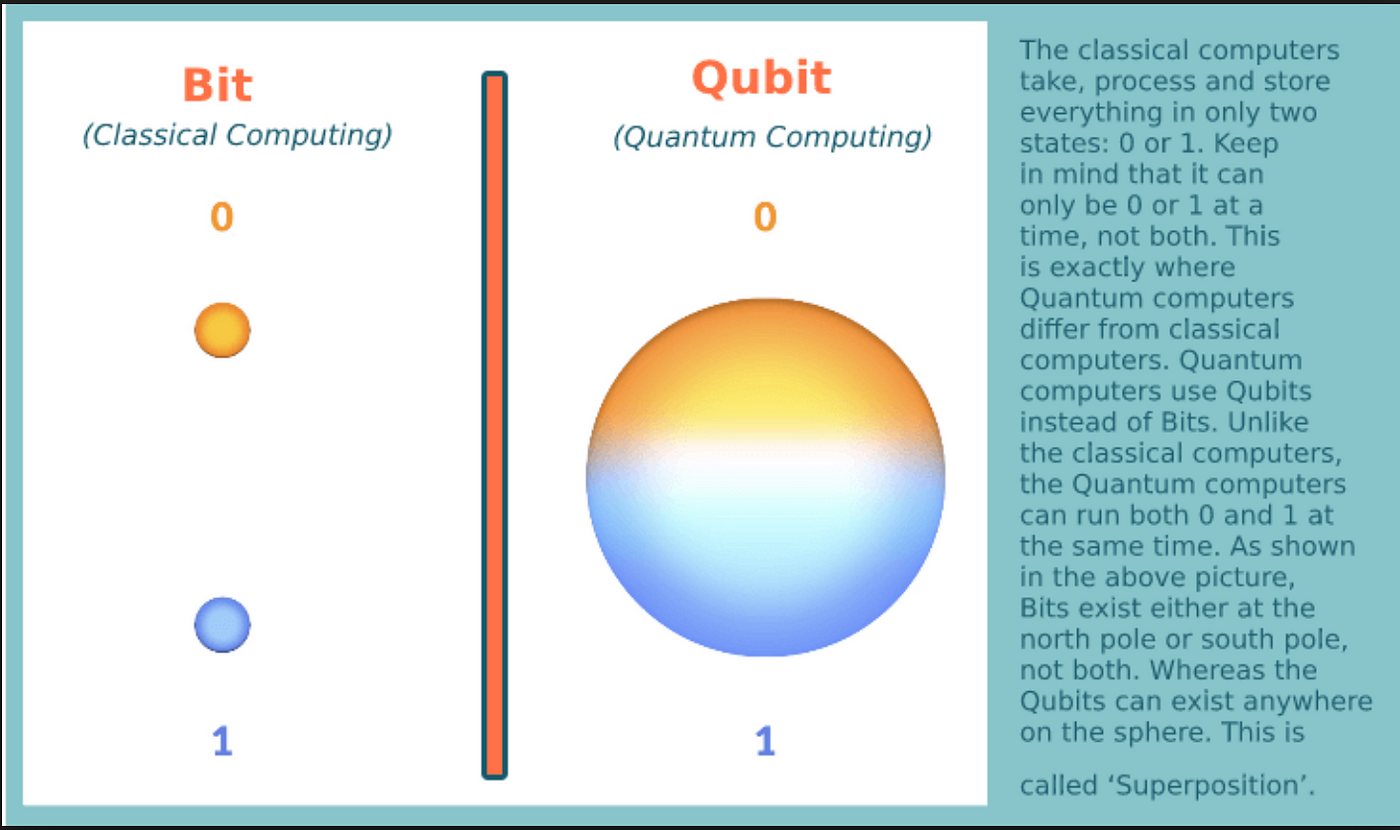
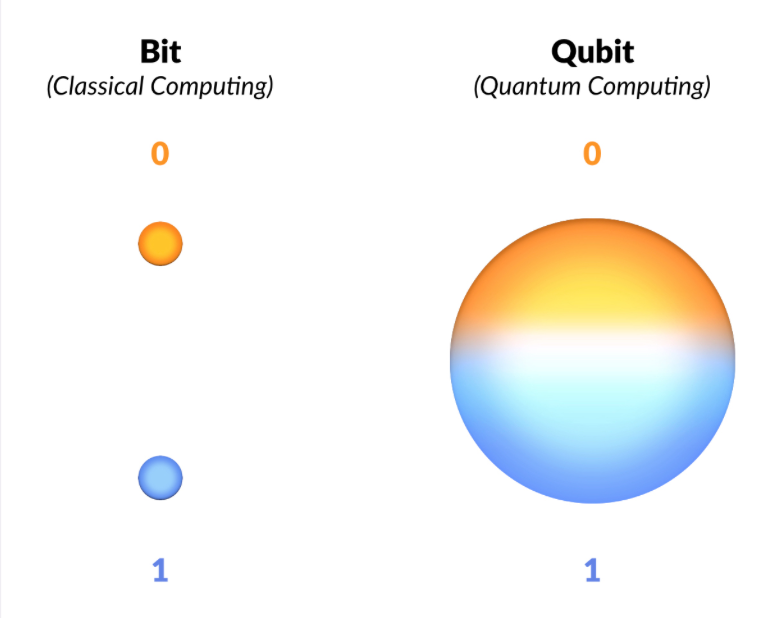
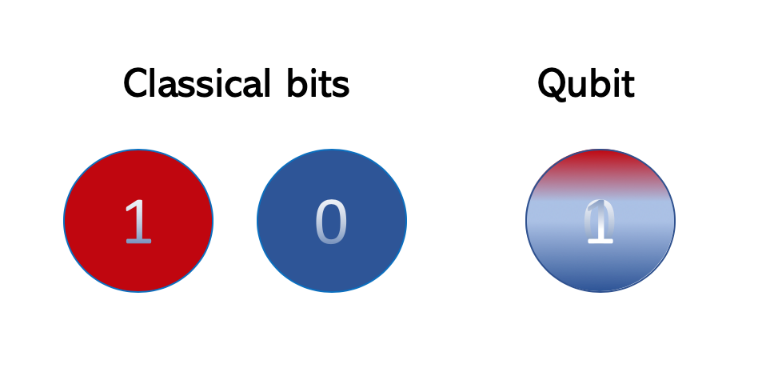
Quantum computing represents a revolutionary approach to information processing, leveraging the principles of quantum mechanics that describe the behavior of subatomic particles. Unlike traditional computers that operate using bits (0s and 1s), quantum computers utilize qubits, which can exist in multiple states simultaneously due to phenomena known as superposition. This unique capability allows quantum computers to conduct numerous calculations concurrently, vastly increasing their computational power.
Additionally, qubits can become entangled, meaning that the state of one qubit can instantaneously influence another, regardless of the distance separating them. This interconnectedness, combined with the ability to perform parallel computations, enables quantum computers to tackle complex problems that would be infeasible for classical computers, such as factoring large numbers or optimizing multifaceted systems. As such, quantum computing holds significant promise for advancements in various fields, including cryptography and optimization, offering solutions to challenges that were previously beyond reach.


Leave a Reply