
In Alan Wake II, understanding and managing the complexity of reality rewrites is essential for navigating the narrative-driven gameplay effectively. Here is a comprehensive guide on how you can track and comprehend the changes to reality as they unfold in the game.
Understanding Reality Rewrites in Alan Wake II
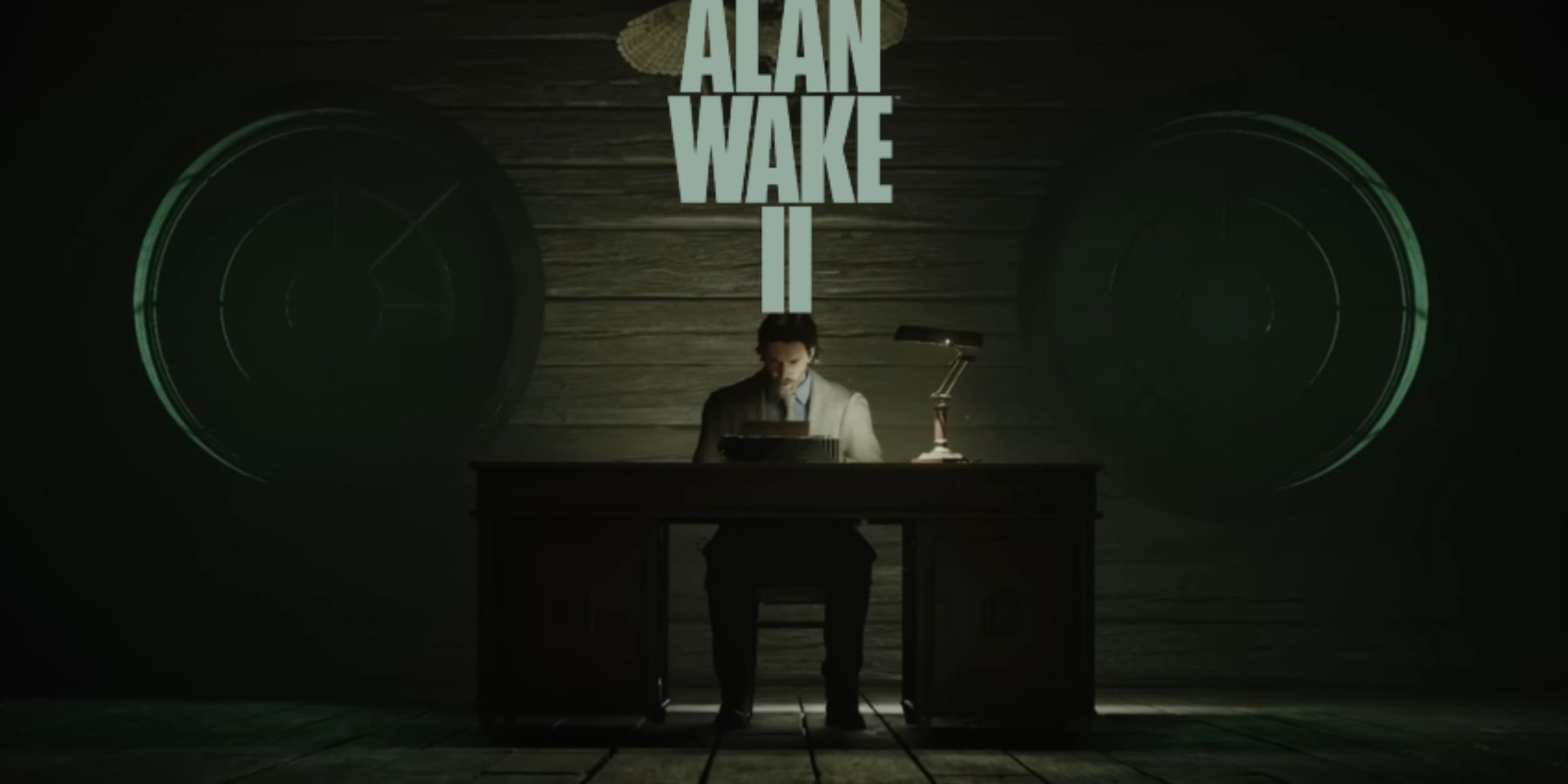
1. Narrative Structure: At the core of Alan Wake II is Alan’s unique ability to manipulate reality through his writing. This central mechanic allows players to experience a dynamic narrative where events can shift dramatically based on Alan’s choices and actions. Familiarizing yourself with how Alan’s writing influences the game world will provide insight into the nature of the changes happening around you.
2. Manuscript Pages: As seen in the original Alan Wake, manuscript pages are vital in the sequel. Collecting these pages can reveal past and potentially future events, serving as a narrative roadmap. By reading these pages, you can piece together how alterations in reality have transpired, as they often foreshadow significant plot twists and changes.
3. In-Game Indicators: Visual and narrative cues are scattered throughout the game to signal alterations in reality. Changes in character behavior or modifications in the environment—such as new obstacles or shifts in lighting—can indicate that a reality rewrite has taken place. Observing these signs closely will enhance your understanding of the game’s dynamics.
4. Story Progression: Keep an eye on how your choices affect the flow of the story. Variations in character interactions or plot events can signify that reality has been reshaped. By remaining attentive to these shifts, you can connect the dots to identify which decisions or actions led to particular changes.
5. Memory Shifting: Characters may exhibit altered recollections of events after reality changes, serving as a narrative cue of timeline modifications. Pay close attention to dialogue and character reflections to catch hints about these shifts, as they can clarify how history has been rewritten.
6. Dialogue Cues: Throughout the game, characters may express awareness of reality changes through their conversations. Listening for these discussions can provide valuable context about the alterations that have occurred, offering players clues about the nature of the rewritten reality.
Tips for Tracking Reality Changes
– Save Frequently: Take advantage of the game’s save system to create restore points. This will allow you to go back and compare different scenarios, helping you see how your actions led to changes in the narrative.
– Pay Attention to Story Segments: Each segment of the story can showcase distinct realities. Make it a point to observe and analyze the narrative developments and character behaviors meticulously, as they often reflect pivotal changes in reality.
– Explore the Environment: Take time to thoroughly explore your surroundings. Environmental details such as altered scenery, distinct lighting effects, or new pathways can reveal subtle but significant changes due to reality rewrites.
Conclusion
While Alan Wake II does not provide a direct in-game tracker for altered events, using these methods will significantly enhance your ability to navigate its intricate narrative. By understanding the implications of Alan’s reality-altering powers and remaining observant of the cues provided throughout the game, you can effectively track and manage the evolving storyline. Embrace the complexity, and immerse yourself in the captivating world of Alan Wake II.



Leave a Reply