
In Alan Wake II, the innovative “Rewrite Reality” mechanic serves as one of the core gameplay features, intricately weaved into both the narrative and the interactive experience. This unique approach allows players to not only encounter but also actively shape the story, leading to a truly dynamic gaming environment. Here’s an in-depth look at how this mechanic operates:
How the Rewrite Reality Mechanic Works
1. Accessing the Writer’s Room and Plot Board
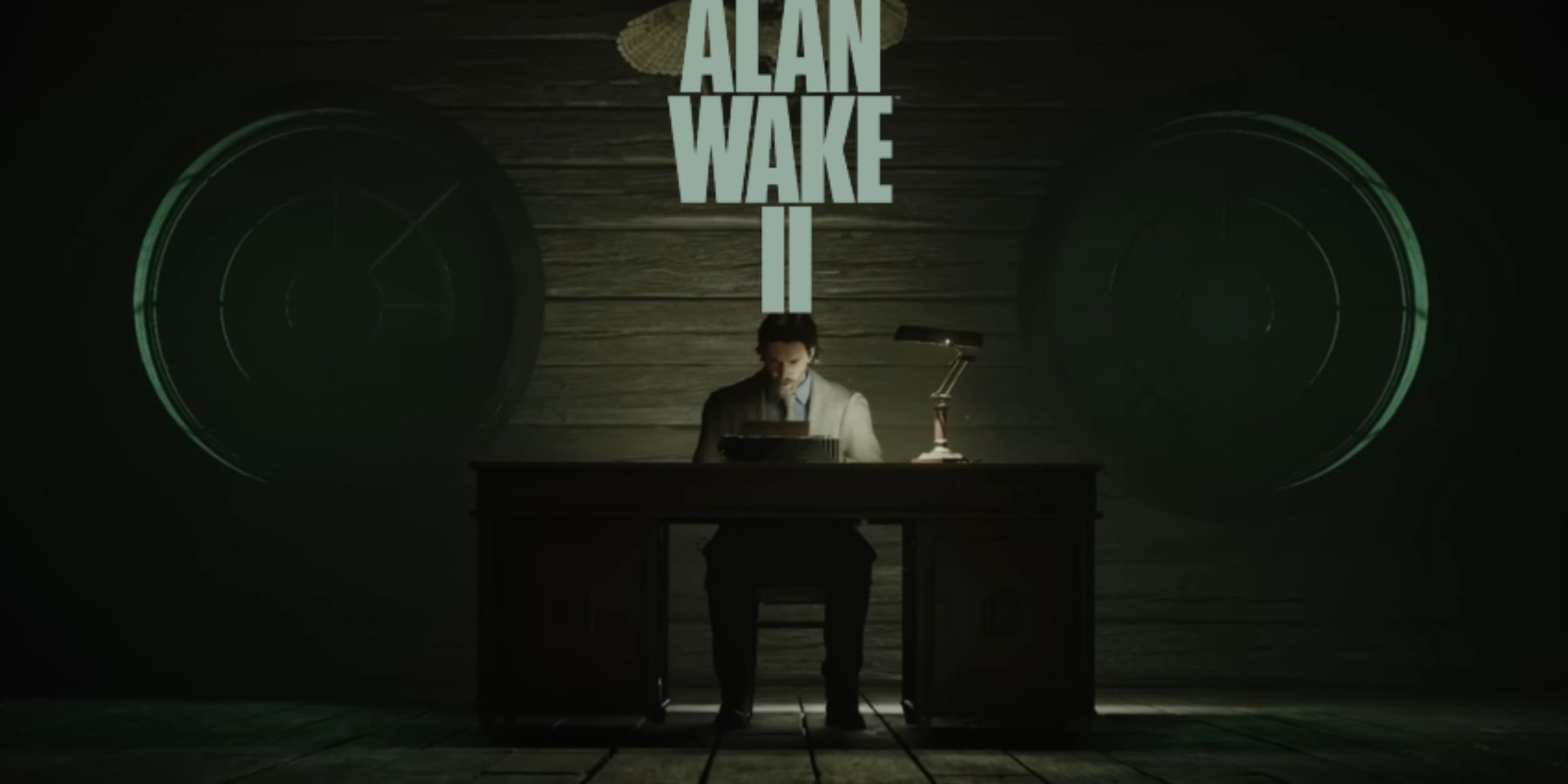
– Writer’s Room: Throughout the game, players will periodically gain access to Alan’s Writer’s Room, a reflective space where players can pause and interact with the evolving story. It acts as a narrative hub, giving Alan the opportunity to contemplate his experiences and challenges faced in the Dark Place.
– Plot Board: Within this room, players will find the Plot Board. This crucial tool allows Alan to review the narrative elements and word prompts that have been collected during the game—these can include fragments of his manuscript or other story-related components.
2. Collecting and Applying Plot Elements
– Finding Prompts: Exploration in the Dark Place reveals various word prompts and plot elements. These can be discovered on manuscript pages or tucked away in hidden areas, adding to the exploration value of the game.
– Changing the World: Once players return to the Writer’s Room, they can select these collected prompts on the Plot Board to alter the game’s environment or influence ongoing events. The chosen words can lead to immediate transformations in the game world, demonstrating the fluidity of narrative and reality.
3. Altering Level Design and Progression
– Overcoming Obstacles: Players may encounter barriers that hinder their progress. The Rewrite Reality mechanic allows them to find resolution by selecting appropriate plot elements that could clear a path or modify an environment. For example, specific words might reveal new routes or introduce different enemy dynamics.
– Multiple Possibilities: The richness of this mechanic lies in its variability. With numerous plot elements at players’ disposal, experimentation is vital. Trying out different combinations can yield various outcomes, unlocking enhanced story elements, new lore, or valuable items.
4. Rewriting Scenes and Unlocking New Areas
– Narrative Impact: The selections made at the Plot Board not only affect the immediate gameplay but can also alter significant scenes, allowing for fresh interpretations of earlier narratives or entirely new sequences.
– No Fixed Paths: The nonlinear storytelling encourages players to piece together events and decisions, reflecting Alan’s own struggles for control within an erratic narrative landscape.
Summary Table: Using the Rewrite Reality Mechanic
| Step | Action | Description |
|——|———————–|——————————————————-|
| 1 | Explore | Collect word prompts and plot elements during gameplay.|
| 2 | Return to Writer’s Room| Access the Writer’s Room to review and manipulate collected story elements.|
| 3 | Use Plot Board | Place prompts on the Plot Board to alter the game world or story events.|
| 4 | Observe Changes | The environment or narrative changes in real-time, unlocking new paths, items, or story beats.|
| 5 | Experiment | Try different combinations to uncover all possibilities and rewards.|
Additional Details
– Visual and Narrative Integration: The rewritten elements aren’t merely mechanical adjustments; they lead to visually striking and narratively profound changes—transforming settings or recontextualizing events provides a fresh experience every time.
– Rewards for Exploration: Players who dive deep into exploring narrative possibilities can unlock additional lore, items, and sometimes gain upgrades for their characters.
– Gameplay Diversity: This mechanic blends seamlessly with other aspects of gameplay, including the dual perspectives of Alan and Saga, each offering its own challenges and storytelling techniques.
By emphasizing creative problem-solving and deep interaction with the narrative, the Rewrite Reality mechanic in Alan Wake II significantly enhances the player experience, distinguishing it as a notable entry in the survival horror genre.


Leave a Reply