
In Assassin’s Creed Valhalla, mastering combat stances and weapon types is vital for overcoming challenges on your journey as Eivor, the Viking warrior. This guide delves into effective strategies for combat stances, weapon choices, and situational tactics to enhance your gameplay.
Combat Stances
Combat styles in Valhalla revolve around a fluid mix of offensive and defensive maneuvers rather than rigid stances. Here’s how to navigate them effectively:
1. Light and Heavy Attacks
– Light Attacks:
– Speed: Quick strikes that allow for rapid combos.
– Usage: Best suited for engaging multiple enemies, given their speed.
– Limitation: Unable to penetrate shields, making them less effective against fortified foes.
– Heavy Attacks:
– Power: High-damage strikes that can break through shields, particularly useful against armored enemies.
– Timing: Slower to execute, requiring careful timing to avoid counterattacks.
– Strategy: Utilize heavy attacks strategically to maximize damage during openings in combat.
2. Parrying and Blocking
– Parrying:
– Timing Windows: Execute a parry precisely as the enemy attacks to create a counterattack opportunity. Mastering parries can significantly amplify damage output during battles.
– Blocking:
– Damage Absorption: While blocking prevents damage, it does not create counterattack opportunities like parrying does. Understand when to block versatile move sets to maintain defense without sacrificing excess damage.
Weapon Types
Each weapon type in Valhalla carries distinct benefits and is suited for various combat scenarios:
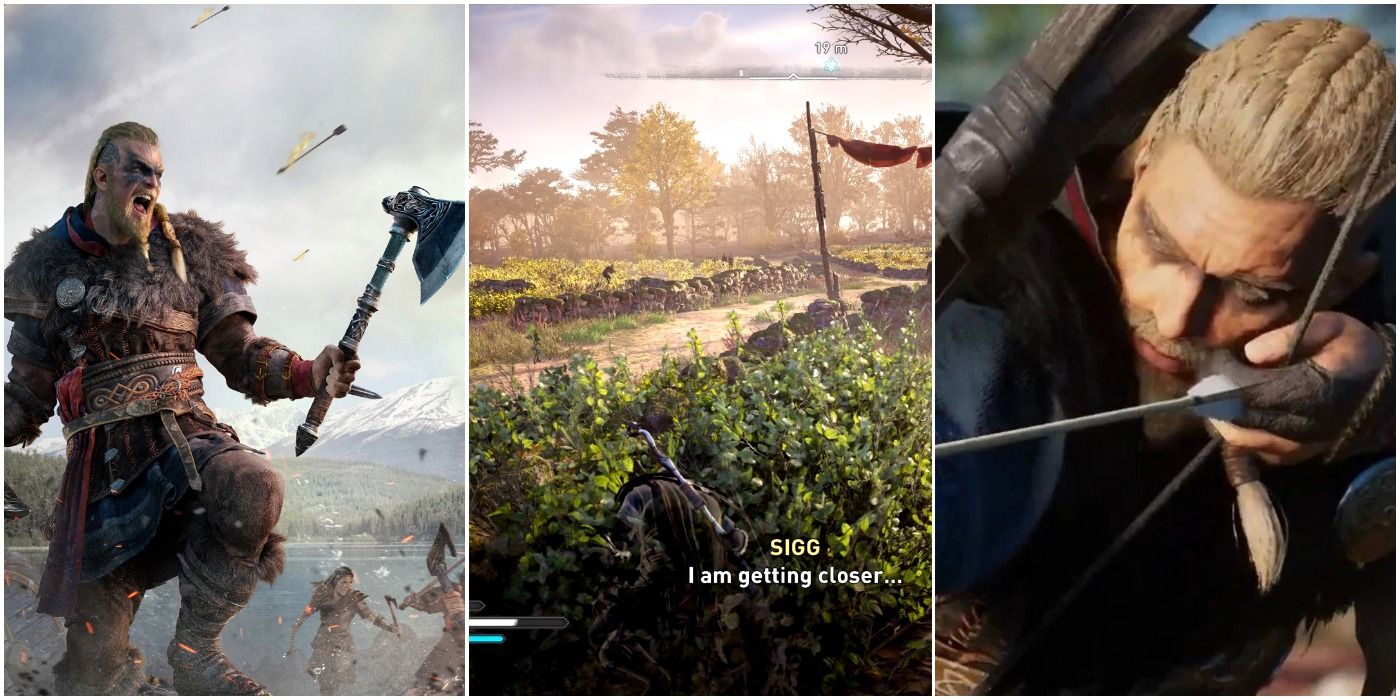
1. Great Axes
– Advantages: Deliver devastating damage, especially through strong heavy attacks, making them ideal against armored adversaries.
– Drawback: The slow speed requires careful timing and positioning to evade enemy strikes.
– Usage: Best for encounters where high damage output is crucial.
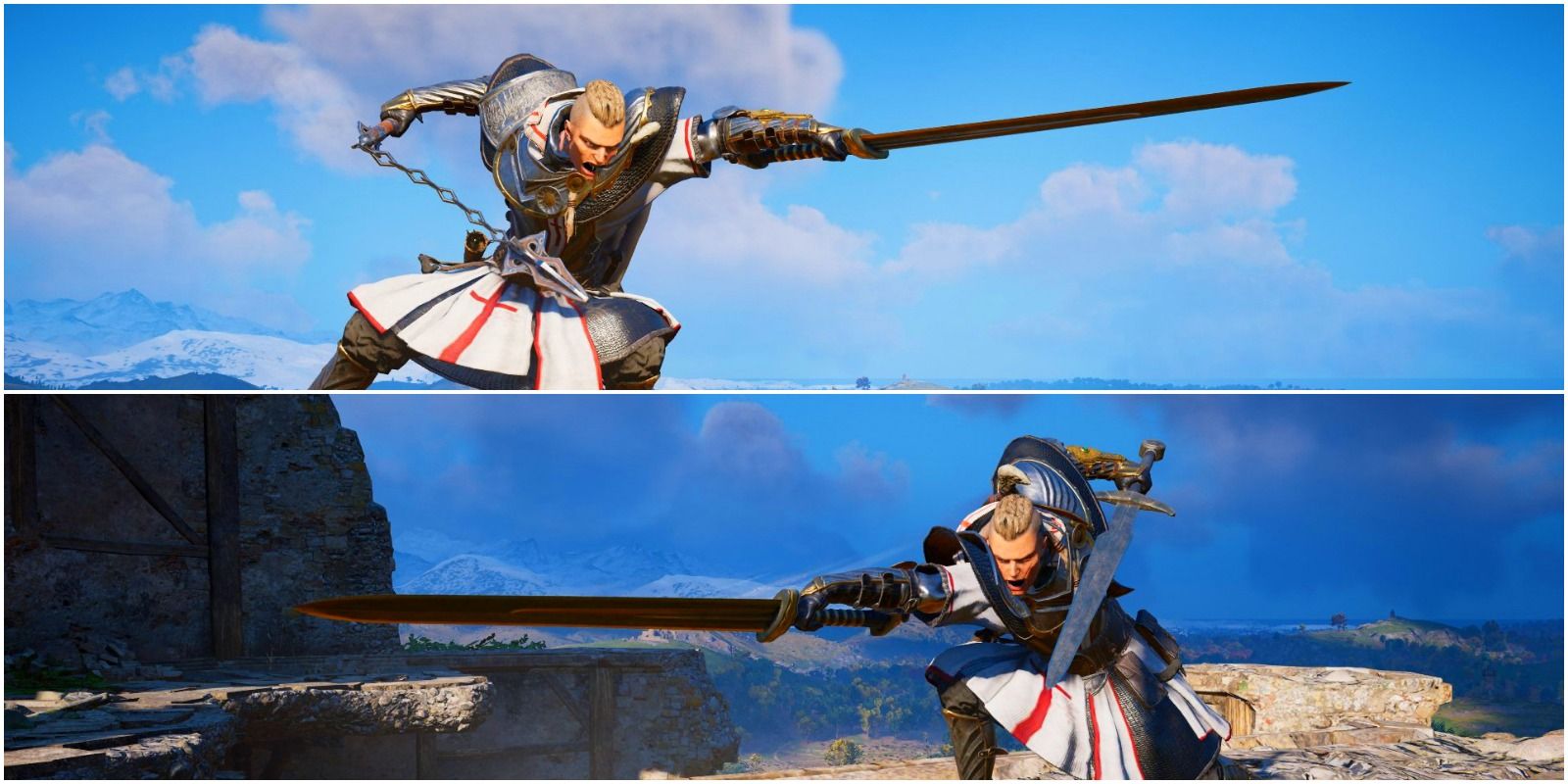
2. Swords
– Pros: Quick and versatile, suitable for seamless combos against multiple foes.
– Cons: Deal less damage compared to heavier weapons.
– Best For: Fast-paced situations where mobility and rapid attacks are key.
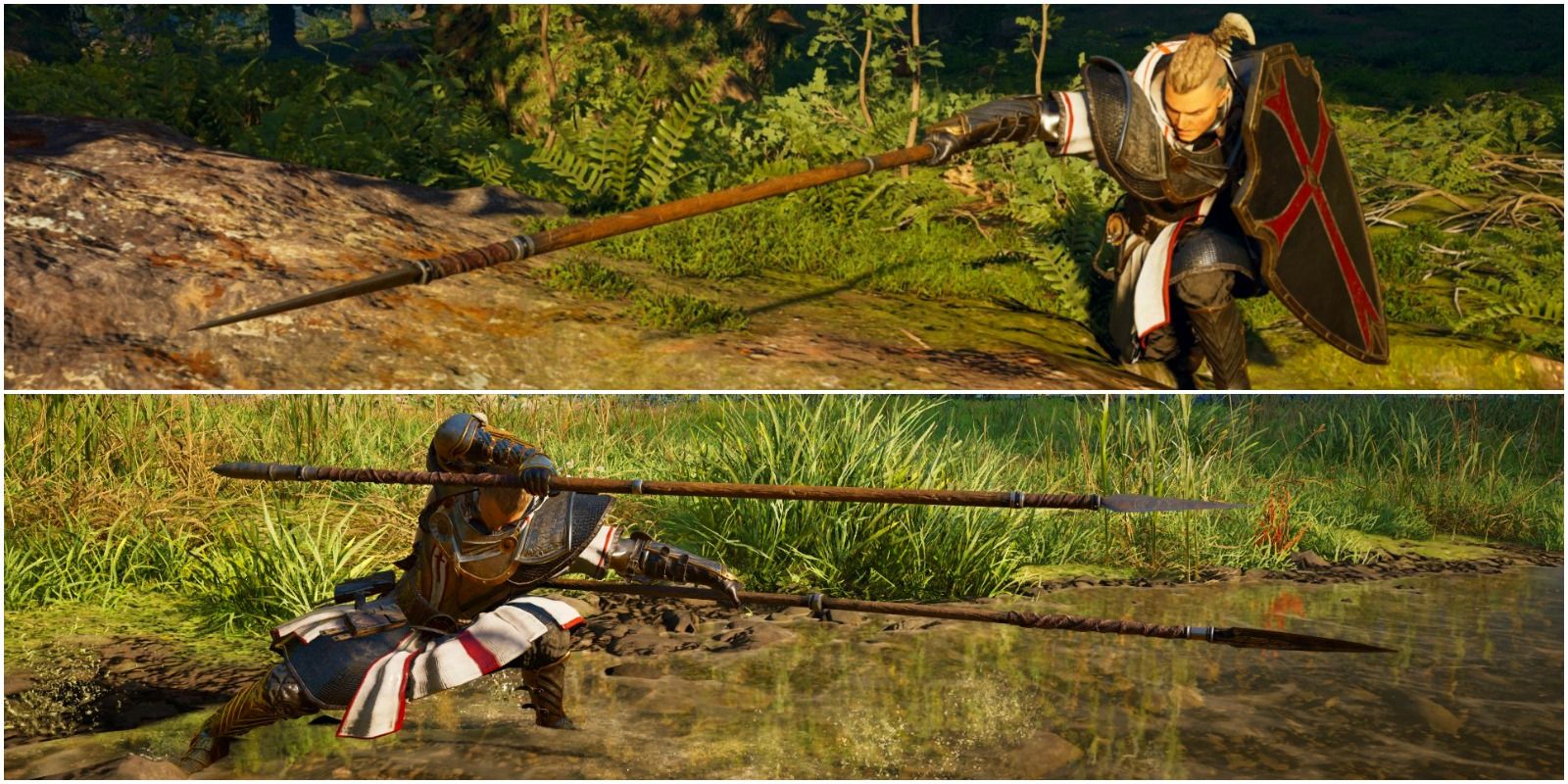
3. Spears
– Pros: Extended reach allows for quick thrusts and ranged attacks, giving you an edge at distance.
– Cons: Not as effective in tight, close-quarter battles.
– Best For: Engaging enemies from a safe distance or when requiring crowd control.
Tips for Different Situations
– Against Multiple Enemies:
– Opt for faster weapons like swords or dual-wielded light axes to execute swift combos.
– Incorporate dodges and well-timed parries to minimize damage taken.
– Against Armored Enemies:
– Utilize heavy attacks from great axes or two-handed swords to break through defenses.
– Aim for weak points when possible to maximize damage.
– Against Ranged Attackers:
– Engage with ranged weapons (like bows or throwing spears) to eliminate threats before closing in.
– Maintain mobility and dodge effectively to evade incoming projectiles.
Utilizing Dual-Wielding and Special Abilities
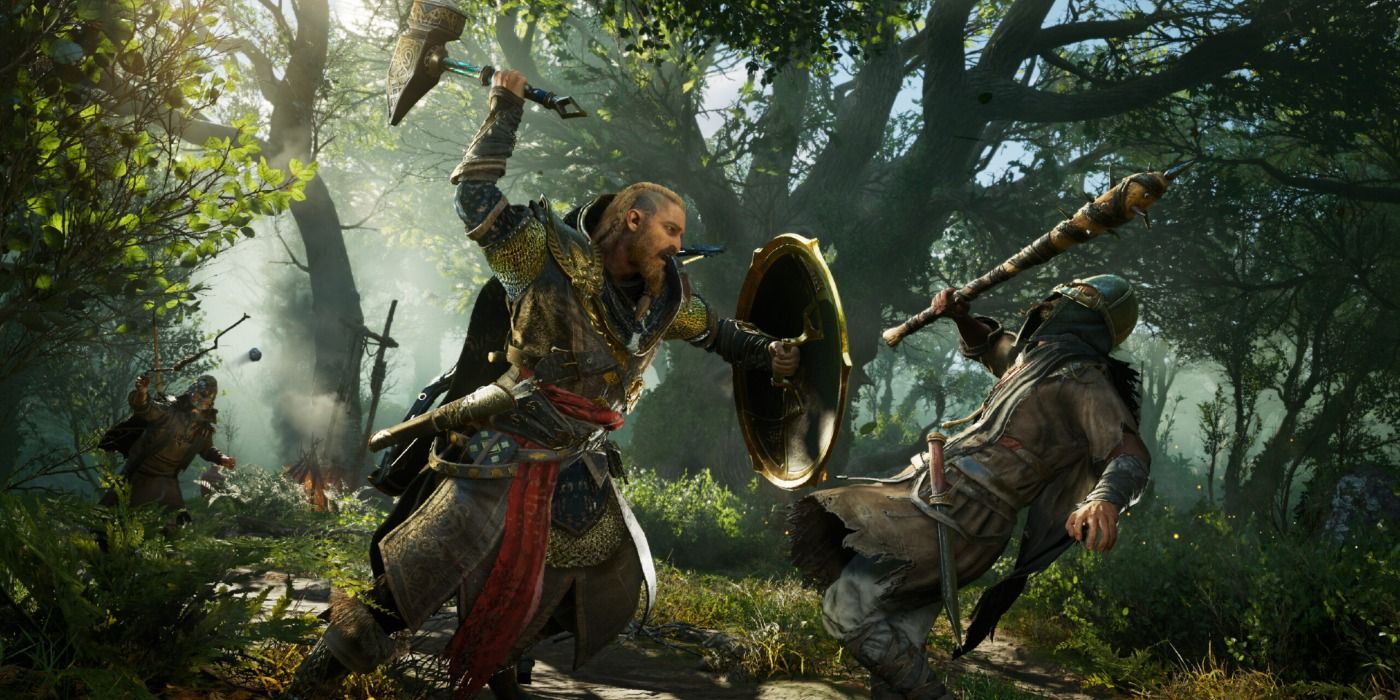
– Dual-Wielding:
– Engaging two weapons, such as the Bearded Axe, enhances left-hand damage output and can lead to quicker takedowns in tight encounters.
– Special Abilities:
– Certain weapons possess unique abilities that can cause substantial damage. Master these to gain an upper hand—e.g., the Sickle’s execute feature can eliminate enemies in an instant if perfectly executed.
By comprehensively mastering various combat stances and weapon types, along with adapting to situational contexts, you can thrive as a skilled and versatile warrior in Assassin’s Creed Valhalla. With the right strategy, every encounter can be turned in your favor, solidifying your legacy in the Viking saga.


Leave a Reply