
In “Black Myth: Wukong,” the dynamic and multifaceted nature of boss battles significantly enriches the gameplay experience. The design of these encounters incorporates deliberate phase changes that challenge players to adapt their approach and strategy as they progress. Below is a detailed examination of how these phases are structured and how players can effectively respond.
Phase Changes Overview
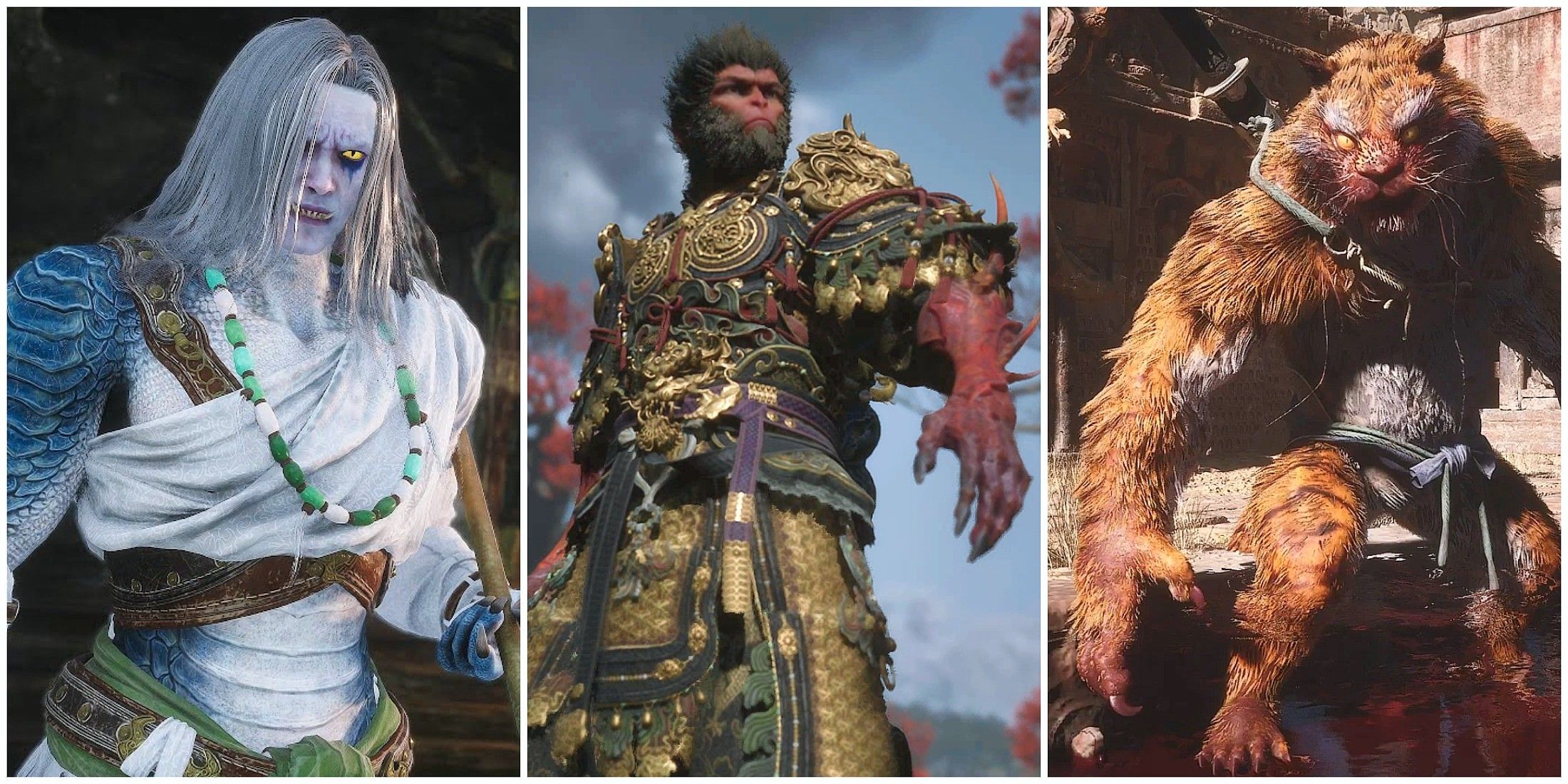
1. Health Bar Depletion: As a boss runs low on health, it initiates a transition into its next phase, often marked by a visual and thematic transformation. For instance, the Whiteclad Noble exemplifies this transition, morphing from a humanoid form into a snake-like creature, which not only alters its appearance but also its attack patterns and vulnerabilities. Such transformations require players to reassess their strategies immediately as they face a new set of challenges.
2. Attack Pattern Changes: Each phase not only heightens the stakes but also introduces novel attack patterns. A prime example is the Black Bear Guai, whose aggression amplifies in the second phase, utilizing jumping attacks and multi-directional tornadoes. This escalation forces players to be vigilant and adaptive, learning to recognize and counter new offensive maneuvers.
3. Mechanics and Abilities: Bosses often gain formidable abilities as they transition into later phases. The Keeper of Flaming Mountains & Yin-Yang Fish showcases this with a dramatic transformation into a large fish, fundamentally altering the mechanics of the battle. Such shifts may include changes in attack range, elemental effects, or unique behaviors, necessitating a different tactical approach from players.
4. Enhanced Difficulty: The challenge intensifies as bosses enter later phases; they may move faster, deal increased damage, or require more precise timing to avoid powerful attacks. The fight with the Hundred-Eyed Daoist Master exemplifies this change, with his later abilities growing more intricate and demanding of the player’s skills. Adaptation, quick reflexes, and careful observation are critical in navigating these phases.
5. Visual and Transformative Changes: Dramatic visuals accompany many transformations, providing not only an aesthetic upgrade but also a functional one. An instance of this is seen in the Red Boy & Yaksha King fight, where Red Boy’s metamorphosis into the Yaksha King shifts the dynamics entirely. These transformations can introduce new elemental abilities that change the nature of the fight, requiring a comprehensive understanding of the boss’s new form for effective counterplay.
Strategies to Adapt to Phase Changes
– Conservation of Mana and Resources: Players should prioritize the strategic use of spells and abilities, reserving powerful attacks for critical phases or moments of opportunity to leverage their effects effectively.
– Adaptation to New Attack Patterns: Recognizing and swiftly adapting to a boss’s evolving attack patterns are essential. Continuous observation will enable players to anticipate and respond to an onslaught of new moves.
– Utilizing Transformations: Certain transformation spells can be pivotal during intense fights, enhancing player abilities or providing brief invulnerability. Maximizing these transformations at key moments can turn the tide of battle.
– Continuous Dodging and Mobility: Maintaining high mobility is paramount, especially as bosses become increasingly aggressive. Evasive maneuvers and timely dodging can make the difference between life and defeat in heightened phases.
Conclusion
The implementation of phase changes in boss encounters within “Black Myth: Wukong” not only elevates the level of challenge but also enriches the overall gameplay experience. By integrating new mechanics, escalating difficulty, and requiring adaptive strategies, these battles exemplify a blend of tactical engagement and player skill development. Understanding these phase transitions empowers players to navigate and conquer even the most challenging bosses with confidence.



Leave a Reply