
Certainly! Let’s explore in detail how to survive large-scale combat encounters in a tabletop game like Dungeons & Dragons, while keeping the ambiguities of the “Cabernet – 9” mention in mind as a separate topic.
Surviving Large-Scale Combat Encounters
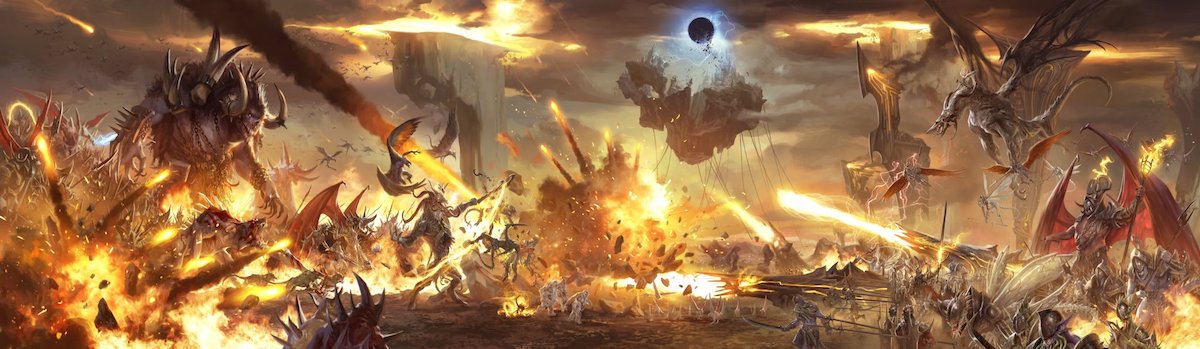
Combat in tabletop role-playing games (RPGs) can be thrilling but also overwhelming, especially in large-scale encounters. Success relies on understanding your environment, the creatures you face, and employing effective strategies. Here’s a structured approach to maximize your survival:
Understanding the Elements of Combat
1. Monsters (Foes):
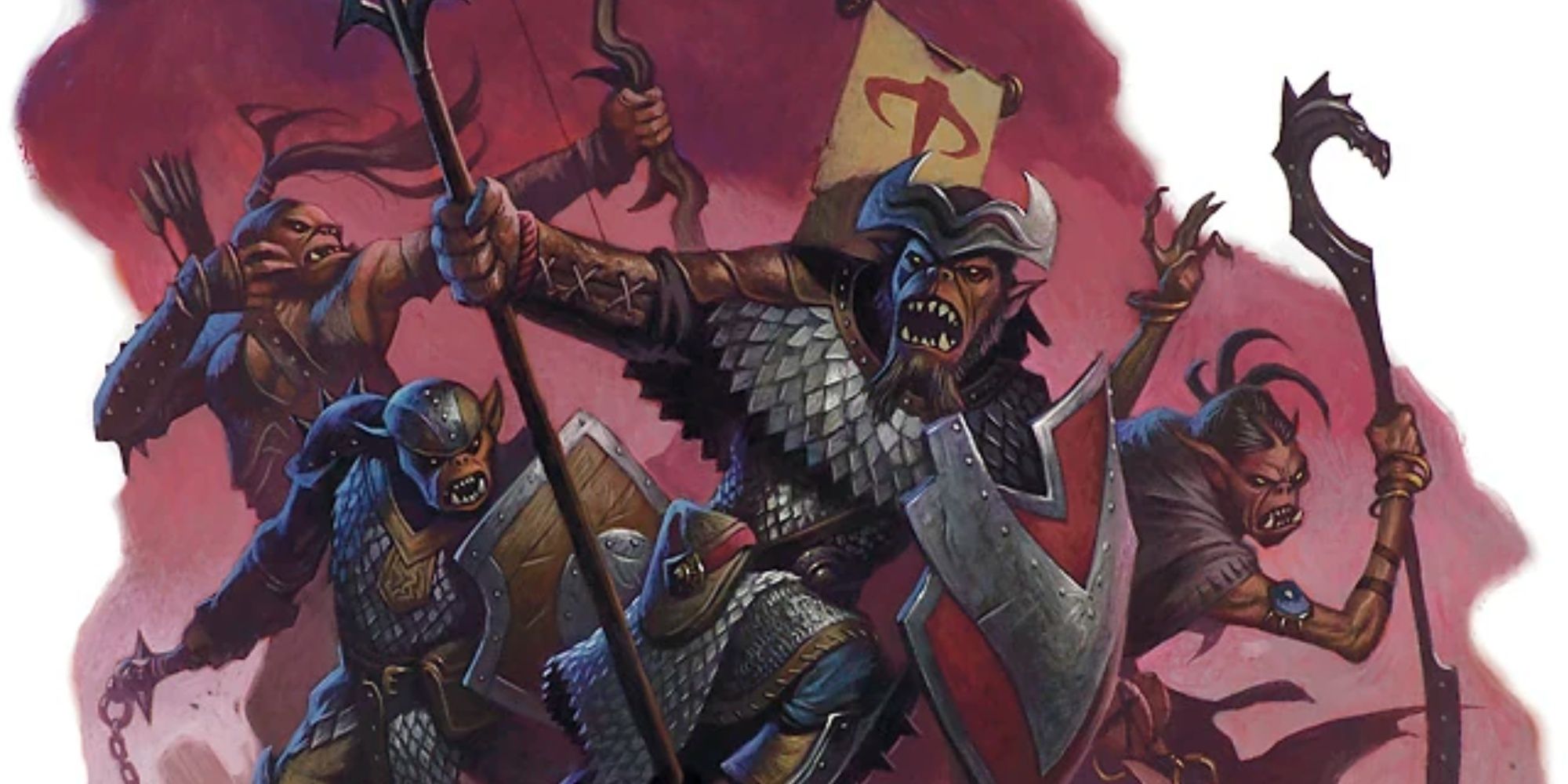
– Diversity: Ensure a rich mix of creatures—melee fighters, ranged attackers, and magic users. This variety creates dynamic challenges and requires players to strategize effectively.
– Intelligent Behavior: Equip monsters with unique abilities or tactical intelligence. They might exploit weaknesses or coordinate attacks for enhanced difficulty.
2. Environment:
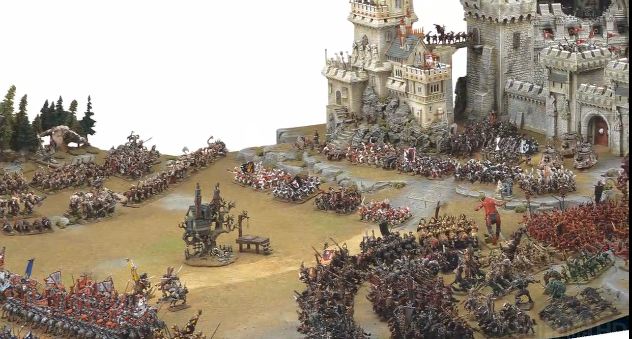
– Terrain: Use the battlefield to your advantage. Features like cliffs, rivers, and rocky outcrops can affect movement, provide cover, and create choke points.
– Weather/Conditions: Adverse weather like rain or fog can impair visibility and affect combat strategies, making environmental elements crucial to encounter design.
3. Context (Story and Setup):
– Setting the Stage: The narrative context influences player engagement. Presenting ambushes, traps, or specific objectives (like defending a location) can create urgency and depth.
Strategies for Survival
1. Control Terrain:
– Utilize Obstructions: Positioning near walls or behind cover can greatly increase survivability. Chokepoints can limit enemy movements, allowing for strategic positioning.
– Use Props: Use physical props in the game space, such as furniture or terrain models, to simulate obstacles and areas of cover that players can tactically use.
2. Manage Threats:
– Identify Key Targets: Recognize which foes pose the greatest threat—often the ranged attackers or spellcasters. Focus fire to eliminate these threats quickly.
– Shield Walls and Formations: Encourage melee characters to form a protective line. This formation can absorb damage while ranged or spellcasters deal damage from behind.
3. Employ Ranged and Magic:
– Range Advantage: Position ranged attackers to engage foes before they close in. Use spellcasters for crowd control and area effects to weaken or incapacitate groups of enemies.
– Buffs and Debuffs: Spells that enhance allies or hinder enemies can change the tide of battle. Always consider how spells can maximize combat effectiveness, both offensively and defensively.
4. Adaptability:
– Dynamic Tactics: Encourage players to remain flexible. If initial strategies fail or circumstances shift (like reinforcements arriving), adjustments are crucial.
– React to Opponent’s Moves: Players should assess enemy strategies and adapt their tactics in real-time to counterbalance threats.
5. Rest and Recovery:
– Resource Management: Ensure characters have the opportunity to heal and recover resources. Short rests or strategically timed long rests can be vital for maintaining combat readiness.
– Healing Options: Consider portable healing items or spells that can be used strategically, ensuring players can recover quickly after skirmishes.
Additional Tips
– Scouting: Always scout the terrain and enemy positions prior to engagement. Scouts can provide vital intel that can influence the tactical approach.
– Communication: Encourage significant communication among players to orchestrate plans, coordinate attacks, and defend against enemy moves.
– Experience and Learning: Each encounter is an opportunity for players to learn. Encourage them to reflect on past battles to improve decision-making and strategy for future combat.
By employing these strategies and understanding the inherent dynamics of large-scale combat, players can enhance their chances of survival and create a more engaging gaming experience. If the topic of “Cabernet – 9” pertains to a specific scenario or context related to gameplay or storytelling, please provide further details for a tailored response!


Leave a Reply