
The morality system in Cabernet is pivotal for not only shaping the narrative experience but also for deeply immersing players in the ethical dilemmas faced by the protagonist, Liza. This dualistic framework of Humanity and Nihilism heightens the stakes of decision-making, as each choice carries weight and influence over the game’s trajectory.
Understanding Humanity and Nihilism
1. Humanity: This score embodies choices marked by kindness, empathy, and a desire for moral good. Actions that keep Liza connected to her humane ideals lead to gains in humanity points. For instance, aiding distressed characters, prioritizing emotional connections, or demonstrating compassion during pivotal moments in dialogues or quests not only enrich Liza’s relationships but also unlock specific narrative pathways and altruistic dialogue options, encouraging a more collaborative gameplay experience.
2. Nihilism: In contrast, this score thrives on actions that display self-interest, detachment, or cruelty. Engaging in nihilistic behavior—such as manipulation, betrayal, or seeking personal gain at the expense of others—will increase this score. Embracing nihilism allows players to explore darker dialogues and outcomes, which can shift Liza’s role within the vampire world to a more self-serving entity. This score promotes a cutthroat approach to the game’s various interactions, often leading to impulsive decisions with far-reaching consequences.
How the Morality System Influences Endings
The culmination of Liza’s journey in Cabernet is intrinsically tied to the balance of her Humanity and Nihilism scores. The path chosen forms distinct narrative outcomes, each resonating with the underlying themes of morality and identity.
1. Narrative Branching: The progression of Liza’s story will vary significantly based on her moral leaning. Instances of nurturing her humanity might unveil endings where she successfully integrates her vampiric essence with her medical past, possibly leading to healing and redemption arcs. Inversely, embracing nihilism could spiral Liza into darker fates, characterized by solitude and violent instincts, showcasing the tragic consequences of forsaking her humanity.
2. Character Relationships: The nature of relationships Liza fosters is directly affected by her moral compass. A commitment to humanity can cultivate substantial bonds with various characters who respond positively to Liza’s compassion. Conversely, aligning with nihilism could fracture these connections, inciting conflict within her social landscape as she grows increasingly self-absorbed. The emotional investments you make not only color the story but also dictate the levels of support or opposition Liza encounters.
3. Vampiric Evolution: Liza’s development as a vampire serves as a narrative reflection of her moral choices. A high humanity score might lead to engagements focused on coexistence and harmony with humanity, searching for ways to transcend her limitations. If the nihilistic path is chosen, Liza’s evolution could lead to a more predatory existence, marking her descent into the darker facets of vampire society, often at the expense of her former ideals.
Game Mechanics Enhancing the Morality System
The implementation of the morality system in Cabernet is not merely aesthetic; it is integral to gameplay mechanics as well:
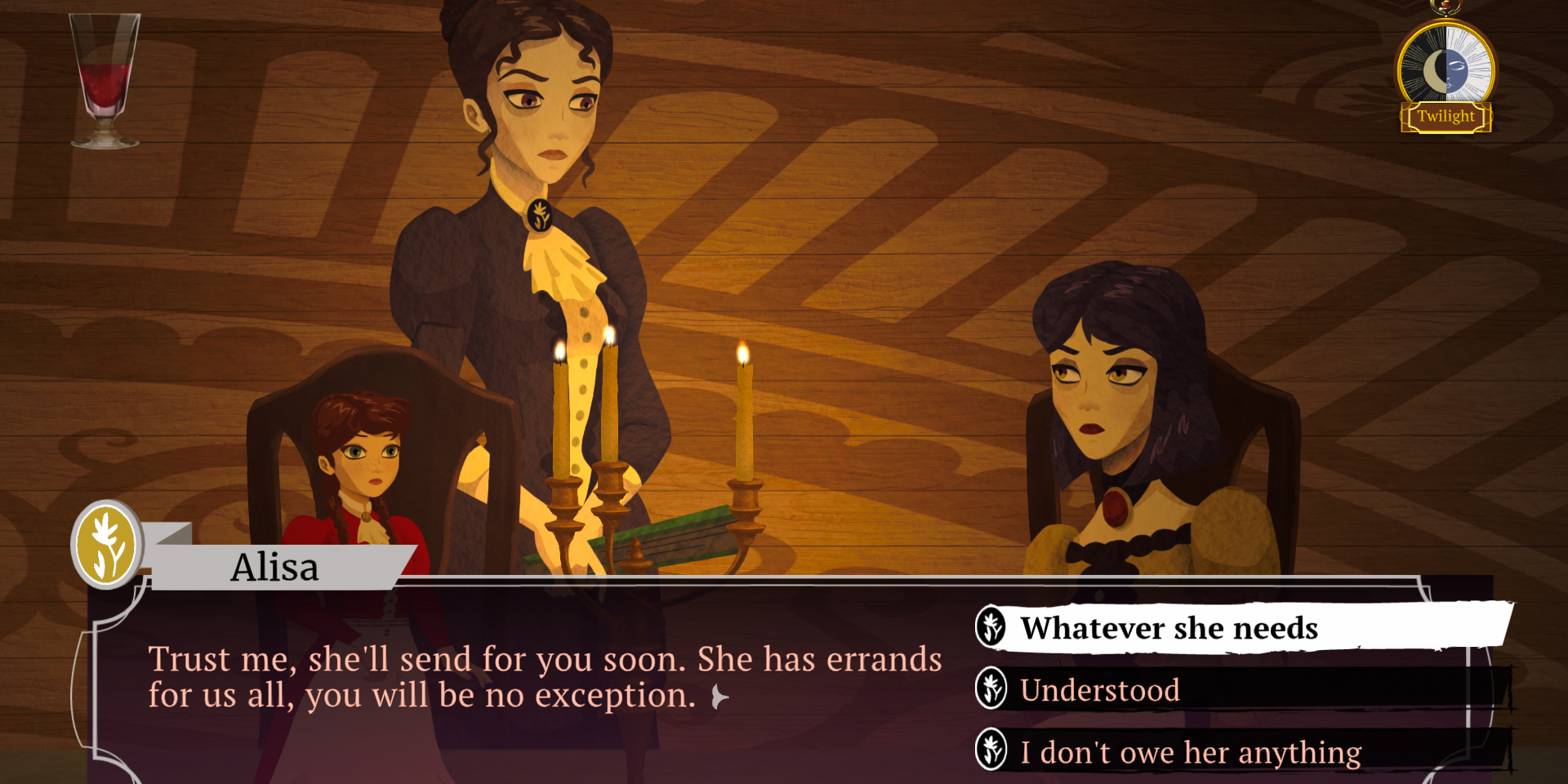
– Skill Checks: Liza’s proficiency in various academic skills (e.g., art, science, literature) significantly impacts her interactions with the world. Higher proficiency opens up unique dialogue options, enabling players to navigate situations that align with their moral decisions more skillfully, thereby influencing the game’s outcomes.
– Time Management: The pressing limitation of time each night compels players to be strategic about their choices. Players must prioritize actions that either advance humanity—through compassionate interactions—or indulge in nihilistic pursuits—such as partaking in predatory behavior. This management aspect adds a layer of urgency and depth to your moral decisions.
Conclusion
Overall, Cabernet’s morality system intricately weaves together the player’s choices with rich storytelling, allowing for a deep exploration of the themes of identity, morality, and power in a gothic narrative landscape. The divergent endings serve to highlight the consequences of each path, ensuring that each playthrough is tailored and resonant with the decisions made, making the moral journey as significant as the narrative itself.



Leave a Reply