
Citizen Sleeper 2: Starward Vector – Impact of Choices on Story Progression and Endings
Citizen Sleeper 2: Starward Vector employs a sophisticated framework that combines dice-driven mechanics, skill checks, and dynamic crew relationships to create a rich narrative experience where player choices significantly influence story progression and endings. Below is a breakdown of how various systems interact to shape outcomes in the game.
—
1. Class and Skill-Check System
At the start of Citizen Sleeper 2, players select a class: Machinist, Operator, or Extractor. This choice not only sets the tone for their gameplay experience but also establishes baseline stats in key areas such as Engineer, Interface, Endure, Intuit, and Engage.
– Example: In scenarios like rescuing NPCs, a Machinist can leverage high Engineer and Interface skills to manipulate environmental factors creatively, while an Extractor might engage threats directly due to their strong Endure and Engage ratings.
– Impact on Outcomes: Skill checks influence narrative outcomes directly. Successful skill checks can mitigate stress or damage, while failures may result in locked story paths or escalated conflicts, compelling players to think strategically about which class to choose and how to approach challenges.
—
2. Branching Storylines
The game’s narrative is shaped through key player decisions that create forks in the story with considerable consequences.
– Crew Recruitment: The choice of allies impacts the player’s experience by providing passive bonuses and unique dialogue options, altering how missions unfold.
– Contract Choices: Opting for high-stakes jobs, such as smuggling, might lead to new resource opportunities but also introduce potential faction conflicts.
– Moral Dilemmas: Decisions to betray characters or resolve conflicts amicably have cascading effects that reverberate through the narrative, affecting future interactions and plot developments.
—
3. Dice Mechanics and Risk Management
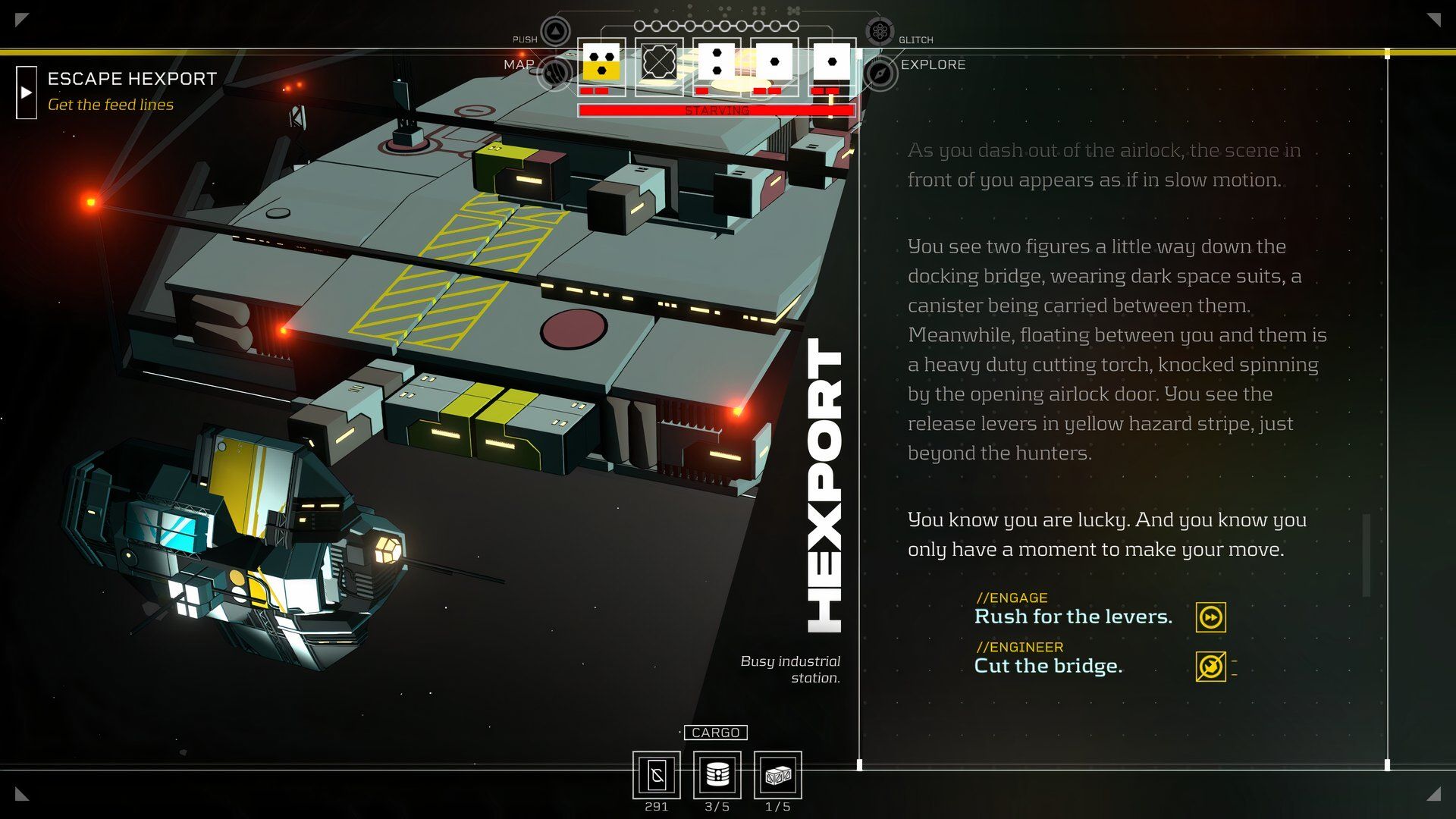
The game’s cycle system employs dice rolls tied to player stats that enhance or hinder outcomes.
– Low-Skill Dice (1-2 dots): While these conserve energy, they carry a higher risk of failure, especially in critical situations.
– High-Skill Dice (3+ dots): Although these improve the odds of success significantly, they consume resources at a faster rate.
– Consequences of Rolls: Poor rolls can lead to critical setbacks, such as locking abilities until repaired, accumulating stress, which in turn can affect the efficacy of future dice rolls, thereby adding an element of risk and strategy to gameplay.
—
4. Ending Determinants
The game features multiple endings influenced by a range of factors, creating diverse narrative outcomes based on player choices.
– Crew Loyalty: The strength of relationships with allies can decide whether they support the player during climactic moments or choose to abandon them.
– Faction Reputation: The player’s alignment with various groups—such as corporations or rebel factions—determines which exclusive scenarios can be unlocked in the endgame.
– Resource Stockpiles: The accumulation of resources, funds, and upgrades for the player’s ship can open up various escape routes or paths to self-sufficiency, further diversifying possible conclusions.
—
5. Replayability and Non-Linearity
Citizen Sleeper 2 stands out for its lack of definitive “right” or “wrong” choices, allowing for a more nuanced and immersive role-playing experience.
– Class Specialization: Different classes, such as Operators with high Intuit and Interface, gain access to secretive routes that other classes cannot, promoting varied playthroughs based on character choice.
– Early-Game Decisions: Seemingly minor interactions (like assisting a vendor) may evolve into significant plot points later in the game, enhancing the game’s replay value and encouraging exploration of different choices.
—
Through its innovative blend of procedural storytelling and tabletop-inspired mechanics, Citizen Sleeper 2: Starward Vector delivers a narrative experience where outcomes feel both organic and responsive to player strategy and chance. The interplay of character class, decision-making, and dynamic mechanics ensures that every player’s journey is unique and personally tailored, making every playthrough a fresh adventure.


Leave a Reply