
In Citizen Sleeper 2: Starward Vector, effectively managing low dice rolls is essential due to their significant impact on your character’s progress and overall gameplay experience. Here’s a detailed breakdown of strategies that you can employ to maximize your outcomes even when faced with low rolls.
Understanding Dice Rolls and Their Risks
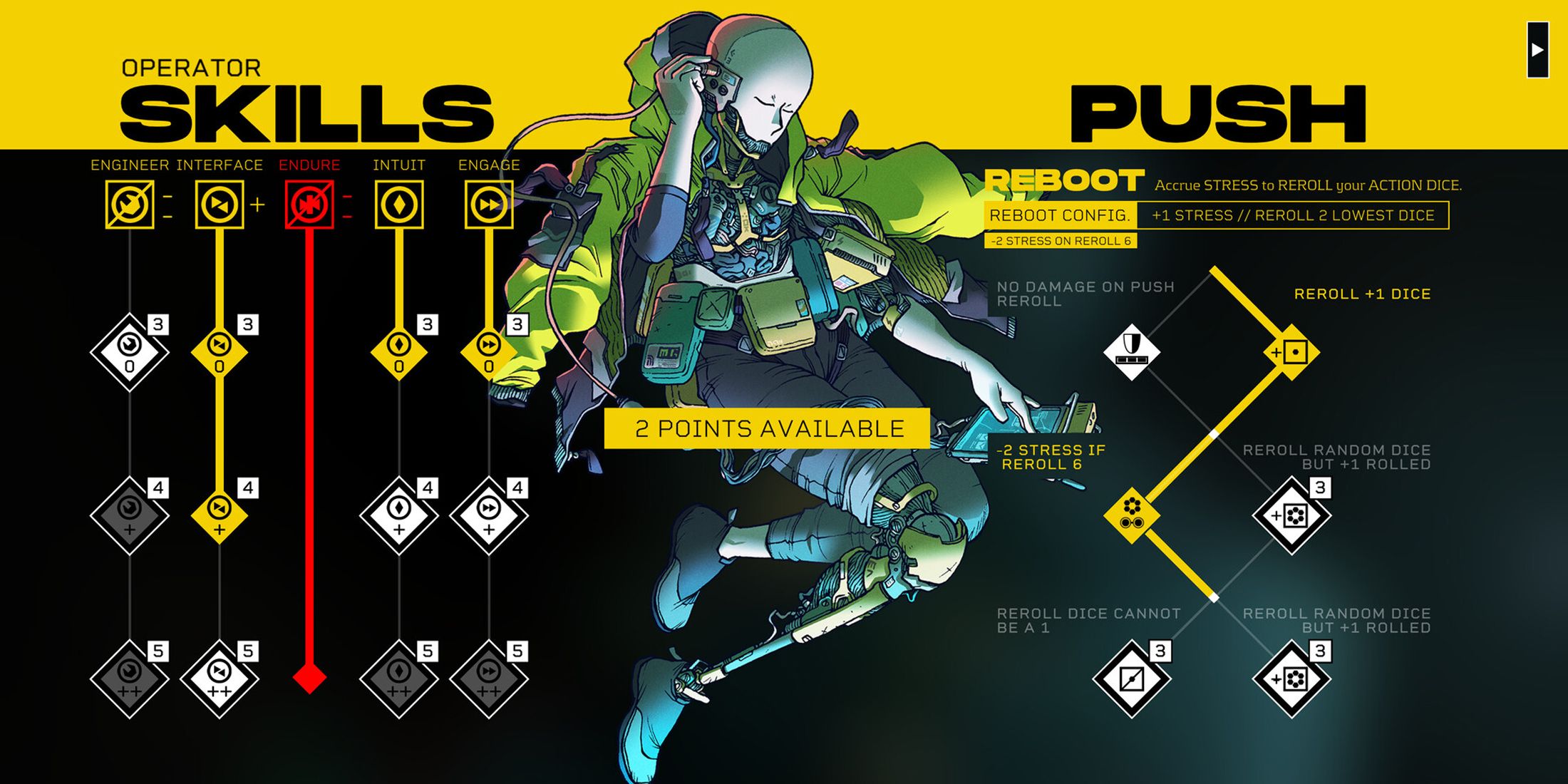
Each game cycle provides you with five pre-rolled dice (ranging from 1 to 6) for various tasks. These tasks are categorized as either Risky or Dangerous, each presenting a different level of punishment for unsuccessful rolls. Risky tasks tend to yield milder penalties, while Dangerous tasks can lead to severe consequences, including increased stress or loss of resources. Managing these outcomes effectively is crucial.
Strategies for Handling Low Rolls
1. Use Low Rolls on Risky Tasks, Avoid Dangerous Ones
– Assign low-value dice to Risky tasks, as this strategy significantly mitigates the potential penalties from adverse outcomes. By doing so, you limit the damage incurred from negative results compared to what might happen if you assign them to Dangerous tasks.
2. Manage Your Dice Supply Smartly
– Dice replenishment occurs when you advance the cycle at your rig, an action that not only consumes time but may also trigger events. Assess the urgency of your tasks to determine whether to push forward with low rolls or to recycle for better ones. Remember, timely progress can sometimes be more beneficial than waiting for ideal circumstances.
3. Embrace the Risk-Reward Aspect
– Acknowledge that low rolls might still enable task completion, even if penalties are involved. Accepting the outcome of low rolls can be a part of a broader strategy, enabling you to maintain a steady pace without unnecessarily stalling progress in pursuit of perfection.
4. Consider Task Priorities and Adjust Accordingly
– Evaluate the critical nature of each task. If a low dice roll pertains to a vital task, consider whether to risk it or wait for a better roll. Conversely, utilize low rolls on less essential tasks, conserving high-value dice for tasks that carry more weight in your game’s progress.
5. Mitigate Stress and Resource Loss
– Be vigilant about accumulating stress from negative outcomes. Use low rolls judiciously to limit stress buildup and utilize available resources or mechanics to alleviate stress when possible. This proactive approach helps maintain your character’s well-being and efficiency in the game.
Summary Table
| Strategy | Details |
|——————————–|———————————————————————–|
| Assign low dice to Risky tasks | Minimizes penalties, as opposed to Dangerous tasks |
| Advance cycles wisely | Replenishes dice but at the cost of time; avoid excessive recycling |
| Accept imperfect outcomes | Allows for progress without needing ideal rolls, manage calculated risks |
| Prioritize task importance | Save higher value dice for critical tasks while using low rolls for minor ones |
| Manage stress and resources | Prevent buildup of stress through careful allocation of dice |
By employing these strategies, you can effectively navigate the uncertainties that come with low dice rolls in Citizen Sleeper 2: Starward Vector. This proactive management will ensure that your character continues to advance, even when luck does not favor you.[1][3][4]
Leave a Reply