
Navigating the intricate gameplay of Citizen Sleeper 2: Starward Vector requires a keen understanding of time-sensitive quests and limited opportunities. Below is a structured guide that overviews essential strategies for managing time and resources, optimizing dice usage, and strategically approaching quests.
1. Understanding Time Management
Resource and Time Efficiency
– Action Costs: Every action you undertake consumes both time and resources. Prioritize efficiency by planning your daily schedule carefully—consider the most impactful tasks to complete within your available hours.
– Dice Roll Strategy: Use your dice rolls to maximize outcomes, enabling you to extend your day or augment the results of your actions. Proper planning can result in significant benefits from even modest resources.
Daily Tasks vs. Quests
– Task Evaluation: Balance daily tasks against quest participation. Daily tasks often yield reliable earnings with minimal risks, whereas quests may provide greater rewards but come with increased resource expenditure and potential dangers.
– Strategic Decisions: Consider the long-term impact of quests versus the more stable returns of daily tasks to inform your decisions on how to allocate time effectively.
2. Managing Dice Rolls
Dice Utilization
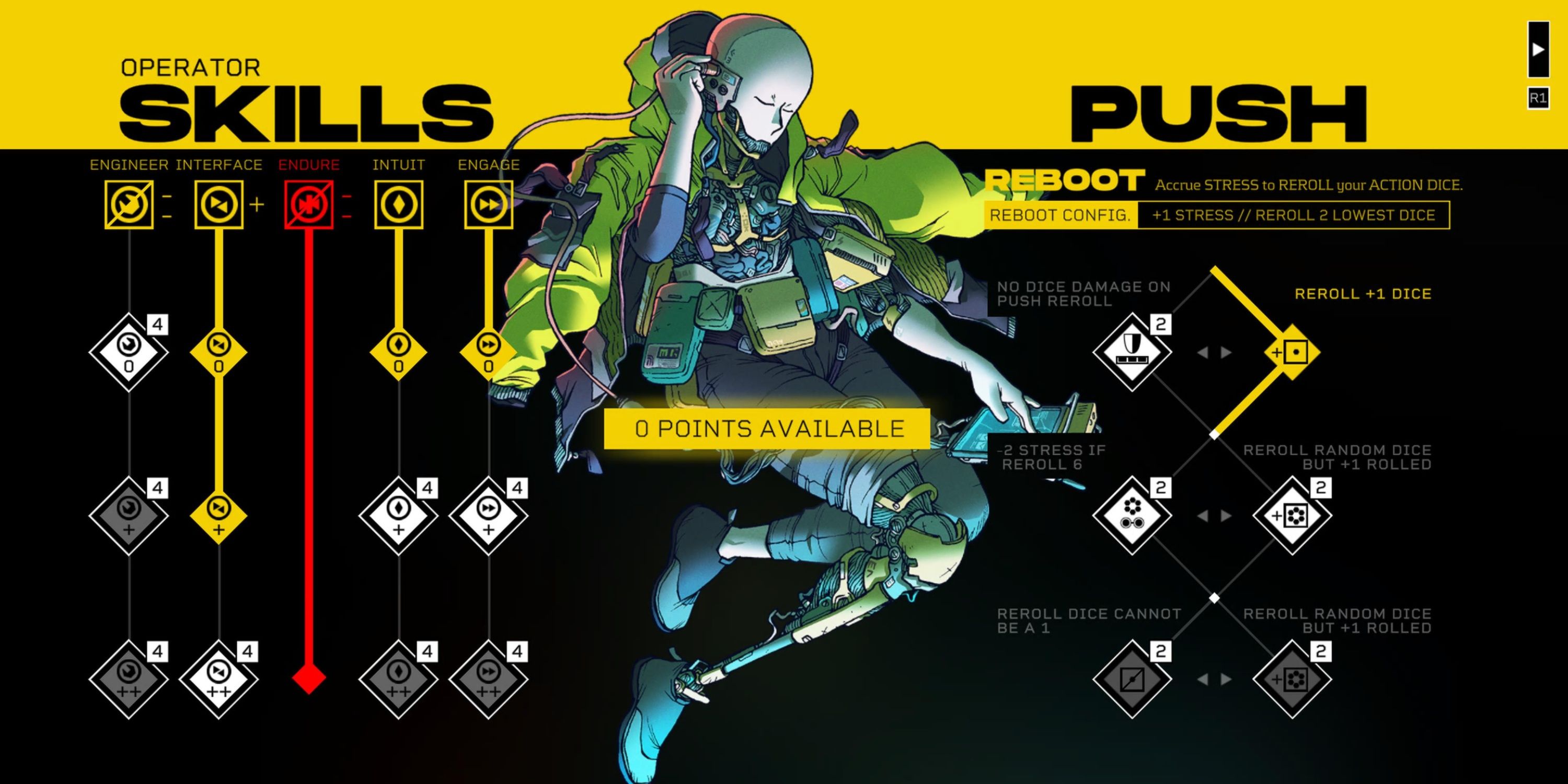
– Risk Assessment: Familiarize yourself with the usefulness of your dice. Lower-numbered dice can be critical, albeit less reliable, in specific scenarios. The choice between using a low roll versus conserving it for later must be based on immediate needs.
– Ending Your Day: Determine whether it’s more beneficial to conclude your day early with a lower risk or to push yourself with a low roll for possible higher gains, depending on your current needs.
Risk Management
– Higher Rolls for Critical Actions: Save your higher-numbered dice for pivotal moments where success is essential. This tactical choice can be the difference between progressing effectively and facing setbacks.
– Evaluating Situations: Each task should be assessed based on the associated risks and potential rewards, guiding you in resource allocation and gameplay decisions.
3. Approaching Quests Strategically
Quest Costs and Rewards
– Cost-Benefit Analysis: Before initiating a quest, thoroughly analyze all associated costs, including necessary materials and transportation. Weigh these against the potential rewards to determine if the quest aligns with your goals.
Optional Quest Elements
– Risk vs. Reward: Optional quest components can enhance returns, but they may introduce additional risks. Carefully evaluate whether the added complexity aligns with your current status and strategic objectives.
4. Crew and Ship Management
Building Relationships
– Crew Dynamics: Invest in relationships with your crew, as fostering these connections can yield benefits like enhanced morale or new skills. This often leads to better outcomes in critical situations and improved resource management.
Ship Upgrades
– Enhancing Capabilities: Upgrading your ship is essential. Increased storage and improved travel efficiency enable you to manage resources more effectively during urgent quests and ventures.
5. Balancing Threats and Opportunities
Managing Threats
– Survival Risks: Stay vigilant regarding threats such as corporate and factional adversities. Planning your actions with an awareness of these dangers can help mitigate risks and maintain progress.
Identifying Opportunities
– Prioritization: Monitor for limited-time opportunities that could significantly impact your game experience. Make these a priority, ensuring you capitalize on advantageous scenarios when they arise.
Conclusion
By blending these strategies, players can proficiently tackle the challenges posed by time-sensitive quests and limited opportunities in Citizen Sleeper 2: Starward Vector. The key lies in effective time and resource management, strategic use of dice, and a thoughtful approach to quests and relationships. With these principles, players can enhance their gameplay experience and advance their objectives more efficiently.

Leave a Reply