
In Civilization VII, managing trade routes is a critical aspect of expanding your empire and enhancing its prosperity. Balancing internal and international trade is essential for maximizing your civilization’s growth, diplomacy, and overall success. Here’s a detailed approach to effectively navigating these trade decisions:
Understanding Trade Basics in Civilization VII
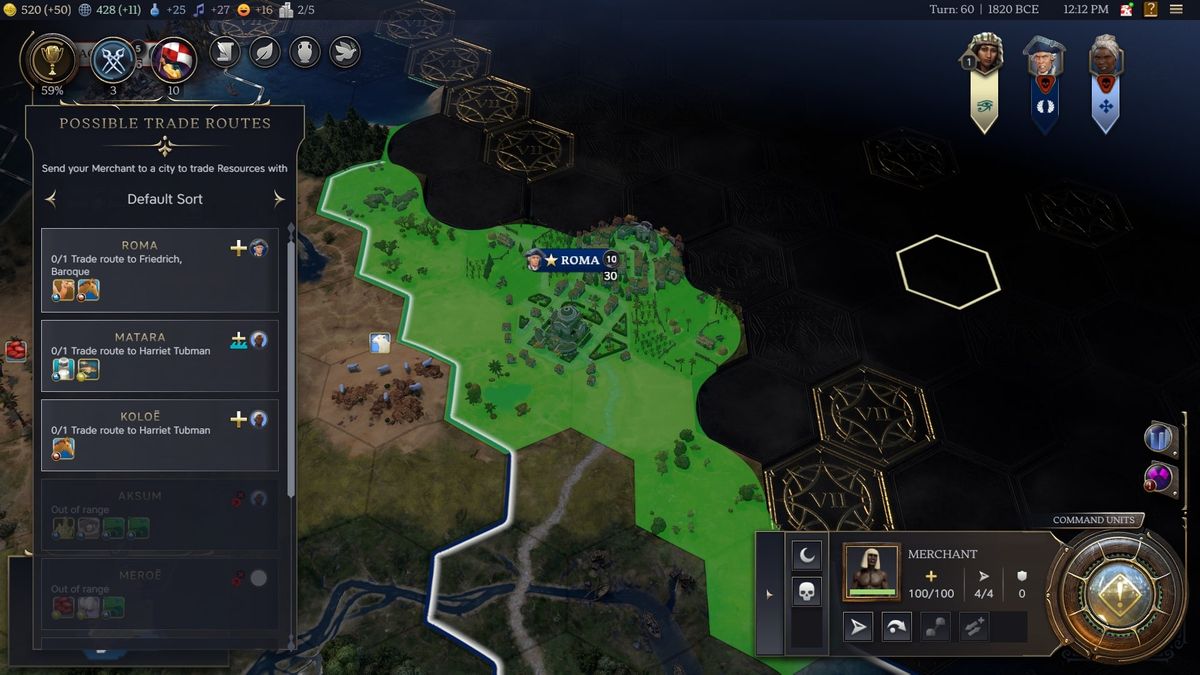
1. Merchants and Trade Routes: Trade routes are established by selecting and moving merchants to specific destinations on the map. This mechanic maintains some continuity with prior Civilization titles but has been refined to better integrate with the game’s advanced diplomacy and influence mechanics, allowing for a more nuanced trade experience.
2. Influence and Diplomacy: A new yield called Influence is central to Civilization VII’s trading dynamics. It’s a resource that you accumulate and spend to execute various diplomatic actions, such as entering treaties, imposing sanctions, or engaging in joint endeavors with other civilizations. This layer of strategy is pivotal when deciding whom to trade with and how to prioritize your trade routes.
Internal Trade
Internal trade refers to the network of trade routes established within your own cities. Here’s what you need to know:
– City Support: Domestic trade routes bolster your cities by ensuring they receive essential resources. This includes distributing food and production across your empire, which is vital for maintaining health and productivity.
– Low Risk: Internal routes typically face fewer threats compared to international trade. There are no rival civilizations to disrupt these routes, making them a more stable choice for sustaining your economy.
– Infrastructure Development: Engaging in internal trade can facilitate infrastructure improvements such as road-building. Enhanced connectivity between cities not only boosts trade efficiency but can also improve overall resource distribution.
International Trade
Engaging in international trade opens up a different set of strategic advantages and challenges:
– Diverse Yields: International trade routes often produce a variety of valuable yields, including gold, science, faith, culture, and diplomatic visibility. This diversity can significantly boost your empire’s overall capabilities.
– Diplomatic Relations: Establishing trade with other civilizations can foster positive relations. Such alliances may grant access to exclusive resources or bonuses, enhancing your strategic options as the game progresses.
– Risks and Rewards: While international trade routes can yield greater economic benefits, they are susceptible to external threats, such as rival civilizations intercepting trade routes or escalating diplomatic tensions. Therefore, evaluating the safety of these trades is essential.
Strategic Considerations
When determining your trade strategies, several factors should guide your decisions:
1. Prioritize Needs: Consider your civilization’s current necessities. If you’re facing challenges with distant cities needing support, prioritize internal trade routes to ensure their stability and productivity.
2. Diplomatic Context: Analyze your relationships with other civilizations. If you have strong diplomatic ties, international trade can be lucrative. Conversely, if tensions are high, it might be wiser to focus on domestic routes.
3. Economic Balance: Weigh the potential high rewards of international trade against the stability offered by internal routes. While international trade can drive rapid growth, it requires a foundation of diplomatic stability to be effective.
4. Adaptability: Be ready to shift your trade strategies as game dynamics evolve. As you progress, new trading partners might emerge or existing relationships might deteriorate. Flexibility is key to maintaining an advantage.
By deftly managing both internal and international trade routes, you can ensure optimal resource distribution, strengthen diplomatic ties, and ultimately steer your civilization towards victory in Civilization VII. Consider each route’s implications carefully, and always be ready to adjust your strategy based on the ever-changing landscape of the game.


Leave a Reply