
Certainly! Here’s a comprehensive guide focused on orb mechanics and strategies in Cocoon, ensuring you can navigate its layered worlds effectively:
—
Orb and World Mechanics in Cocoon
1. Each Orb is a World:
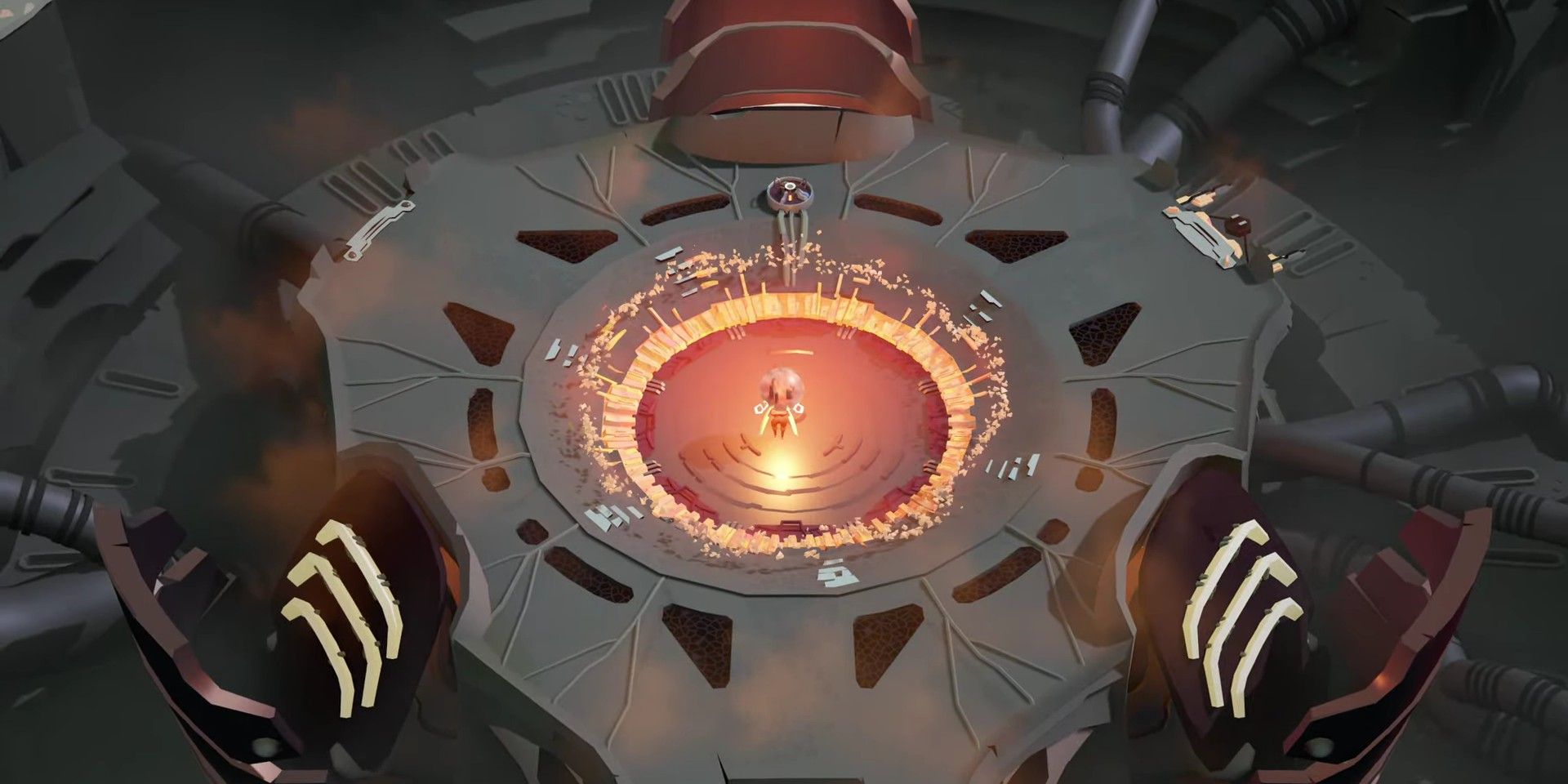
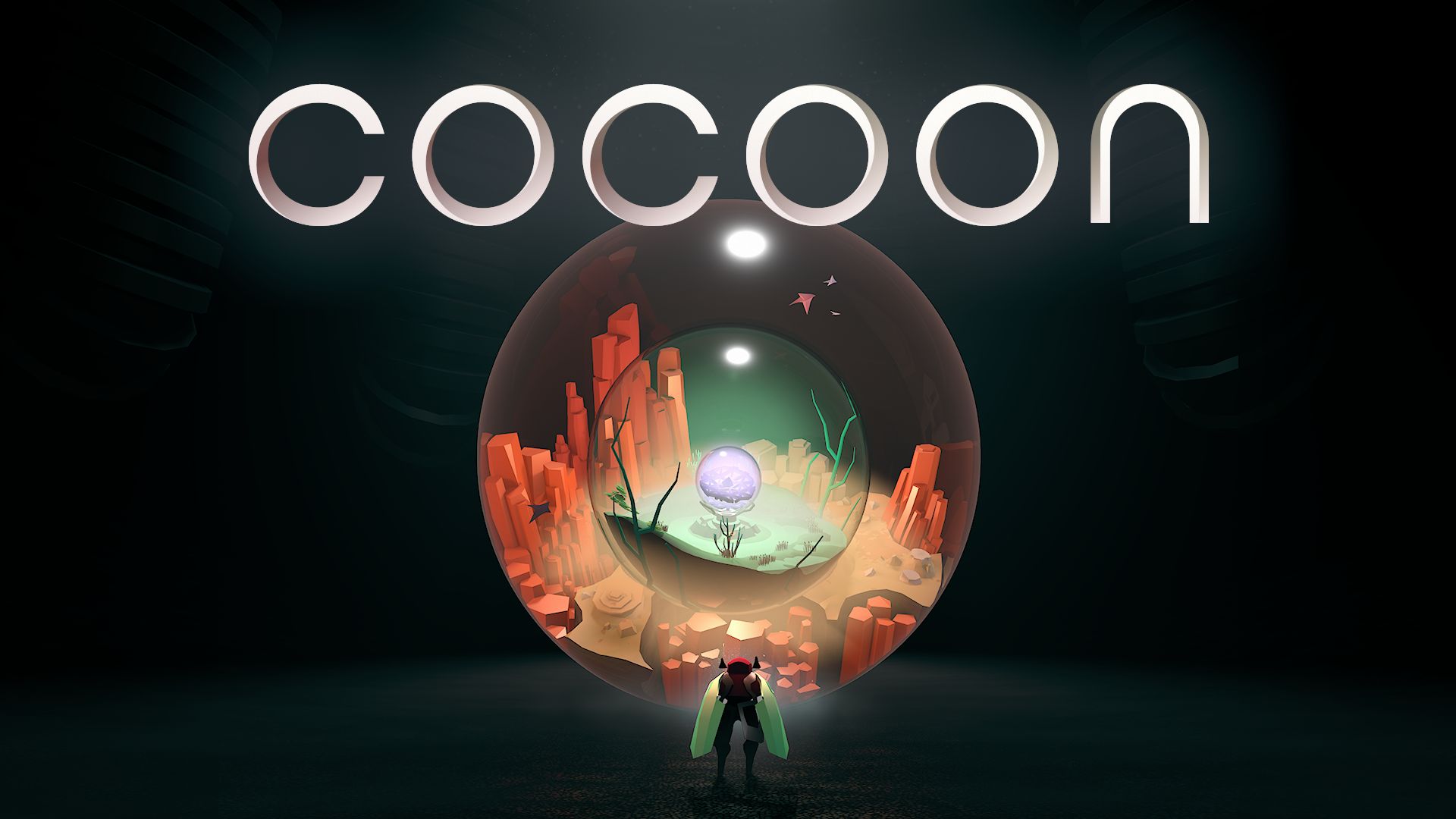
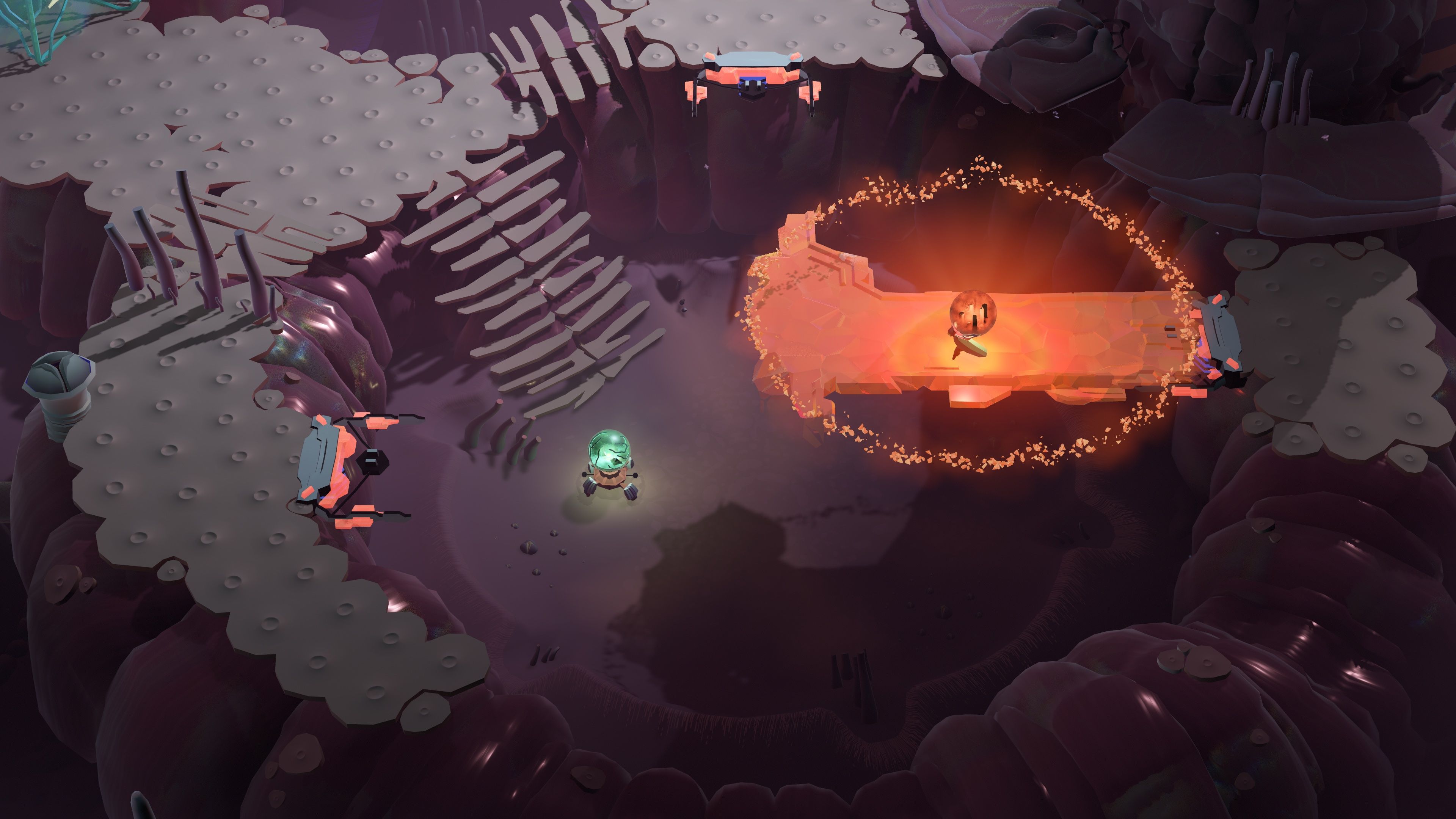
Every orb functions as a unique world. By interacting with an orb, you can enter its distinct environment, which may house additional orbs, creating a nested structure of worlds.
2. Single Orb Carry Limit:
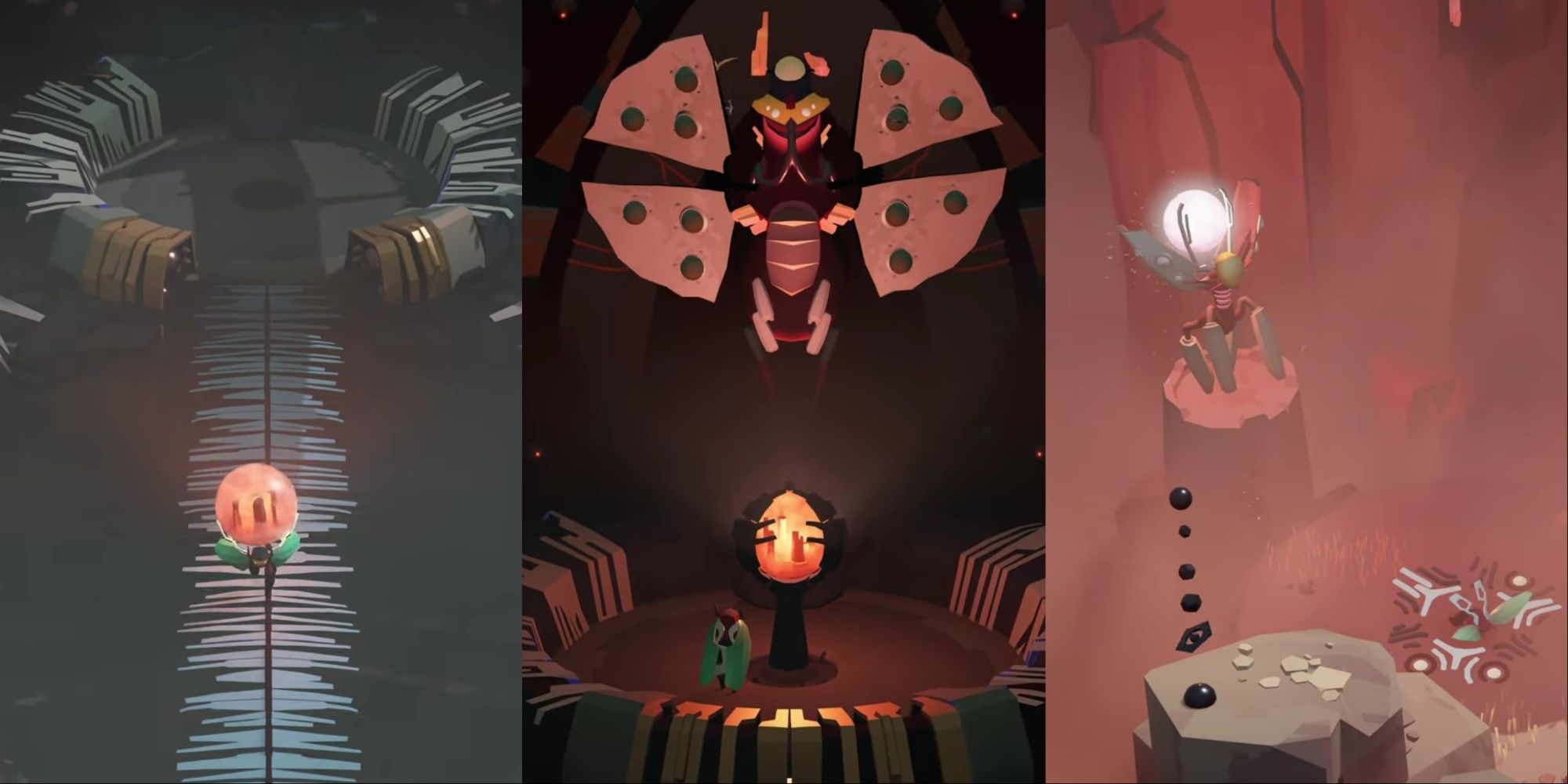
Players are restricted to carrying one orb at a time. This requires careful thought on which orb to take and how to manage interactions within each world.
3. Orb Teleporters:
Teleporters facilitate quick travel between areas, crucial for solving cross-world puzzles and efficiently managing orbs.
—
Effective Strategies for Managing Multiple Orbs
1. Nesting Orbs:
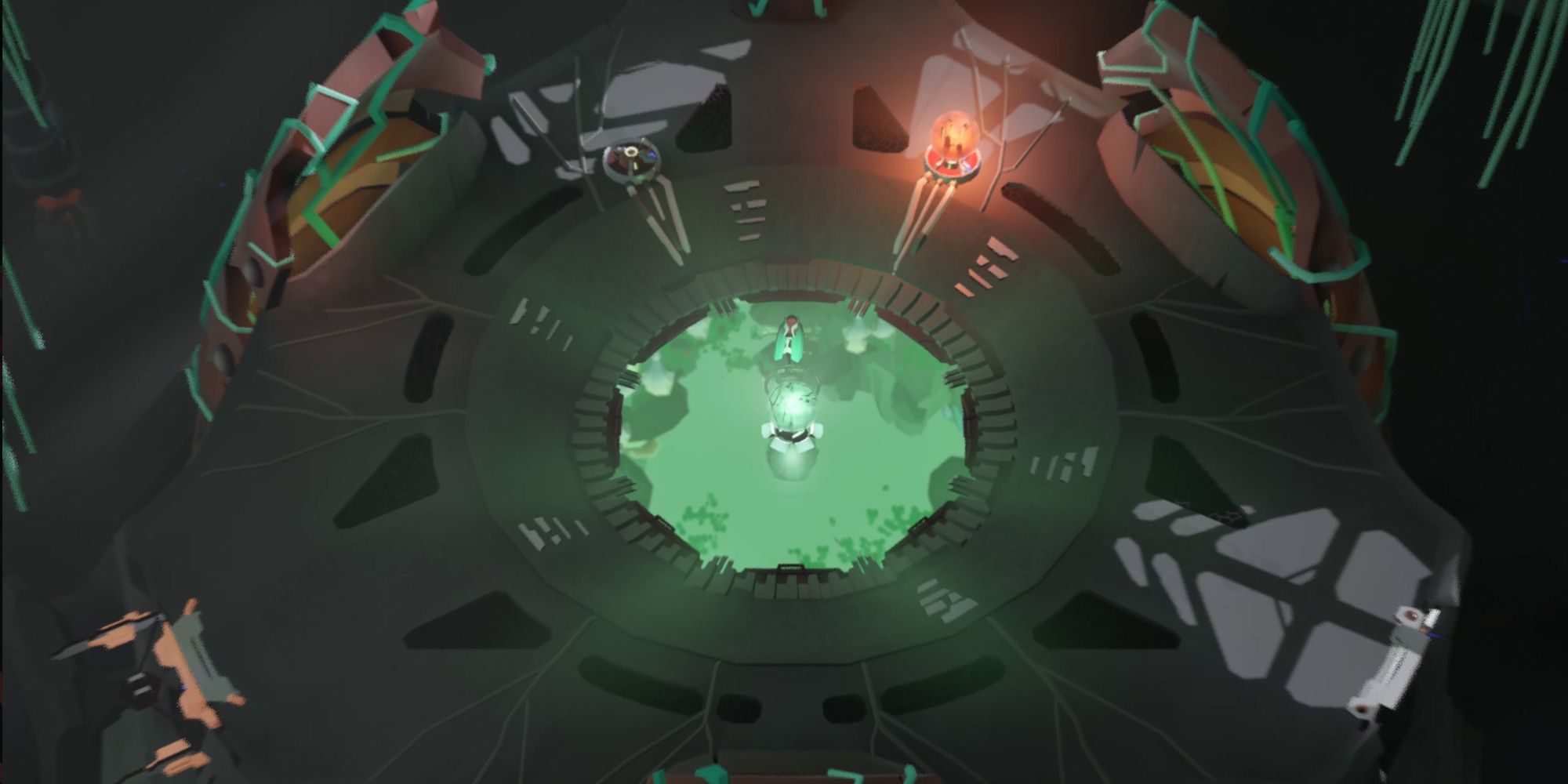
Utilize the nesting mechanic effectively. For instance, when you pick up the green orb, you might enter it to find another (the red orb). Carrying the red orb back out of the green world gives you access to both layers sequentially.
2. Creating Orb Chains:
In certain scenarios, chaining orbs is necessary. For example, if the green orb is inside a red world, and the red orb is within a green world, you need to navigate back and forth to unlock puzzle solutions that require elements from both layers.
3. Understanding Portal Types:
Different portals, including “appendage” portals, can facilitate traversal between layers. Knowing the type of portal helps in strategizing your orb movements and supports puzzle solutions that require retrieving orbs from deeper layers.
4. Puzzle Solutions:
Some puzzles necessitate transferring items between worlds. This often involves placing orbs on pedestals to activate mechanisms or unlock doors, and requires careful sequencing in how and when you interact with different layers.
—
Tips to Avoid Getting Stuck
1. Plan Your Routes:
Before moving between worlds, carefully map out the orbs you need and the paths you’ll take. Leaving an orb in an inappropriate layer can hinder your progress, so strategy is key.
2. Utilize Pedestals:
Employ pedestals to temporarily place orbs when needed to interact with the environment or set up future moves. This tactic can create shortcuts and enable easier navigation between layers.
3. Backtracking:
If you encounter obstacles, consider backtracking through the worlds. Exiting and re-entering worlds often reveals new paths or allows for optimal orb transfer.
4. Orb Walkers:
Leverage the machines called “orb walkers” designed for transporting orbs across gaps or obstacles. Interact with them carefully, ensuring you follow their paths for further adventure.
—
Advanced Concepts: Self-Contained Worlds and Meta-Puzzles
1. Meta-Puzzles:
Some puzzles introduce a challenging twist: orbs that contain their own worlds or even self-referential orbs. These require meticulous management of the sequence in which you enter and exit layers.
2. Managing Multiple Layers:
Each teleportation signifies a plunge deeper into the world structure. Always remember that you can return, allowing for layer exploration and orb retrieval.
—
Summary Table: Key Orb Strategies
| Strategy | Description |
|————————|—————————————————————————–|
| Nesting Orbs | Move orbs between worlds to unlock deeper layers. |
| Pedestal Placement | Utilize pedestals for opening gates and activating mechanisms. |
| Orb Walkers | Use machines to move orbs across gaps or into new areas. |
| World Re-entry | Revisit previous layers to retrieve orbs or unlock new paths. |
| Object Transfer | Shift objects between worlds by carrying the relevant orb. |
—
Example Scenario
Imagine you are in the red world holding the green orb. By entering the green orb’s world, you can place the red orb inside it. Now, when you exit back into the red world with the red orb, you have effectively created a loop that provides access to both worlds from one vantage point, a crucial tactic for solving complex puzzles.
—
Final Tips
– Take Your Time: Understanding the intricate order of world interactions is essential; do not rush through.
– Observe Gameplay Patterns: The orb mechanics often repeat across different puzzles, aiding in recognition and solution development.
– Experiment Freely: If faced with a challenge, testing various combinations of orb movements can often yield unexpected but effective solutions.
By embodying these strategies, you’ll master Cocoon’s intricate puzzle design, effortlessly carrying orbs through its layered worlds while avoiding frustration.
Leave a Reply