
Understanding the Basics: Orbs and World Jumping in Cocoon
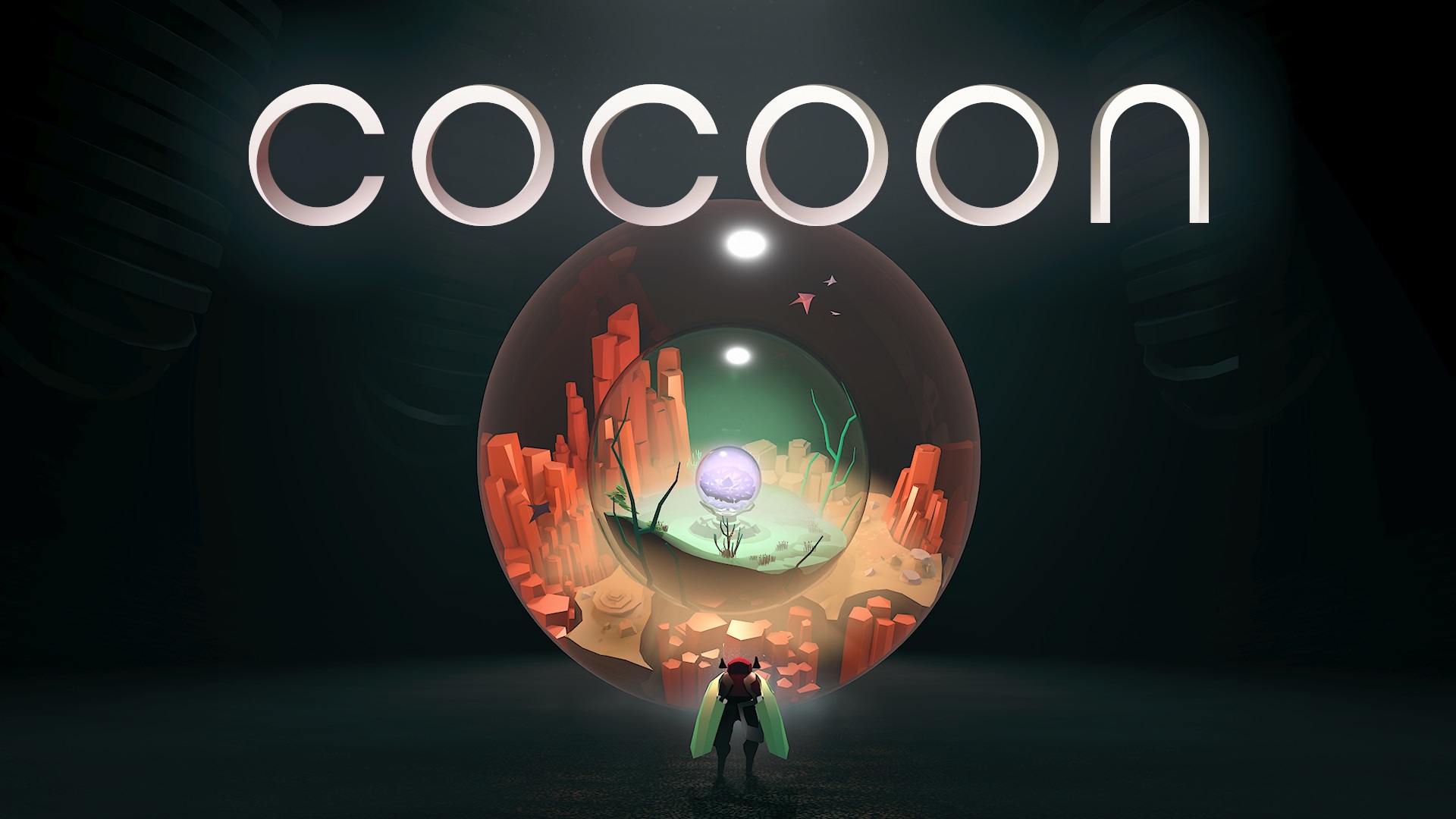
In Cocoon, orbs serve as more than mere collectible items; they represent entire worlds filled with their own unique environments and puzzles. Players can enter these orbs to immerse themselves in new settings and eventually exit back to the original world. A crucial aspect of gameplay is the ability to nest worlds within each other, a mechanic that plays a significant role in addressing complex puzzles.
Core Principles for Orb-Based Puzzle Solving
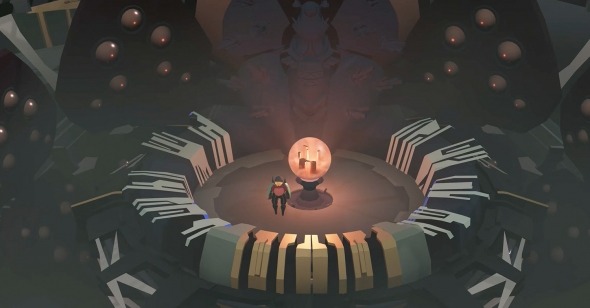
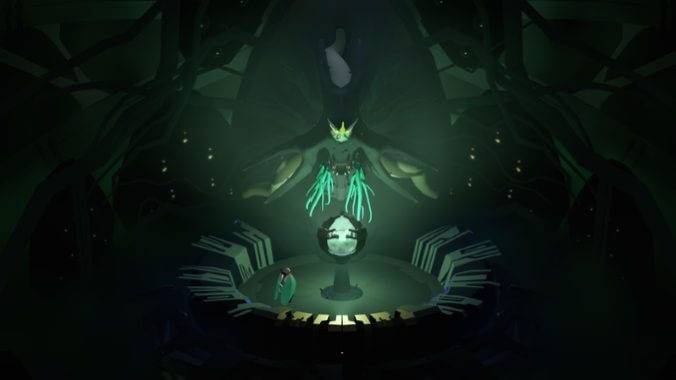
1. Orb Placement: Position the orbs on specific stands or pedestals to activate various mechanisms within the environment, such as bridges, doors, and other interactive elements.
2. Nesting Worlds: Players can enter an orb while already contained within another, allowing for layers of worlds where each contains its own challenges and puzzles.
3. Orb Swapping: Occasionally, players need to extract an orb from its world to place it in another, facilitating the activation or deactivation of barriers in different worlds.
4. Warp Pools: Certain areas in the game allow players to enter and exit orb worlds efficiently, enabling the transportation of orbs between different layers of the game.
Example Walkthrough: Moving Between Orb Worlds
This step-by-step guide illustrates a typical gameplay sequence involving orb interactions:
Step 1: Activate a Warp Pool
– Place an Orb: Identify a warp pool or a pedestal, and place an orb, such as an orange orb, on it.
– Enter the Orb World: Activate the warp pool to be transported into the world contained within the orb.
Step 2: Solve Inner Puzzles
– Find Another Orb: Navigate through the orb world, completing puzzles to unearth another orb (like the purple orb).
– Collect the New Orb: Once found, pick up the new orb and carry it with you.
Step 3: Exit and Transport Orbs
– Exit the Current World: Make your way back to the previous world using the warp pool or designated exit point.
– Swap Orbs: Place the new orb on its appropriate stand to enable further world interactions or transitions.
Step 4: Nest Worlds for Complex Puzzles
– Multiple Layers: If you encounter a seemingly unsolvable puzzle, enter the orb you are currently carrying and complete relevant tasks within that sub-world.
– Orb Transit: Occasionally, you’ll need to drop an orb into a designated slot or tube, allowing it to reappear in another part of the environment and facilitate the unlocking of doors or bridging gaps.
Tips for Advanced Orb Navigation
– Persistence: If stuck, retrace your steps and explore different orbs or the order of your interactions.
– Visual Hints: Look for environmental cues—certain areas may only activate with specific orbs, indicated by visual markers.
– Trial and Error: Experimentation is key; test out various combinations of orb placements and interactions to discover successful solutions.
Common Pitfalls and How to Avoid Them
– Orb-Proof Barriers: Be aware of barriers requiring you to enter a world unencumbered by orbs—ensure orbs are placed on stands beforehand.
– Returning to Previous Worlds: Recognize when you need to exit an orb world to activate mechanisms in prior areas; often, re-entrance is necessary to continue.
– Bringing the Right Orb: Before engaging with a puzzle segment, double-check which orb you’re holding to prevent mistakes.
Summary Table: Orb World Interactions
| Action | Effect |
|———————–|—————————————————|
| Place orb on stand | Activates mechanisms (bridges, doors, etc.) |
| Enter orb | Transports you to the world inside the orb |
| Exit orb | Returns you to the previous world |
| Swap orbs | Alters world activation or barrier status |
| Drop orb in tube/slot | Moves orb to another location for interactive use |
Conclusion
Mastering the interplay between orb placement, world nesting, and strategic swapping is pivotal to solving the intricate puzzles of Cocoon. By observing your surroundings and experimenting with orb interactions, you’ll find success in navigating and unraveling complex challenges throughout the game.

Leave a Reply