
Environmental Storytelling in Cocoon and Its Role in Puzzle-Solving
Cocoon stands out in the gaming landscape as a pioneering environmental puzzle game that embraces a distinct approach to narration—one that entirely omits traditional instruction and dialogue. Instead, it immerses players in a rich tapestry of environmental storytelling that plays a pivotal role in guiding puzzle-solving. This integration of aesthetic and gameplay mechanics transforms the environment into both a teacher and a narrative conduit.
Wordless Teaching and Environmental Clues
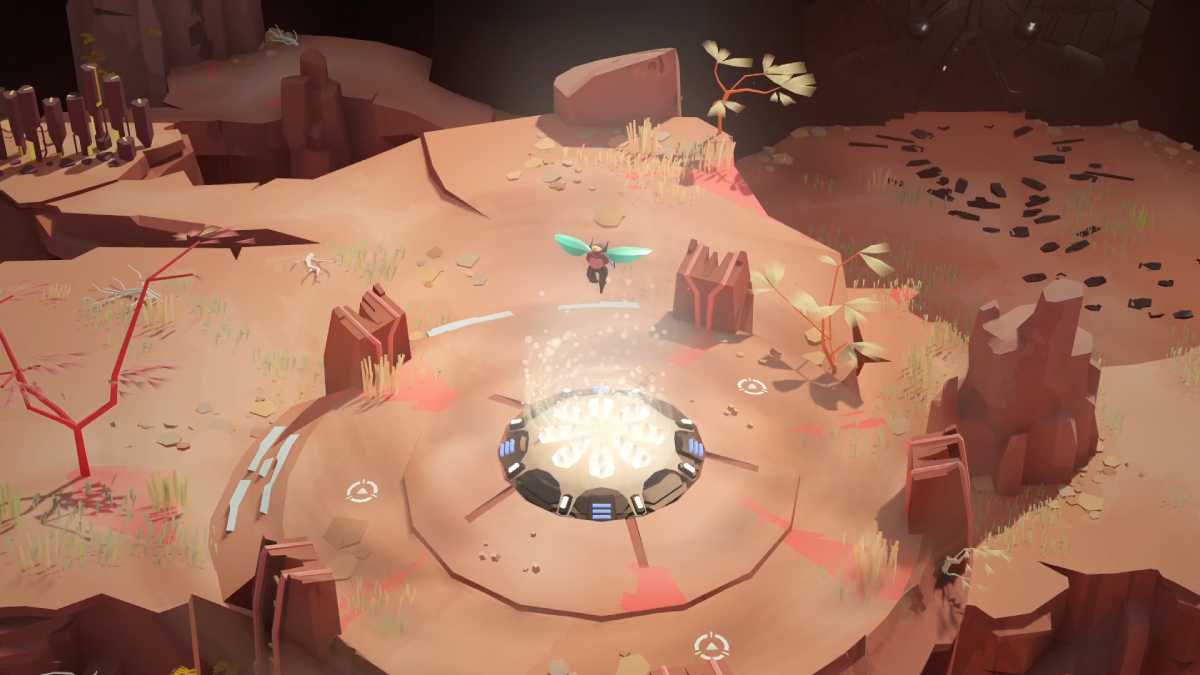
At the heart of Cocoon is its profound commitment to wordless storytelling. The game eschews explicit guidance, opting instead to convey its mechanics through direct player engagement with the environment. As players interact with their surroundings, they absorb lessons organically. Environmental clues—such as subtle visual indications, dynamic patterns, and occasionally floating keys—serve to orient the player and suggest potential actions or directions. This design prioritizes learning through observation and experimentation over explicit tutorials or text prompts.[1][2]
The Role of Alien Landscapes and Mechanized Worlds
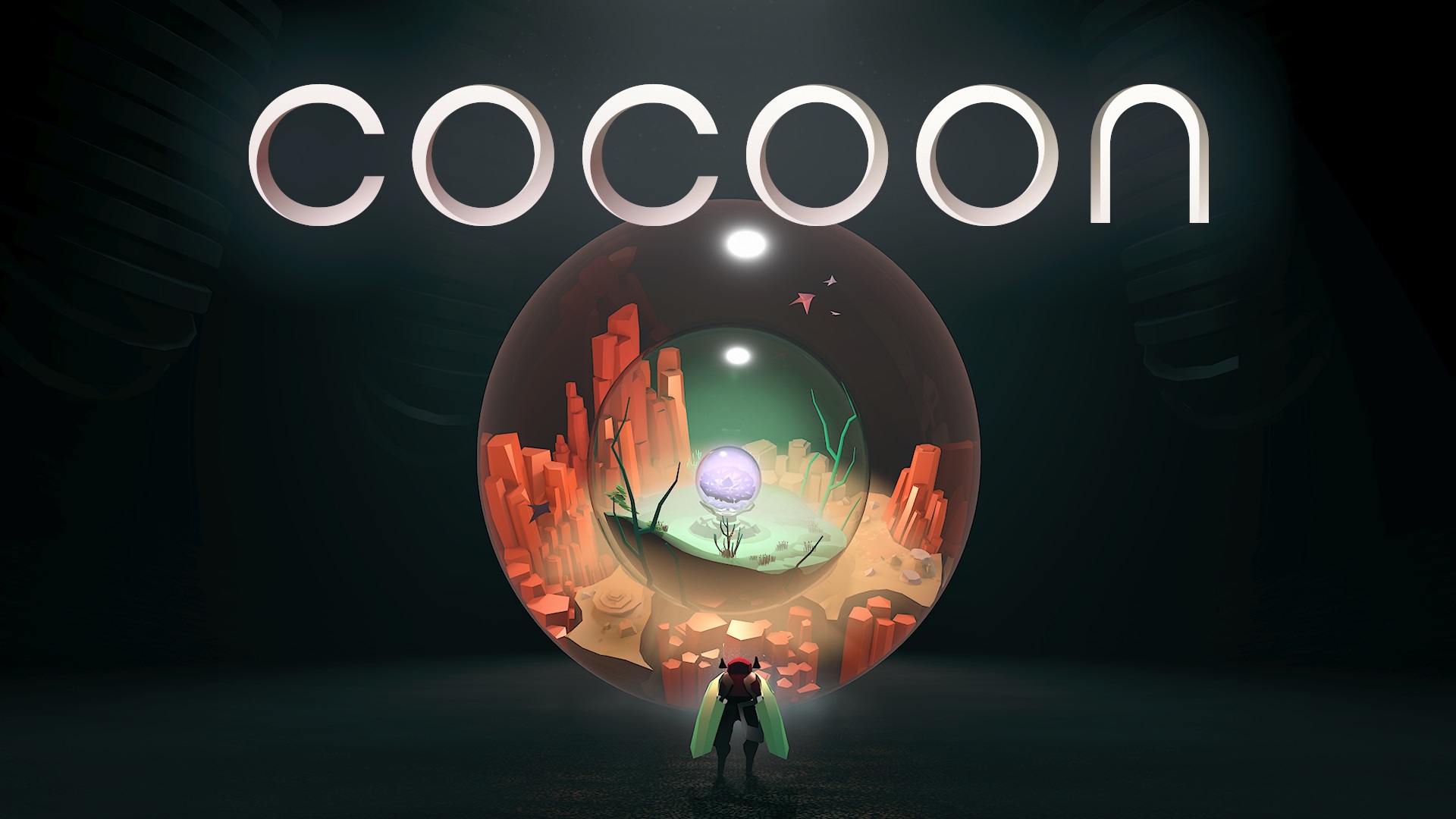
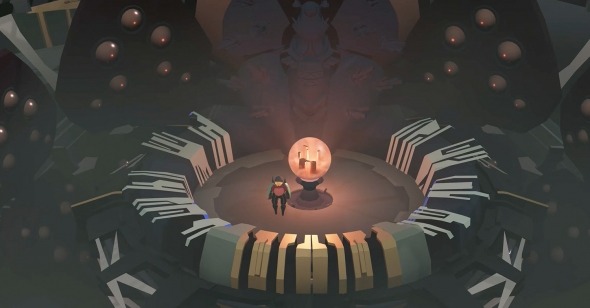
The environments in Cocoon serve as active participants in the game’s overarching narrative and puzzle-solving landscape. Each distinct world is represented by uniquely colored globes, each introducing new mechanics and visual languages. For instance, engaging with the orange globe may unveil specific pathways, while interacting with the green globe can enable movement on certain platforms. The player gradually learns to correlate environmental attributes with corresponding powers or puzzle solutions, piecing together an understanding of the relationship between worlds, orbs, and abilities through environmental storytelling.[2][3]
As players journey through the game, environments evolve, revealing increasingly complex mechanics and deeper layers of narrative. This progression ensures that as players encounter more intricate puzzles, their comprehension grows in tandem with the game’s complexity—achieved without a single written word.[3][5]
Observational Learning and Puzzle Design
Cocoon requires a high degree of observational learning. The absence of user interfaces, dialogue, or overt instructions compels players to rely on the narrative woven into the environment. Visual cues concerning platforms, liquids, and orbs provide essential information on interaction. As the puzzles range in complexity from straightforward challenges to intricate designs involving multiple worlds within worlds, the player must manipulate the environment inventively and thoughtfully.[5]
This reliance on environmental storytelling translates into every color, every mechanical component, and every nuanced hint within the scenery serving as a potential guide. Players are invited to interpret the surroundings as they would a narrative, culminating in a deeply immersive experience where the environment both challenges and supports them in their quest.[1][2]
Examples of Environmental Storytelling in Action
1. Visual Cues: Patterns or recurring motifs in the environment signal hidden paths or required actions; for example, a faded trail might lead players to explore new routes.
2. Mechanical Feedback: Player interactions with platforms or orbs yield immediate changes in the environment, reinforcing essential cause-and-effect relationships.
3. Symbolic Elements: The thoughtful use of color and light differentiates worlds and abilities, enabling players to visualize and strategize puzzle solutions more effectively.
Summary Table: How Environmental Storytelling Aids Puzzle-Solving in Cocoon
| Element | Role in Puzzle-Solving |
|—————————-|———————————————–|
| Color-coded globes | Represent unique worlds with specific powers |
| Environmental patterns | Indicate paths, solutions, and mechanics |
| Wordless visual feedback | Teaches mechanics through observation |
| Evolving landscapes | Gradually introduces new mechanics |
| Symbolic motifs | Reinforces narrative and puzzle connections |
Conclusion
In Cocoon, environmental storytelling transcends mere aesthetic purpose; it constitutes the foundation of the puzzle-solving experience. The world itself emerges as a guiding force—teaching, challenging, and inviting players to explore its rich, mysterious landscapes. This unique narrative approach fosters a deeply organic and rewarding progression as players unravel the secrets of Cocoon.[1][2][5]


Leave a Reply