
The orb-carrying mechanic in Cocoon is a distinctive feature that enriches gameplay, facilitating navigation and puzzle-solving across multiple interconnected worlds. Here’s an in-depth exploration of how this mechanic operates across various dimensions of the game, highlighting its complexity and engagement factor.
Key Features of the Orb-Carrying Mechanic
1. Orb Worlds
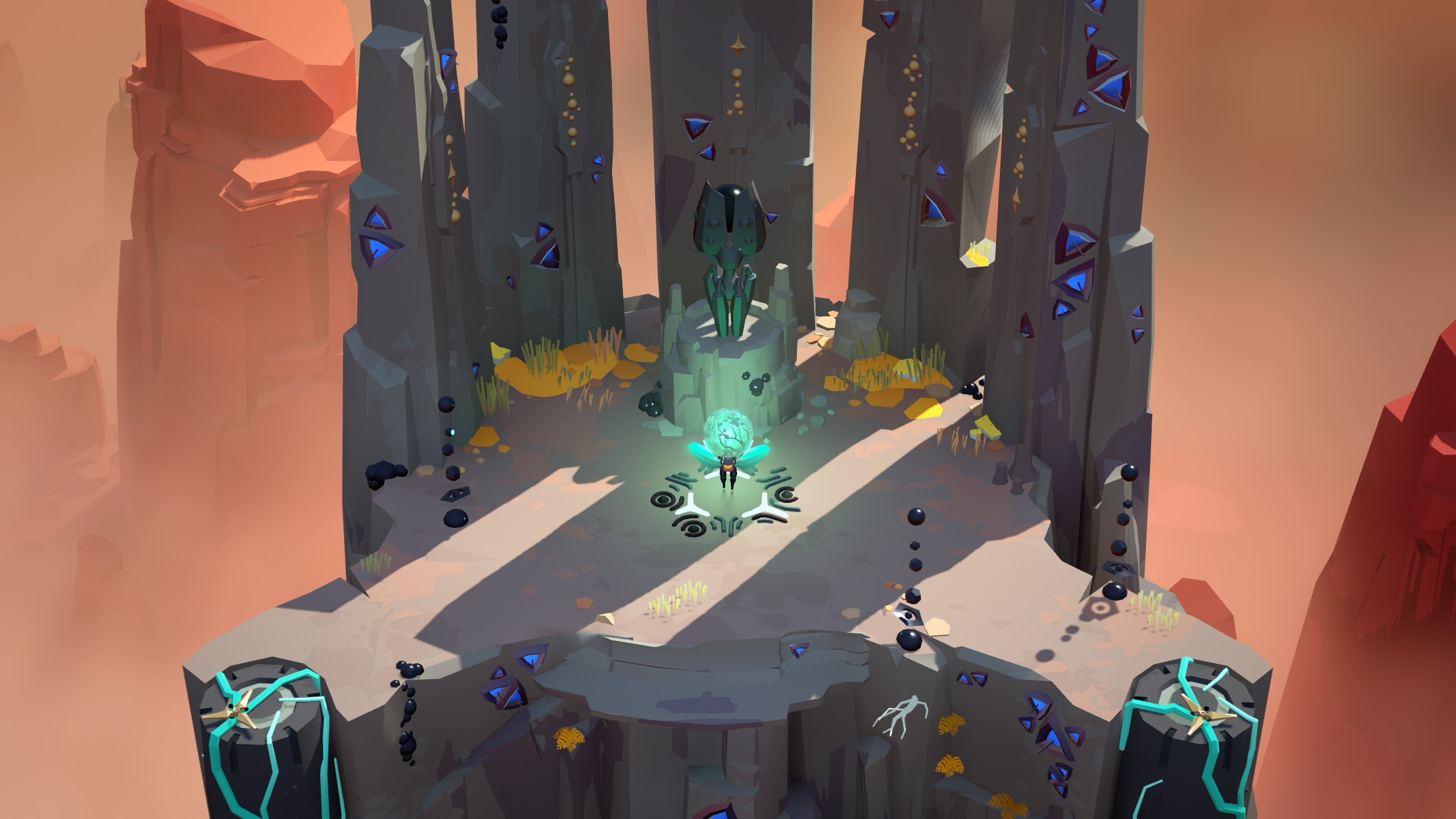
– Encapsulated Worlds: Each orb functions as a microcosm, housing a complete environment with unique challenges and puzzles. This encapsulation not only diversifies gameplay but also enhances the sense of exploration as players delve into the intricacies of each orb world[3][4].
– Interdimensional Travel: Players gain the ability to enter these miniature worlds by interacting with the orbs. This feature invites players to explore, collect items, and solve puzzles, creating intricate connections between the orb worlds and the main game world[3][4].
2. Orb Transitions and Layer Switching
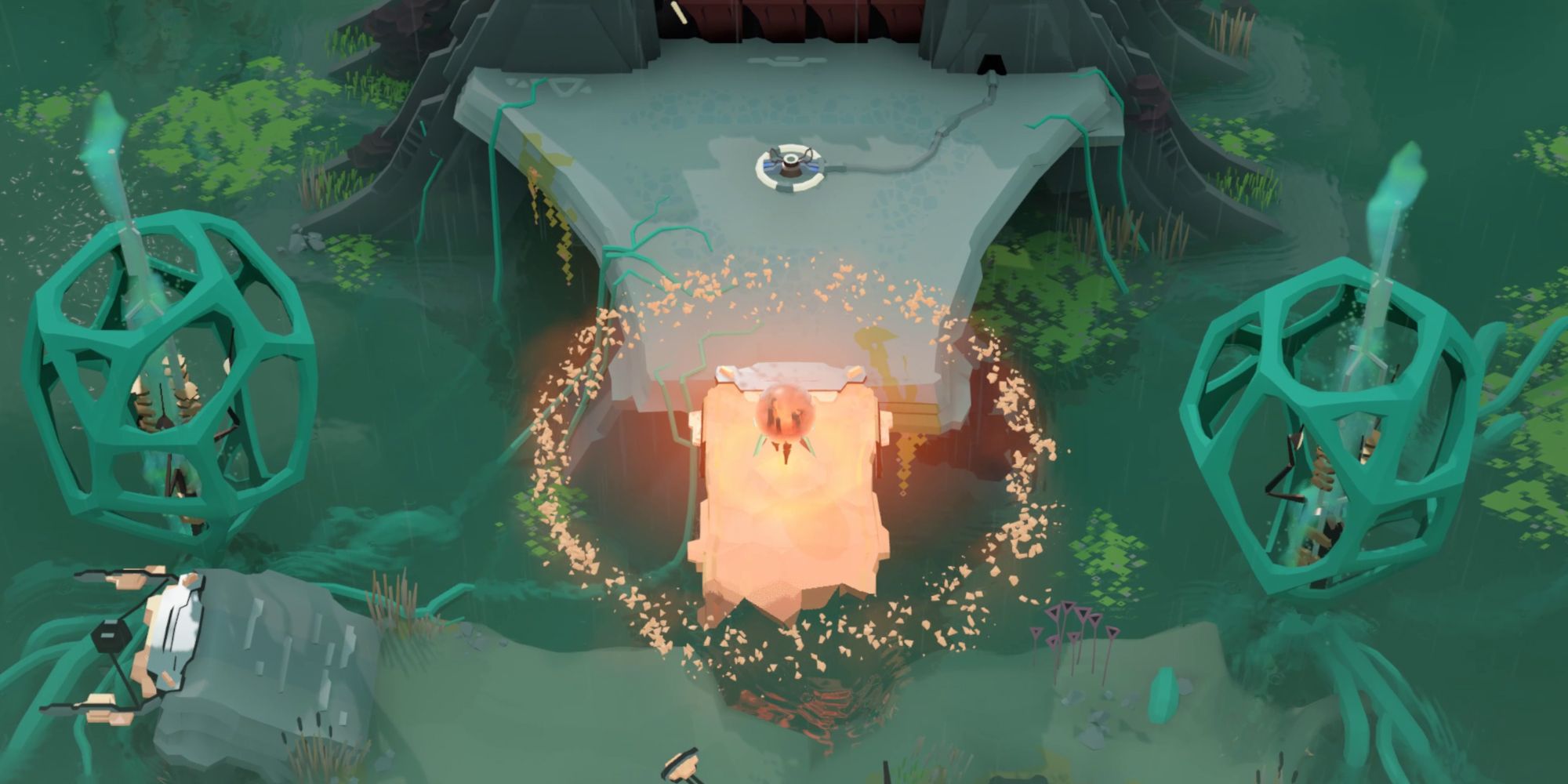
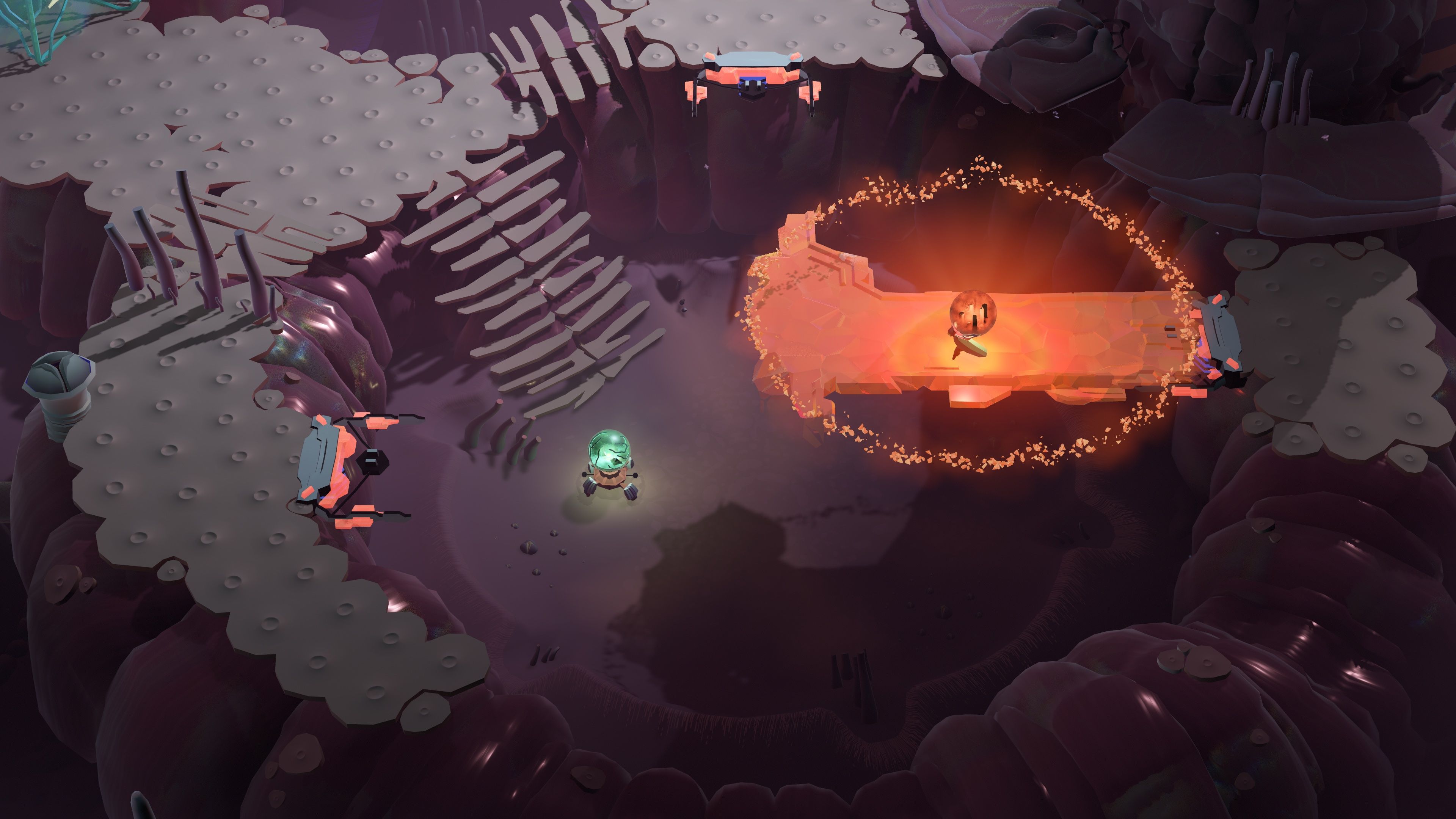
– Layer Jumping: The mechanic is designed to enable seamless transitions between the primary game world and the realms contained within orbs. Players can place orbs on specific platforms or triggers, allowing for a smooth shift in dimensions, thus maintaining immersion in the game’s narrative and environment[2][5].
– Orb World Manipulation: Players can influence objects within one orb world, enabling them to transport such changes or items to a different layer. This manipulation not only emphasizes the interconnectedness of the worlds but also fosters a strategy-oriented approach to problem-solving[3][4].
3. Puzzle-Solving Across Layers
– Orb-Based Puzzles: Puzzles within the game are intricately woven into the fabric of the orb-carrying mechanic. They often necessitate moving orbs between various layers to activate mechanisms, open pathways, or navigate barriers. This requirement ensures that players remain engaged and challenged throughout the gameplay[2][5].
– Sequential Puzzle Solving: A notable aspect of puzzles is the requirement for sequential problem-solving. Players might need to enter one orb to gather items or trigger events that will then affect the main world or another orb layer, creating a layered gameplay experience that demands critical thinking and timing[2][5].
Practical Application of the Mechanic
Sample Scenario
To illustrate the functionality of the orb-carrying mechanic, consider the following step-by-step example:
1. Objective: Open a closed warp pool that restricts further exploration.
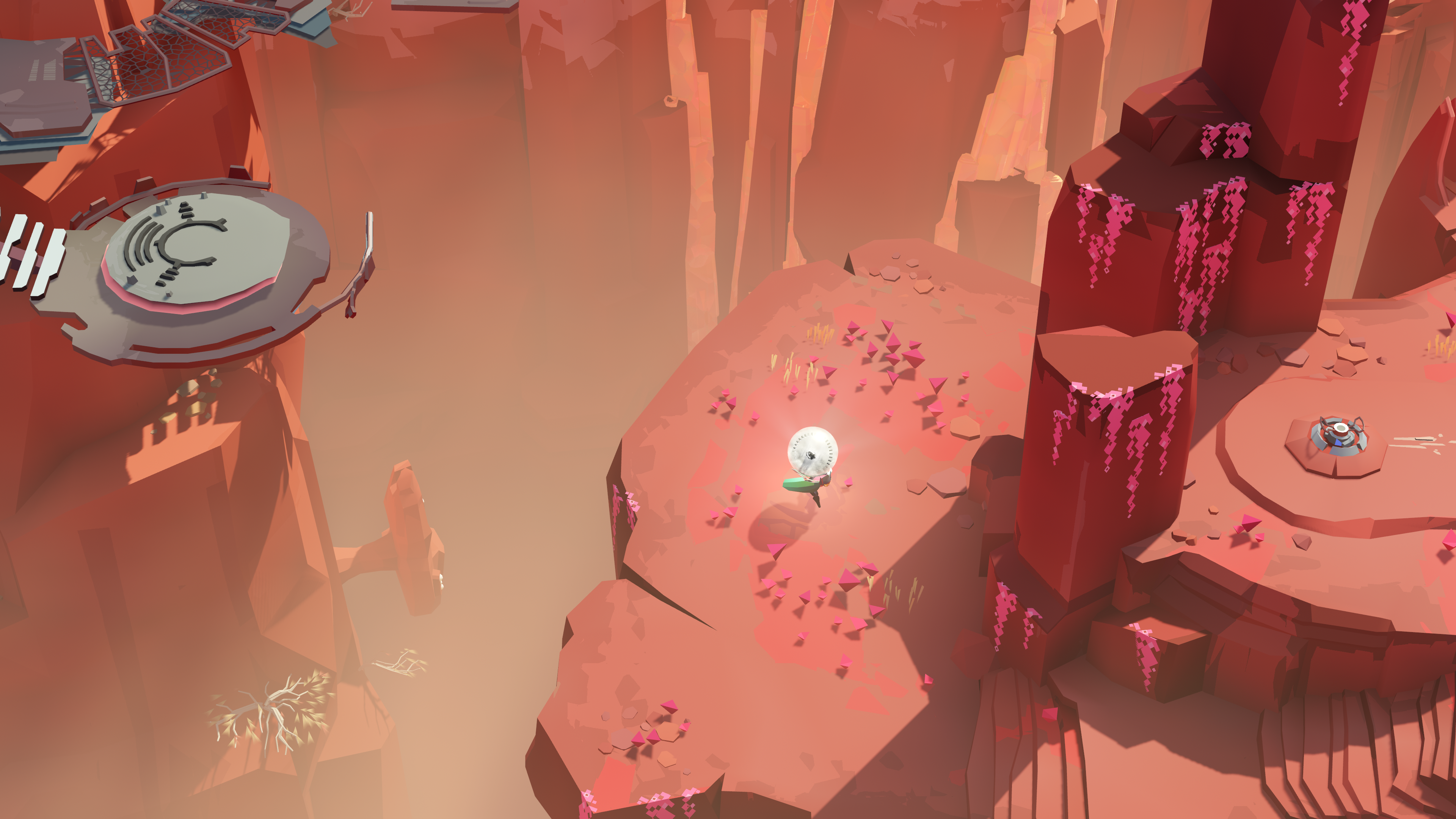
2. Step 1: Players begin by entering an orb world, such as the orange world, where they must collect a crucial item—defining this interaction, for instance, a green orb.
3. Step 2: After acquiring the green orb, players exit the orb world and place the orb on a designated platform in the main world. This action unlocks a new area that was previously inaccessible.
4. Step 3: With the new area now open, players can access another orb world, continuing the cycle of problem-solving and item collection that drives the narrative forward[2][5].
Summary of Key Points
– Encapsulation: Orbs house fully-realized, miniaturized worlds for exploration.
– Interdimensional Travel: Players can navigate between realms through orb interactions.
– Puzzle Solving: The transport and manipulation of orbs are essential for solving intricate puzzles across different layers.
Conclusion
Ultimately, the orb-carrying mechanic in Cocoon stands out as a creative and challenging element, inviting players to engage deeply with the game’s multifaceted environments. The mechanic promotes strategic thinking, exploration, and problem-solving, offering a rewarding experience that makes navigating its layered landscapes both enjoyable and thought-provoking. As players master this unique mechanic, they unlock the potential for intricate puzzle solutions and immersive gameplay, enhancing the overall appeal of Cocoon.

Leave a Reply