
Cocoon presents an evolving puzzle experience through its innovative use of orbs, and as players delve deeper into the game, they are met with increasingly complex mechanics that require strategic thinking and problem-solving skills. Here’s an in-depth look at how the puzzle mechanics evolve through the introduction of different orb types and their interactions within various game environments:
Introduction to Orbs
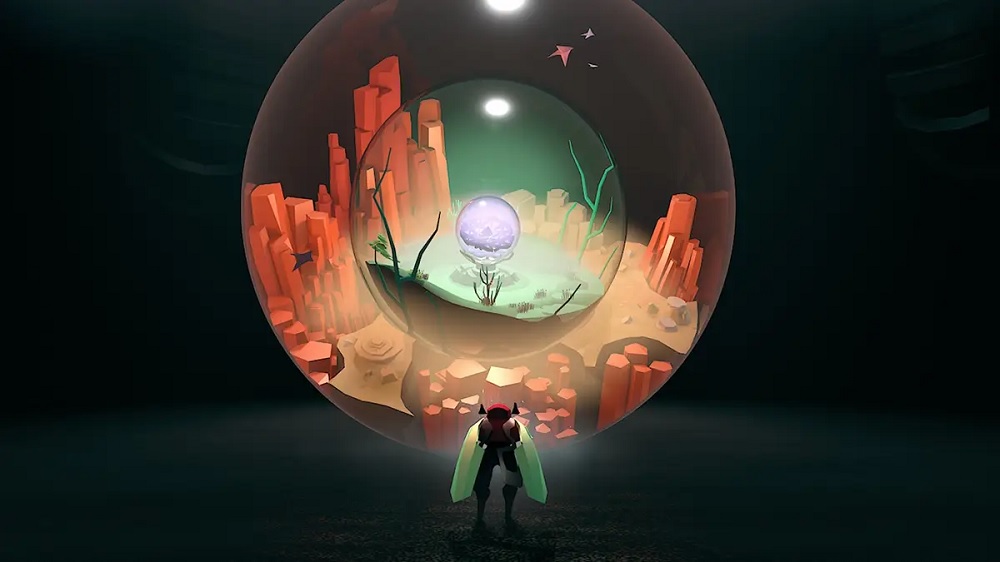
At the outset, players are introduced to a singular type of orb that becomes the foundation for their puzzle-solving skills. These early orbs possess specific properties, such as the ability to interact with their environments by firing projectiles or initiating changes, allowing players to grasp the basic mechanics of the game. As players progress, they encounter new orb types, each equipped with unique abilities that diversify the gameplay and necessitate a deeper understanding of their functions.
Mechanics with Multiple Orbs
Basic Orb Swapping and Placement
– Early Stages: In the initial phases of the game, players focus on the fundamental mechanics of orb placement and swapping. For instance, the task of swapping the green orb for an orange orb at a warp pool unlocks new geographical areas, highlighting the importance of strategic placement in accessing various game worlds. These intuitive mechanics serve as stepping stones for players to familiarize themselves with how orbs can interact with the environment.
– Later Stages: As players encounter more orb types, they must not only remember the distinct roles of each orb but also ensure their correct placement for puzzle completion. This increased complexity demands a more strategic approach, as players begin to juggle multiple variables and outcomes.
World-Specific Puzzles
– Orange World: In certain worlds, like the Orange World, players are challenged to manipulate orbs uniquely. They might be tasked with positioning both the green and white orbs on designated stands before retrieving them. This mechanic emphasizes the necessity of understanding the role each orb plays within a specific context and requires players to think on their feet.
– Warp Pool Interactions: To successfully access warp pools, players must understand the interaction requirements—placing orbs on specific stands often extends across different worlds. This multi-dimensional approach to puzzle-solving introduces an added level of complexity, as players map their movements across the game environment.
Environmental Interactions and Sequencing
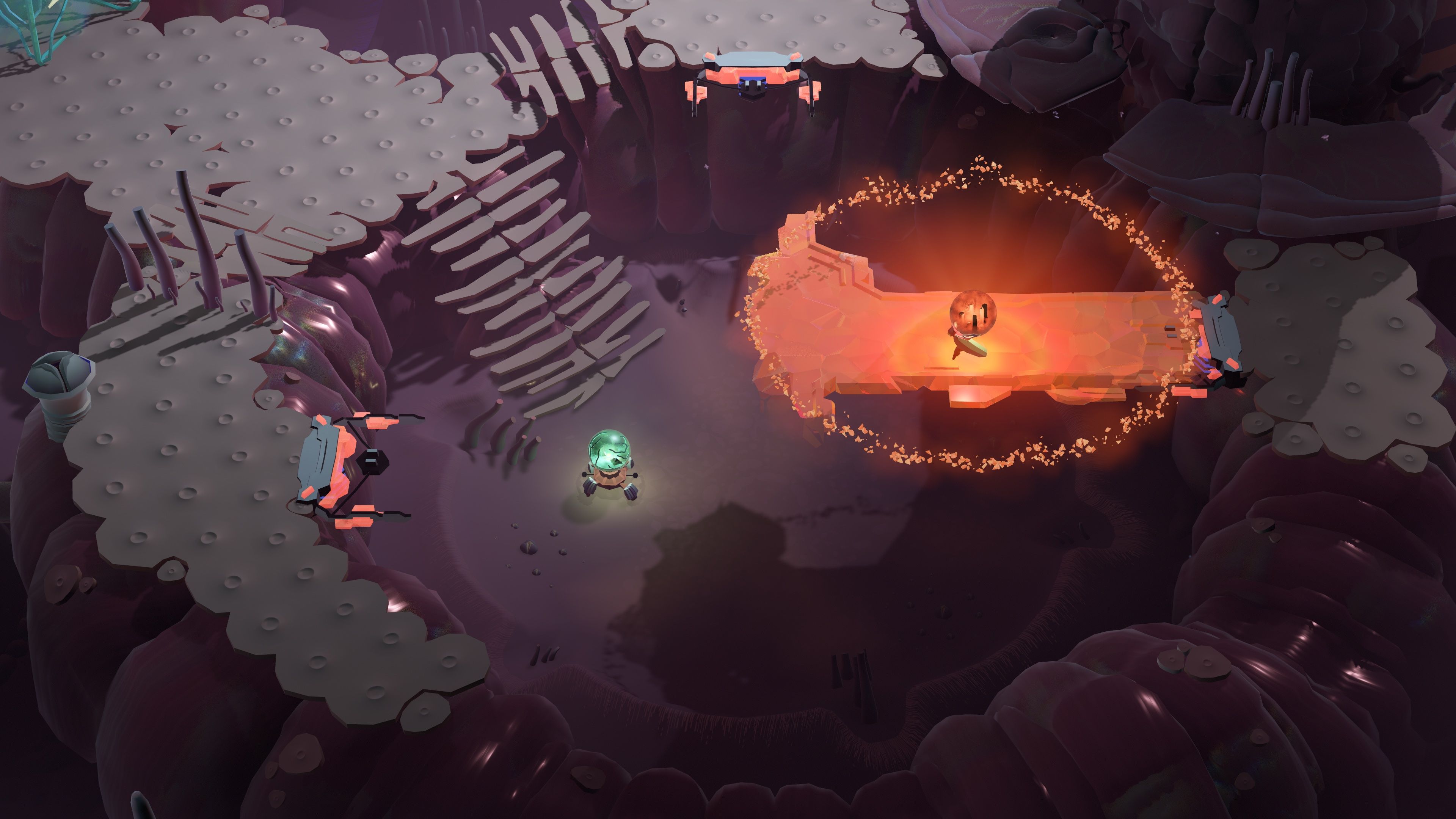
– Projectile Firing: Certain orbs, like the white orb, have the capability to fire projectiles autonomously. Timing becomes crucial as players must carefully calculate their movements to hit targets (like the black diamond) that lower barriers and allow progression. This introduces a dynamic element into the puzzles, requiring quick reflexes and foresight.
– Sequence and Timing: Many puzzles hinge on precise sequences of actions. Players must orchestrate the movement of orbs in a specific order and ensure that their timing aligns with environmental triggers, often leading to multiple attempts and strategic planning to achieve the desired outcomes.
Increasing Complexity with New Orbs
The introduction of new orb types drastically enhances the game’s complexity:
– Black Spheres Puzzle: Some puzzles introduce elaborate mechanics, such as sound-based challenges. Players adjust the heights of spheres to create matching tones, requiring careful thought and an understanding of auditory clues, as fueled by community discussions and hints.
– Pressure Plates and Robot Interactions: Players must engage with various environmental elements—using orbs to activate pressure plates and interact with robots. This dynamic interaction mandates attention to timing and movement, pushing the potential for failure if a step is overlooked.
Overall Evolution of Puzzle Logic
As players journey through Cocoon, they face an escalating challenge in the puzzle logic that manifests through:
– Multiple Orb Types: Each orb introduces new capabilities and interactions, forcing players to adapt their strategies and deepen their understanding of each orb’s unique properties.
– Inter-World Puzzles: Many puzzles demand that players think beyond their immediate environment, spurring interactions that span multiple worlds and increasing spatial awareness.
– Sequencing and Timing: Coupled with the introduction of more complex orbs, players must execute sequences with acute timing, making the puzzles progressively tougher.
In summary, Cocoon skillfully ramps up the difficulty by layering new orb types, diverse environmental interactions, and intricate sequences. This thoughtful design culminates in a captivating and challenging puzzle-solving experience that keeps players engaged throughout their ventures into this unique gaming world.

Leave a Reply