
The Paragon Board in Diablo IV serves as a crucial endgame progression system, allowing players to further augment their characters’ capabilities and stats beyond traditional leveling. Below is a comprehensive guide detailing how the Paragon Board operates and offering strategic advice on point allocation.
Unlocking the Paragon Board
– Level Requirement: The Paragon Board becomes available once players reach Level 50. At this stage, players transition from gaining ability points through leveling to acquiring Renaown points, which can eventually contribute a total of 58 additional ability points related to various skills.
How the Paragon Board Works
– Paragon Points: Players earn Paragon Points as they progress in levels beyond 50. Typically, a new Paragon Point is awarded upon achieving specific milestones within a level, such as every 25% completion.
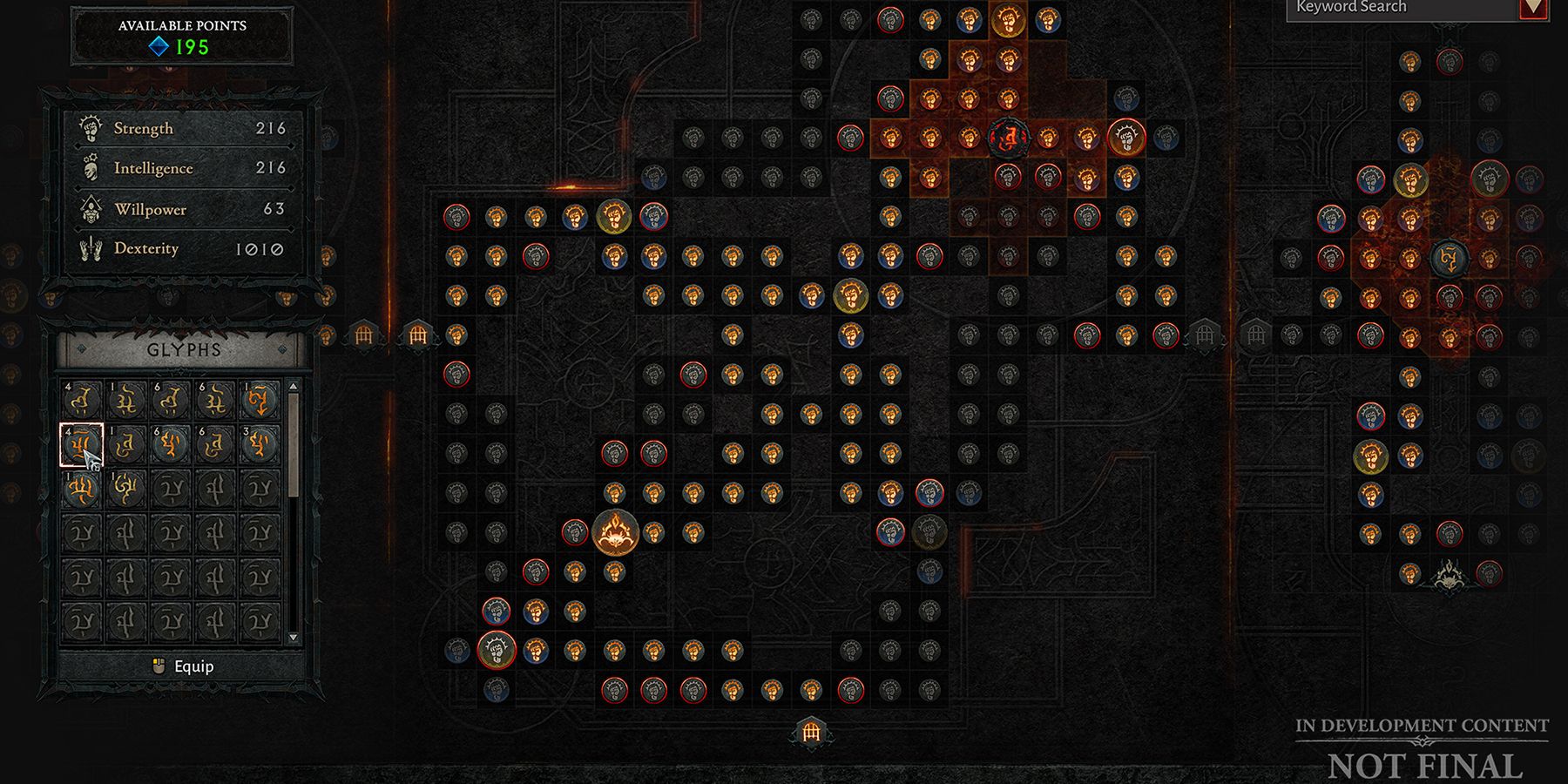
– Node Allocation: Each Paragon Point can be spent on nodes available on the Paragon Board. These nodes provide a variety of benefits, which may include stat increases, enhanced damage, improved defense, utility bonuses, or unique passive abilities.
– Node Types: There are four distinct types of nodes within the Paragon Board:
– Common Nodes: Grant a boost of +5 to a base stat.
– Magic Nodes: Offer bonuses to damage, defense, or utility.
– Rare Nodes: Provide two distinct bonuses, which can involve damage, defense, utility, or basic stat increases.
– Legendary Nodes: Their benefits vary according to your specific build and offer unique gameplay effects.
Allocating Points Effectively
1. Understand Your Build: Prior to distributing points, it is essential to have a clear understanding of your character’s build. Each class starts with a unique Paragon Board, and you have the option to choose specialized boards as you progress.
2. Prioritize Key Stats: Allocate points towards nodes that enhance your character’s primary stats—Strength, Dexterity, Intelligence, or Willpower—depending on your class and build.
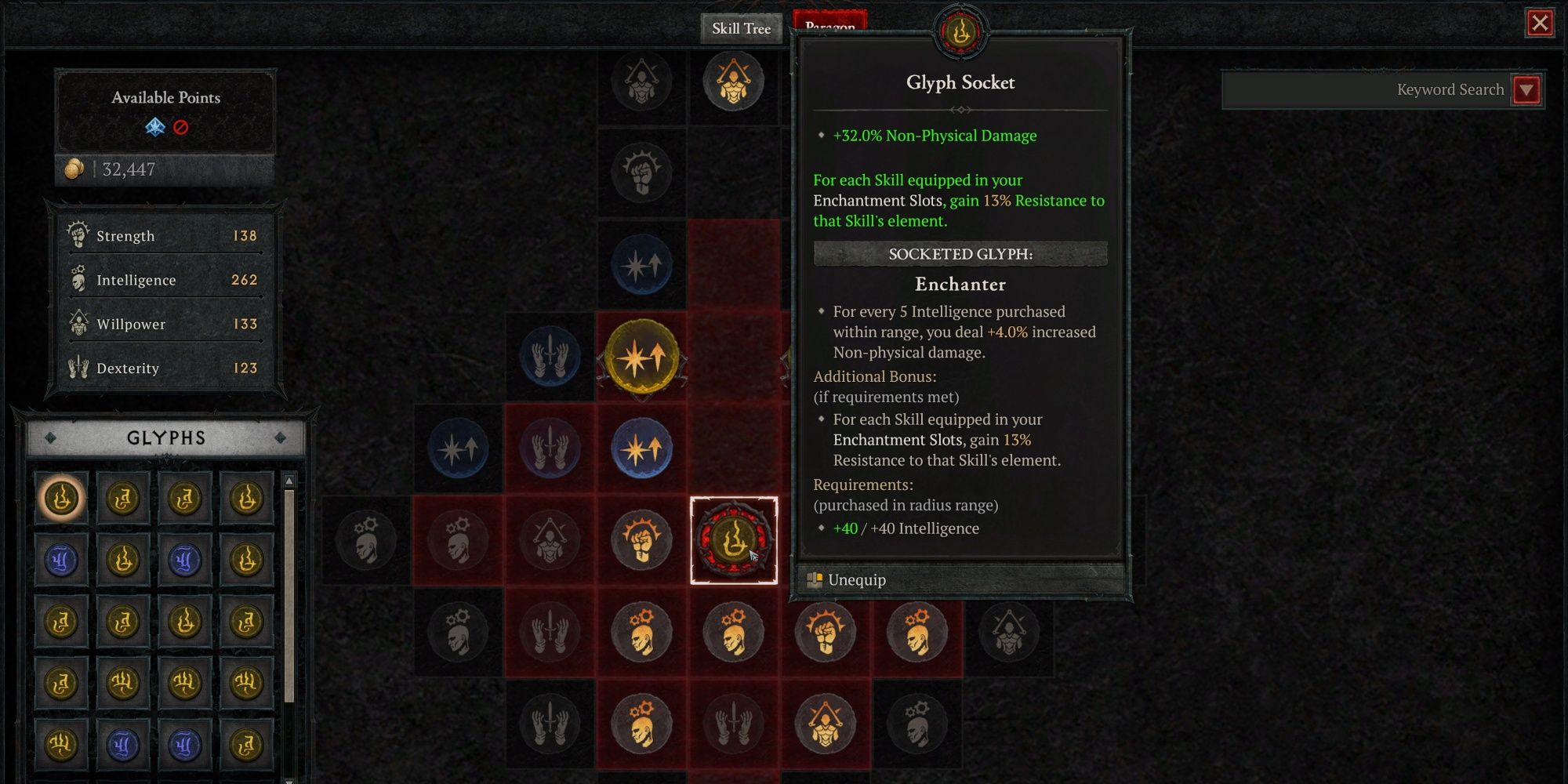
3. Utilize Glyphs: As you advance, you’ll encounter Glyph sockets. These sockets allow for the addition of special passive effects or the modification of adjacent nodes, adding additional versatility and customization to your build.
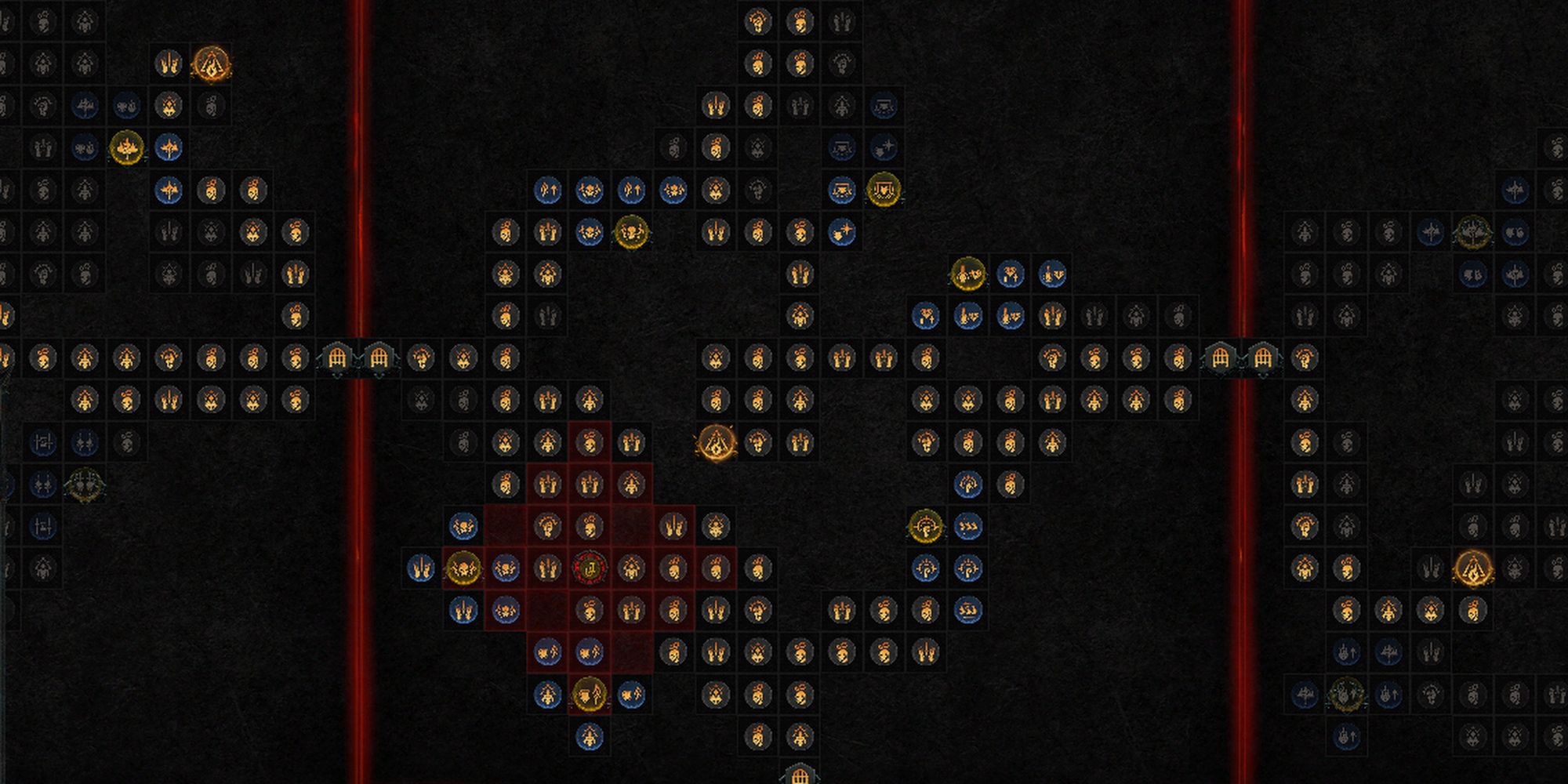
4. Gate Tiles: Upon reaching the border of a board, you’ll encounter a Gate tile. This tile provides a significant stat bonus and enables you to attach an additional Paragon Board, thereby expanding your character’s potential enhancements.
5. Diversify Your Nodes: Focus primarily on your core stats while also diversifying your selection of nodes across the different types (Common, Magic, Rare, Legendary). This diversification can provide necessary utility alongside damage or defense enhancements.
6. Experiment and Adapt: Don’t hesitate to try out various node combinations. With the accumulation of more points and access to new boards, refine your strategy to align with your personal playstyle and the challenges you face.
Tips for Progression
– Plan Ahead: Familiarize yourself with upcoming available boards and the nodes they possess to optimize your strategic decisions early on.
– Focus on Specialization: Invest in specialized boards that complement your character’s class and build for the greatest efficiency in enhancing your gameplay.
– Balance and Flexibility: Strive for a balanced build while ensuring it remains adaptable to tackle the diverse challenges and scenarios prevalent in the game.
By gaining a thorough understanding of the Paragon Board system and making informed point allocations, players can significantly bolster their character’s capabilities and performance in Diablo IV. This strategic depth adds a layer of customization that can greatly affect gameplay, positioning you for success in endgame content.


Leave a Reply