
Managing tiles efficiently in Dorfromantik is indeed crucial for achieving high scores and enjoying a prolonged gaming experience. Here is a comprehensive breakdown of strategies that can help you make the most of your limited tiles:
1. Perfect Tile Placements
– Earning Extra Tiles: One of the key rewards for mastering tile placements is obtaining additional tiles. Whenever you achieve a perfect fit by matching all six edges of a tile, you earn a bonus tile. This becomes vital as you run low on resources, allowing you to expand your playing area and continue pursuing quests.
– Identifying Placement Opportunities: Carefully analyze both the tile you are placing and its adjacent tiles on the board. Pay attention to the edges, and utilize the preview feature to gauge how your next tile can align with your existing layout. This foresight can significantly enhance your chances of bagging those important perfect placements.
2. Quest Management
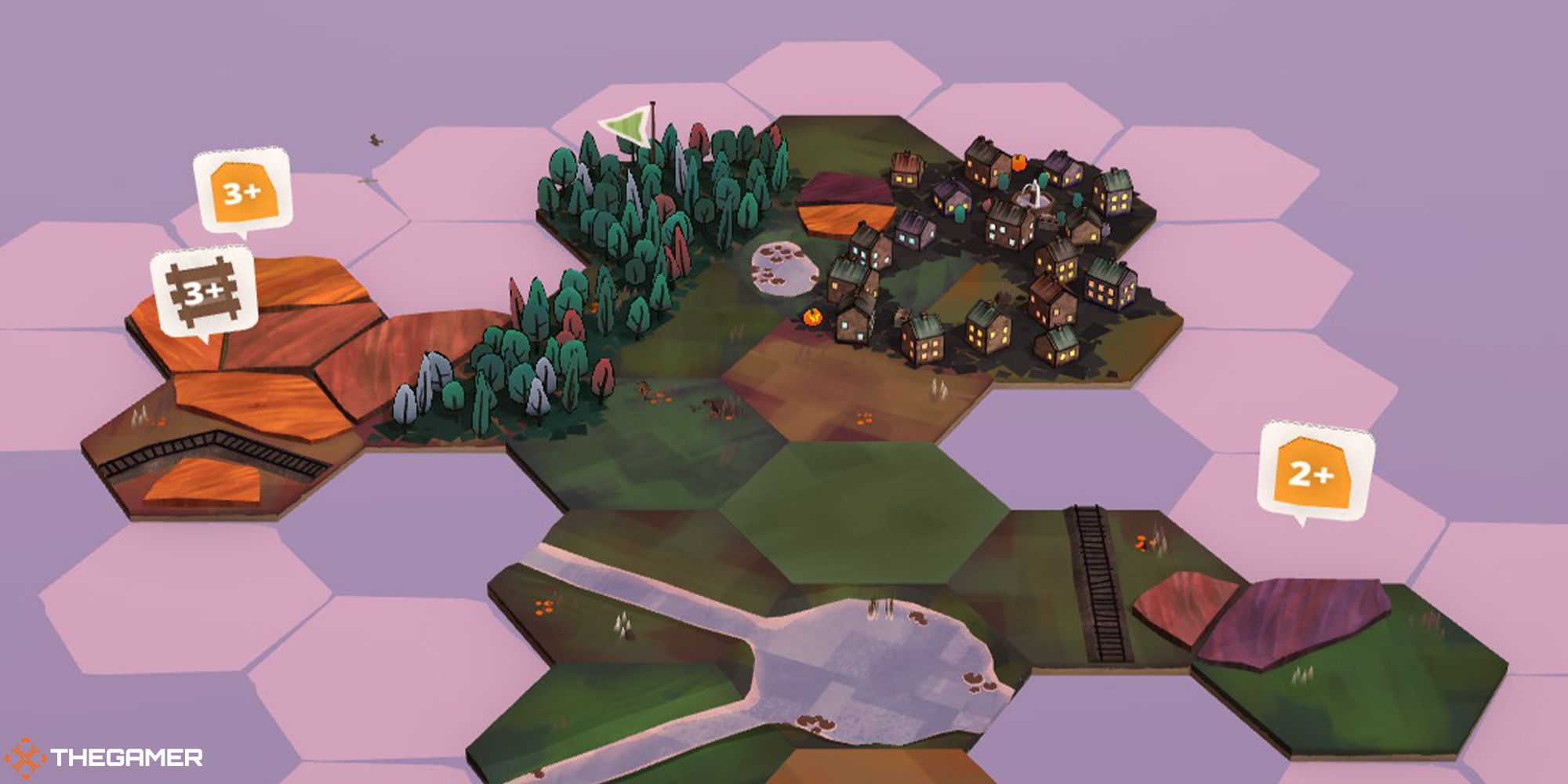
– Prioritize Beneficial Quests: As quests are your primary path to earning more tiles, identify and focus on those that are nearing completion or offer higher tile rewards. Triangle quests are particularly lucrative, so giving them precedence can boost your tile reserve and help clear the board more efficiently.
– Strategically Fail Quests: Since failing a quest imposes no penalties, don’t hesitate to abandon quests that do not align with your current strategy. Early identification and failure of non-essential quests can free you from unnecessary constraints, allowing you to pivot and focus on more advantageous opportunities.
3. Tile Utilization
– Maximize Every Tile: Every tile is an asset; even those that don’t perfectly fit your current design can be strategically used. If a tile doesn’t fit seamlessly in your main city, consider utilizing it in a secondary area. This keeps your progress steady and prevents stagnation.
– Fill Unutilized Areas: Use tiles that don’t directly contribute to quest completion wisely by filling gaps in your landscape. Completing smaller sections or less critical areas can still maintain a visually appealing board and optimize space.
4. Stack Management
– Track Your Tile Inventory: Always keep an eye on the number of tiles you have left. This awareness will guide your decision-making process regarding tile placements and quest priorities. Planning ahead based on your remaining tiles can help mitigate any risk of running out at a critical moment.
5. Embracing Versatile Tiles
– Utilize Versatile Tiles: Tiles with varied edges can be tricky but are often rewarding due to their versatility. These tiles may not only help with perfect placements but can also adapt to different sections of the board, thereby facilitating quest completions or expansions in multiple directions.
6. Balancing Progress
– Achieving a Balanced Approach: It is essential to strike a balance between advancing in quests, reaching perfect placements, and keeping your board organized. This equilibrium allows for flexible gameplay and enhances your ability to manage your limited resources effectively.
Conclusion
By employing these strategic approaches, you can optimize your tile management in Dorfromantik. With calculated placements, efficient quest management, and thoughtful tile utilization, you will enhance your chances of scoring higher and extending your gameplay significantly. Enjoy crafting your landscapes while mastering the art of tile management!
-session-complete-score-(right).jpg)

:strip_icc()/pic7855222.png)

Leave a Reply