
To ensure a well-organized and manageable landscape in Dorfromantik, it’s essential to follow certain strategies that promote efficiency and coherence. Here are detailed strategies to implement:
1. Group Similar Landscapes Together
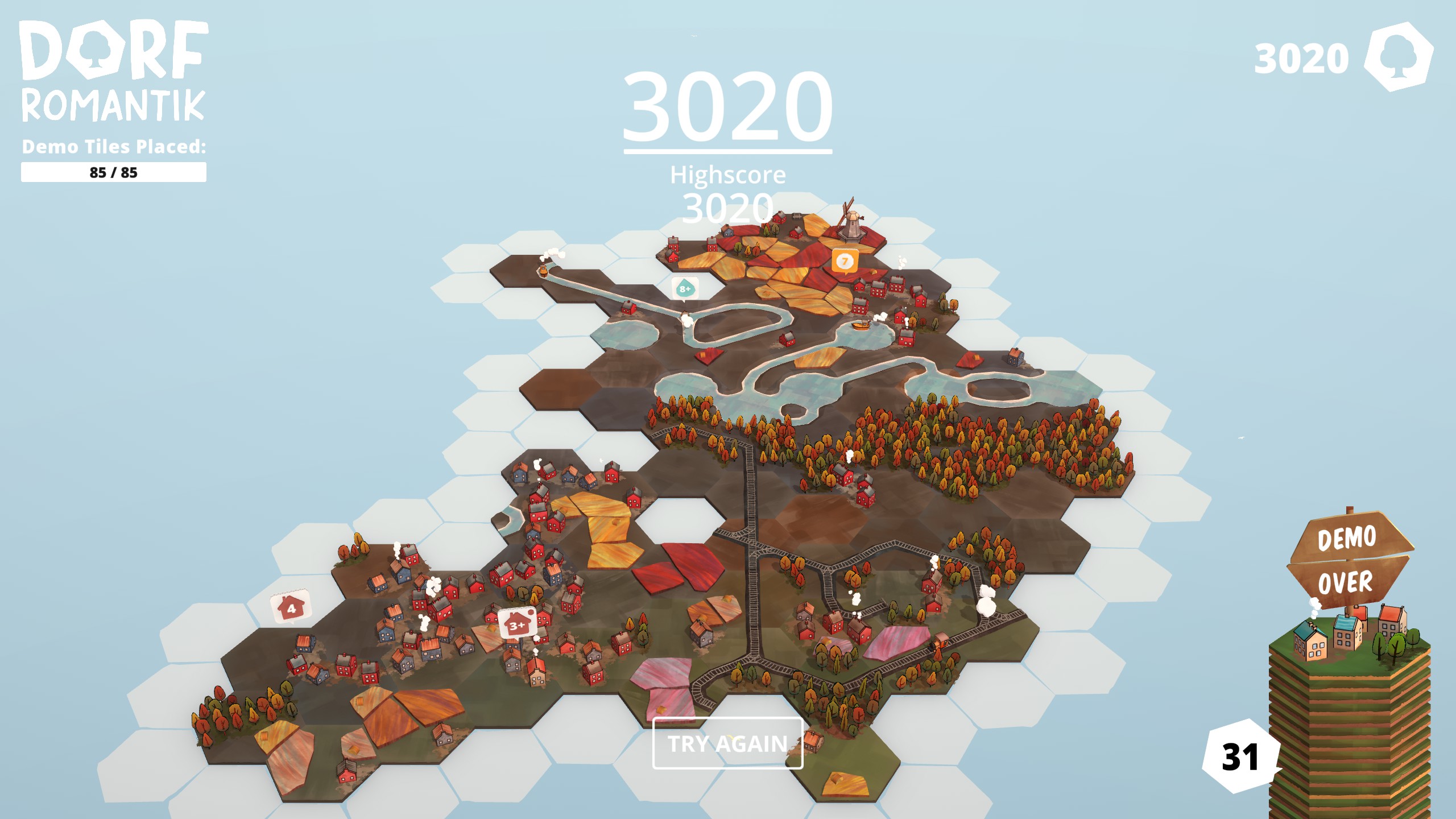
When placing your tiles, focus on clustering similar landscape types such as forests, fields, and rivers. This helps create significant regions that allow for more efficient expansion. For example, having a large contiguous area of forests can facilitate future growth of this type while also promoting interactions with other landscape types. Avoid isolating these groups too much; instead, create buffers that allow for future integration with adjacent landscapes. By keeping forests near fields or rivers, they can more easily transition into diverse and richly developed areas.
2. Use Tiles Efficiently
Maximize the potential of each tile you place. Consider whether a tile can contribute to an existing landscape or if it would be better positioned to form a new one that might integrate with others later. Filling gaps with mismatched tiles can help connect disparate landscape groups and minimize fragmentation. Always evaluate the synergy of your new tiles to ensure they enhance rather than disrupt the overall cohesiveness of your landscape.
3. Follow Natural Boundaries
Utilize tiles that have built-in natural boundaries—like rivers or railroads—to guide your expansions. These tiles can serve as connectors between various landscape features, making it easier to create a cohesive landscape. For instance, placing a river tile close to a village ensures that the houses are integrated within the flowing natural feature, enhancing visual continuity and functional connections between different elements of your landscape.
4. Manage Quests Strategically
Pay attention to the specific requirements of quests and ensure that the completion of these quests contributes to your overall landscape rather than creating isolated areas. For instance, if you need to place a windmill that requires adjacent grain fields, position it in such a way that enhances surrounding groups rather than separating them. Use completed quests strategically to bolster existing areas and encourage growth in a logical and integrated manner.
5. Plan Ahead
Look to the horizon as you place tiles and think about how future placements will interact with your current landscape. This foresight will help you avoid creating isolated pockets of landscapes that can later complicate management. Maintain a balanced distribution of tile types to keep options open for future expansions, allowing for a more dynamic and manageable territory as new tiles are drawn.
6. Maintain Flexibility
Be willing to adapt your plan as new tiles become available. Sometimes, you may draw a tile that doesn’t perfectly fit your current landscape scheme—embrace this challenge as an opportunity for creativity. Adjust your placement strategies to integrate new tiles effectively into your existing landscape, ensuring that you maintain coherence while pushing forward with growth.
By adopting these strategic approaches, you can cultivate a more interconnected and manageable landscape in Dorfromantik, enhancing both your gameplay experience and your ability to create a visually appealing environment.

Leave a Reply