
Utilizing Tile Edges for Optimal Connections in Dorfromantik
Dorfromantik is a strategic tile-placement game where successfully connecting tiles is essential for maximizing scores and completing quests. Understanding and effectively using tile edges is fundamental to achieving these goals. Here’s a detailed guide on how to utilize tile edges effectively.
Understanding Tile Edges
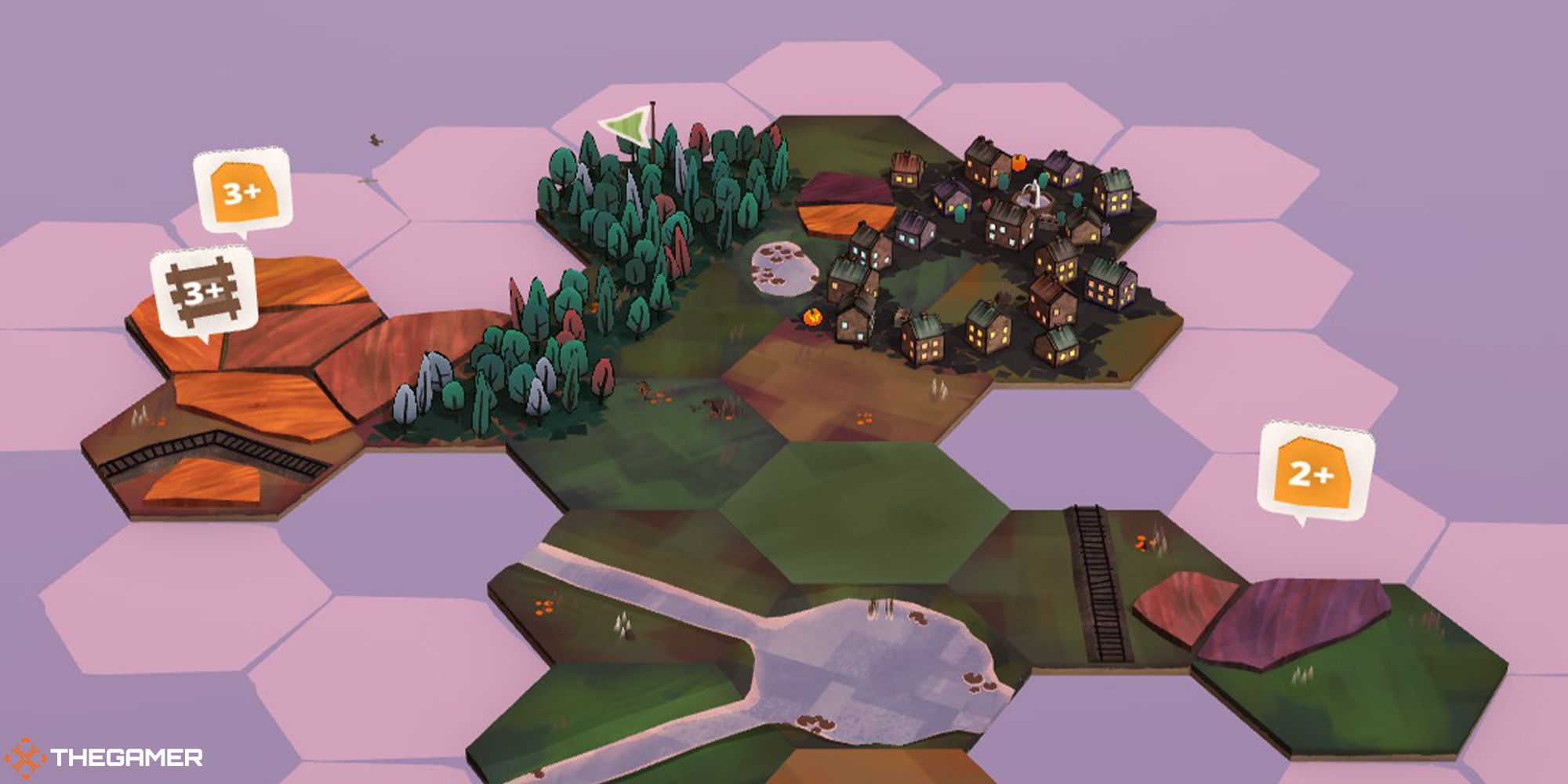
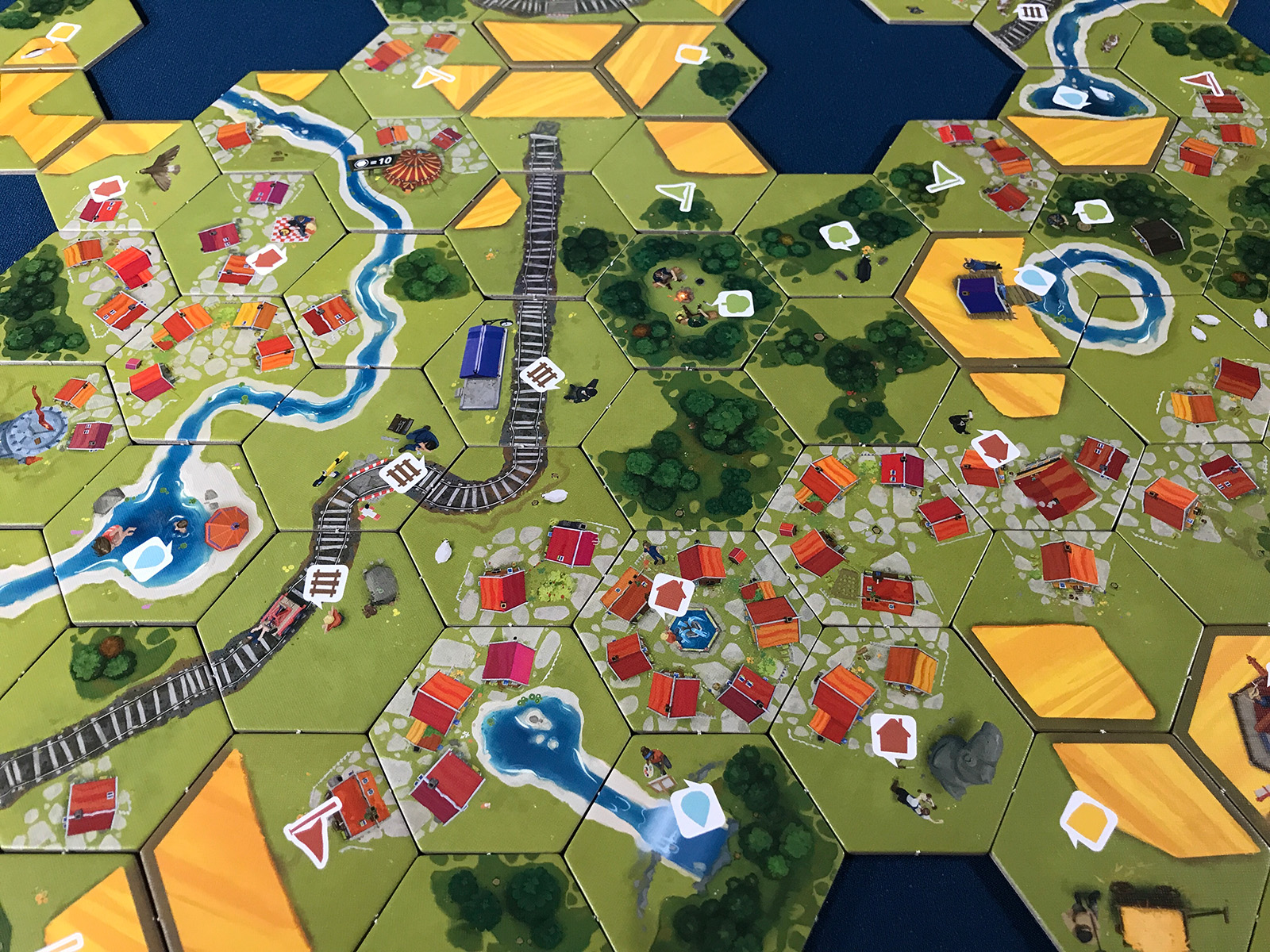
– Tile Features: Each tile in Dorfromantik is characterized by six edges, each showcasing varied geographical features such as houses, trees, fields, water, and tracks. For maximum scoring potential, these features must align correctly when tiles are placed[3][4].
– Feature Colors: As you hover over potential tile placements, the game highlights the edges that match the existing board features with distinct colors—red for houses, green for trees, yellow for fields, blue for water, and brown for tracks. This color feedback is invaluable for quickly identifying if a tile will fit well[4].
Techniques for Optimal Connections
1. Matching Edges: Aim for a perfect fit by matching all six edges of the new tile with adjoining tiles. Achieving this gives a significant reward of 60 points, with each individual matching edge contributing 10 points to your score[4].
2. Using Visual Feedback: Pay close attention to the real-time visual cues while selecting tiles. The illuminated matching parts help in visualizing how well a tile can be integrated into your existing landscape. This feature is crucial for making quick, informed rotations and adjustments for better placement[4].
3. Tile Rotation: Every tile has multiple orientations that can change the arrangement of its edges. Rotate your tiles strategically to find the best fit that maximizes edge connections. Different placements can dramatically impact your scoring[5].
4. Quest Considerations: Some tiles will have special features linked to specific quests, such as a tile that can activate a windmill if it is surrounded by six grain fields. Keep these quests in mind while placing tiles, as they will influence your overall strategy[2][4].
5. Future Planning: Utilize the preview feature located in the bottom right corner of the screen to plan ahead. This allows you to visualize how upcoming tiles can be placed and encourages foresight in your tile connections[4].
6. Edge Patterns: Stay aware of common edge patterns to avoid poor placements. Developing an understanding of these patterns will enable proactive decision-making for tile placements[1].
Tips for Success
– Strategic Quest Management: It’s acceptable to abandon quests that are particularly challenging. New quests will surface as you progress, so focusing your energy on manageable tasks can keep your game moving forward[4].
– Thoughtful Expansion: When expanding your landscape, envision how each tile contributes to the overall coherence of your map. Strive for a balanced and interconnected layout that supports both scoring and quest completion[2][4].
By implementing these strategies and utilizing the game’s visual tools, you can forge optimal tile connections and enhance your gameplay experience in Dorfromantik. Remember, planning and adaptability are crucial to achieving high scores and completing challenging quests. Happy building!
-session-complete-score-(right).jpg)


Leave a Reply