
Exploring the Structure of Dragon Age: The Veilguard
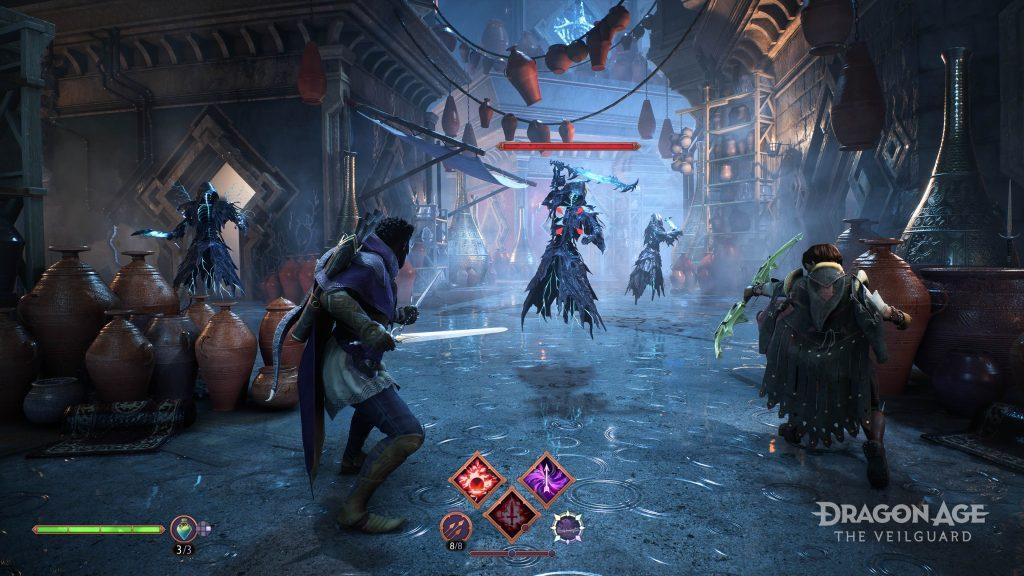
Dragon Age: The Veilguard presents a unique blend of gameplay elements, combining a semi-open-world exploration experience with linear, mission-based progression. This hybrid design invites players to immerse themselves in the world of Thedas while adhering to a structured narrative. Below, we delve into the key components that shape this gameplay experience.
Semi-Open-World Structure
Exploration Opportunities
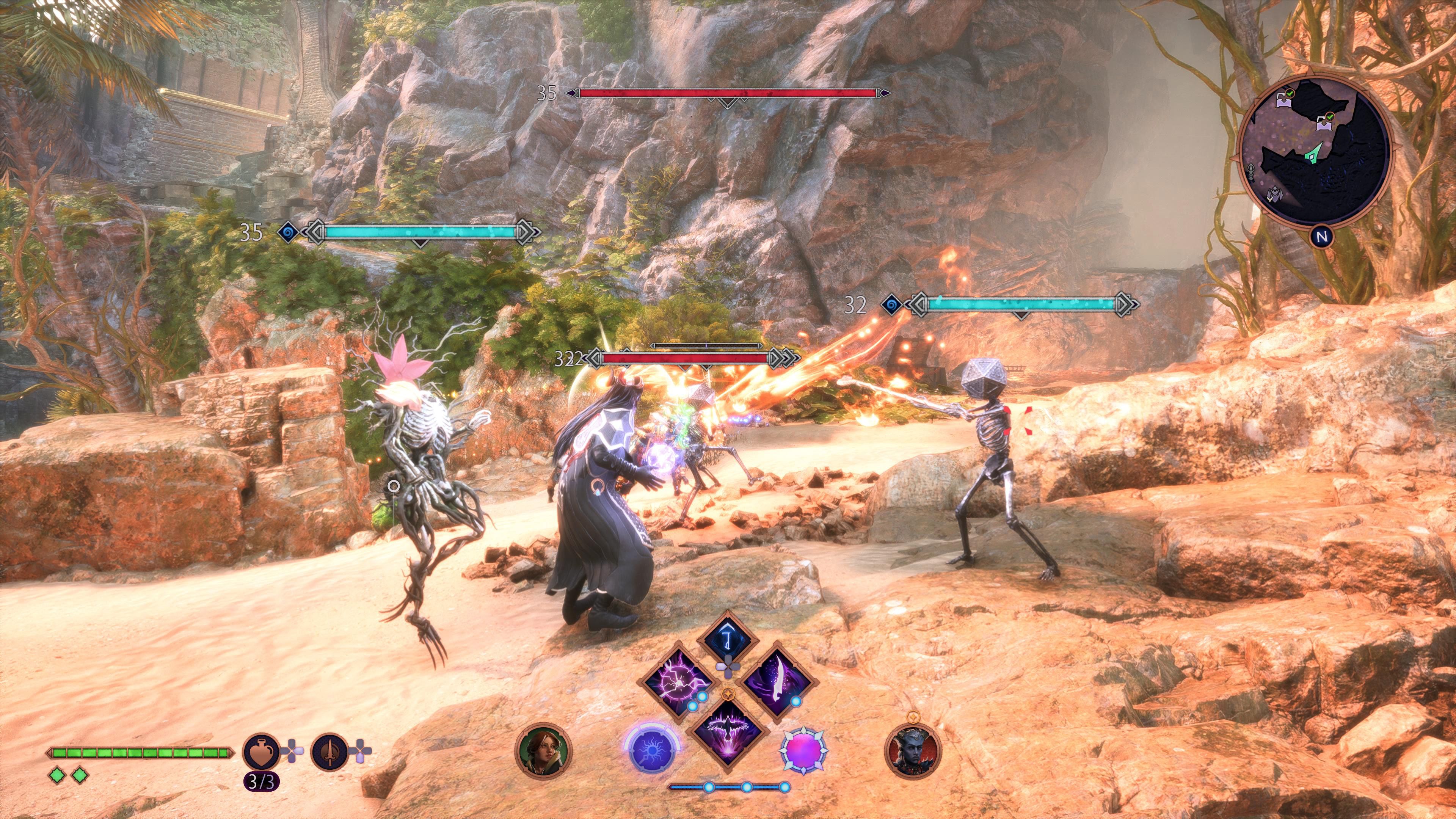
The game features carefully crafted smaller open areas, such as the enchanting Arlathan Forest and the mysterious Hossberg Wetlands. These zones allow for player-driven exploration, letting adventurers uncover hidden secrets, gather resources, and engage with the environment in meaningful ways, enhancing the sense of discovery typical to the Dragon Age series.
Narrative-Driven Missions
At its core, Dragon Age: The Veilguard retains a linear mission-based structure where players progress through a clearly defined storyline. As they complete missions, players unlock new areas that expand the game world, reminiscent of the more traditional design found in earlier titles like Dragon Age: Origins. This balance between structured storytelling and exploration creates a compelling narrative journey.
Player Autonomy
Despite its linear framework, the game emphasizes player autonomy. This is evident through various avenues where players can choose how to tackle quests. Players are encouraged to explore multiple paths, uncover hidden solutions, and discover optional content that enriches their experience and deepens their connection to the game’s world and characters.
Linear Elements
Mission-Based Progression
The story unfolds through a set narrative that guides players, presenting specific objectives that must be achieved. This linear progression ensures a focused experience, maintaining momentum in the storytelling while keeping players engaged in their quest to save Thedas.
Curated Experience
The design philosophy behind Dragon Age: The Veilguard is heavily curated, allowing developers to refine the player experience meticulously. This approach ensures that each mission and narrative moment is impactful and contributes meaningfully to the overall story. Players can expect carefully crafted events that prioritize emotional connection and narrative coherence over sheer size of the game world.
Open Elements
Revisiting Locations
In an interesting twist, the game encourages players to revisit previously explored areas. This feature allows players to undertake side quests or collect items they may have missed during their initial exploration. This aspect of the gameplay fosters a sense of completion and encourages thorough exploration.
Points of No Return
Strategic narrative choices introduce points of no return in the game, instilling a sense of urgency and consequence in player decisions. Certain actions can lead to irreversible changes in the game world, prompting players to complete specific side quests beforehand. This element not only increases the stakes of player decisions but also enriches immersion through meaningful gameplay mechanics.
Conclusion
In summary, Dragon Age: The Veilguard successfully merges linear and semi-open-world elements, providing players with a captivating experience that balances structured storytelling with opportunities for exploration and player-driven choice. By integrating these features, the game caters to both fans of traditional narrative-focused gameplay and those seeking the thrill of discovery in a rich, expansive world. Players can expect an engaging adventure filled with secrets, side quests, and the weight of their choices, all woven into a carefully curated narrative.



Leave a Reply