
In Dragon Age: The Veilguard, Fade rifts are poised to be a significant gameplay feature, continuing the thematic and mechanical lineage established in previous entries like Dragon Age: Inquisition. Here’s a comprehensive look at their expected role and mechanics in the new installment:
Understanding Fade Rifts
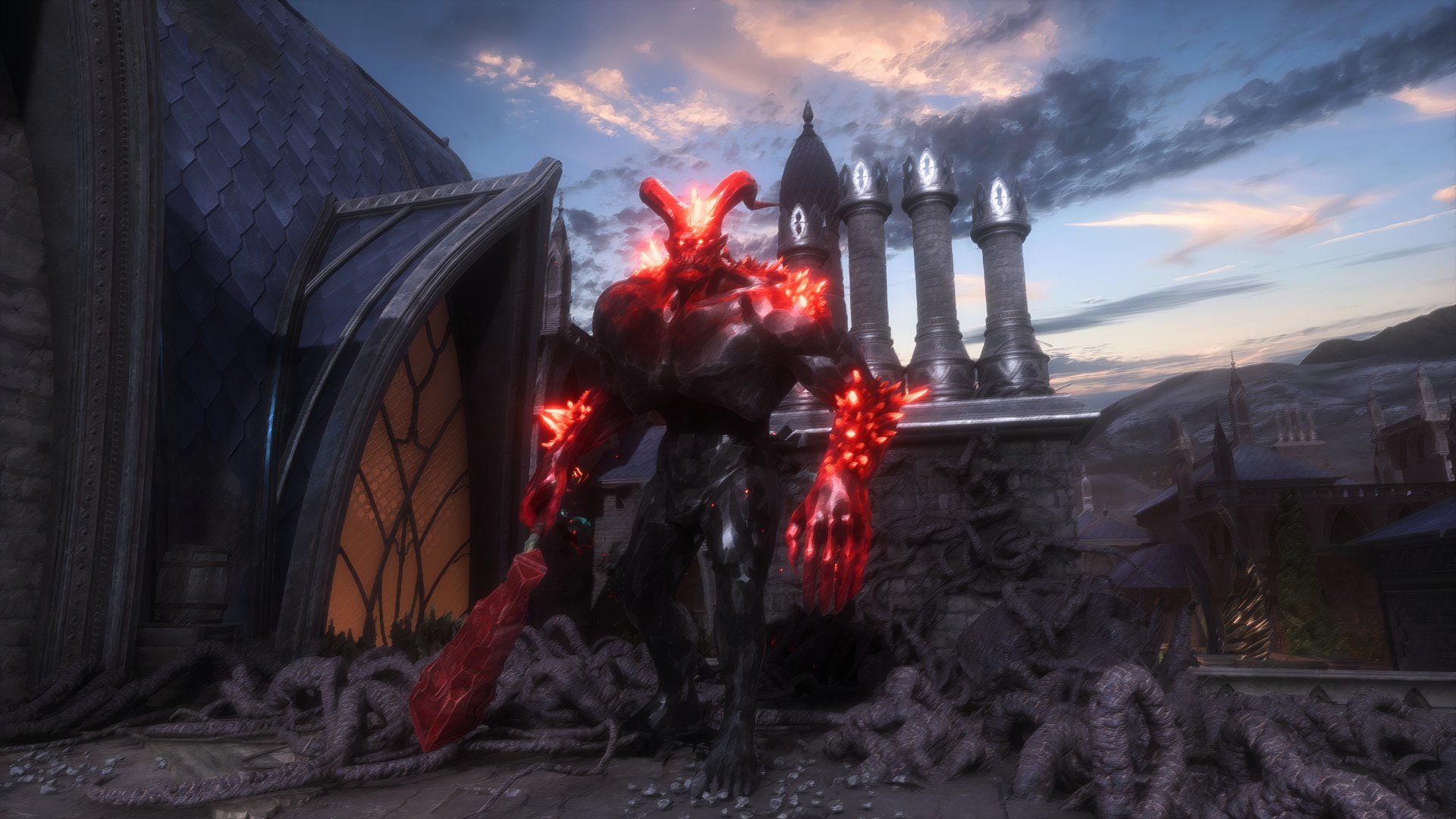
Fade rifts are essentially breaches in the Veil, the boundary that separates the waking world of Thedas from the ethereal realm of the Fade, where spirits and demons dwell. These rifts facilitate the crossing of dangerous entities into the physical world, resulting in widespread chaos and potential destruction. In Dragon Age: Inquisition, closing these rifts was pivotal to maintain stability and prevent the influx of demonic influences.
The Role of Fade Rifts in Veilguard
In The Veilguard, Fade rifts will likely retain their status as a looming threat. Their roles can be delineated as follows:
– World Stability Threat: The rifts could act as conduits for adversaries, enabling them to unleash havoc across Thedas. Players may also uncover new realms within the Fade through these rifts, possibly leading to unique quests or exploration areas.
– Story Progression Mechanism: Engaging with and closing rifts might provide essential insights into the lore of Thedas, especially in the context of Solas’s motives and the overarching narrative concerning the Veil itself.
Mechanics for Closing Fade Rifts in Veilguard
While the specific mechanics for closing Fade rifts in Veilguard are not fully disclosed, we can extrapolate from Inquisition to anticipate similar foundational elements:
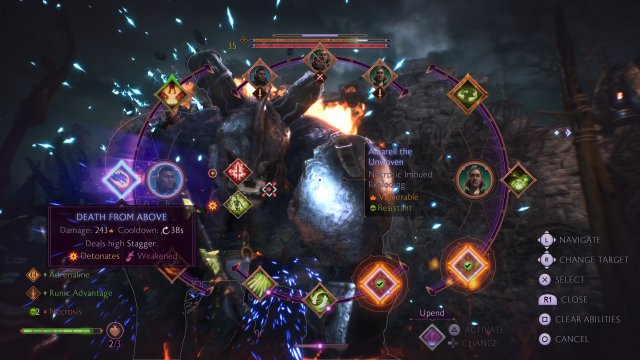
– Combat Engagement: Players will likely be required to confront waves of demons and potentially corrupted spirits that emerge from the rifts. Teamwork with companions will be integral to manage the onslaught and strengthen the overall experience.
– Utilization of Powers: Players might use unique magical abilities or artifacts, akin to the Anchor featured in Inquisition, to seal the rifts. These abilities could be tied to the protagonist’s character class or chosen specialization.
Expected Gameplay Mechanics
Although Veilguard has yet to offer exhaustive information on all gameplay mechanics, several elements can be anticipated:
– Exploration and Combat: Closing Fade rifts will involve engaging in combat scenarios that necessitate tactical thinking and strategic use of spells and abilities.
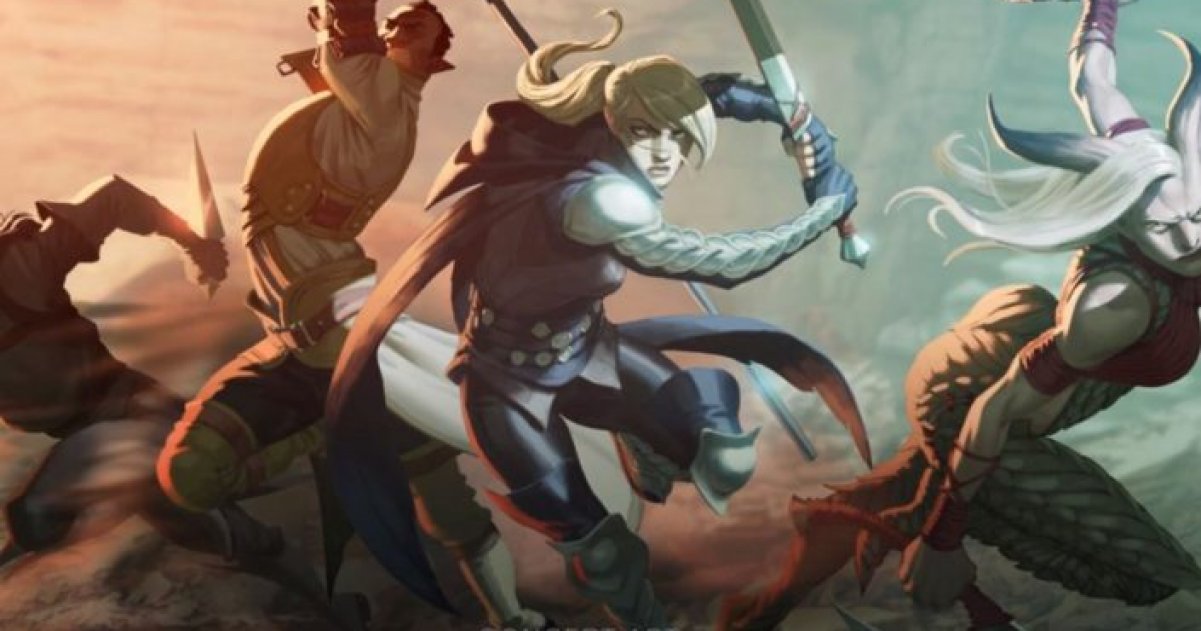
– Companion Dynamics: The inclusion of companions may allow for varied strategies in tackling the rifts, enabling different playstyles depending on the characters chosen for support during encounters.
Potential Changes and Innovations in Veilguard
Since Veilguard takes place after the events of Inquisition, we can expect innovation in how players interact with and close Fade rifts:
– New Mechanics and Abilities: The game may introduce fresh abilities for the player character that reflect character growth and changes to the world’s magic systems following the prior games.
– Narrative Influences: The story might integrate new twists that not only alter how rifts are approached but also how their closure impacts the overarching narrative.
Conclusion
As continued discussions and guides emerge closer to the game’s release, players eager to master the intricacies of closing Fade rifts in The Veilguard are encouraged to stay informed through in-game tutorials and community resources. The evolving mechanics and rich narrative promises to deepen players’ engagement with the lore of Thedas while upholding the essential combat-driven gameplay the series is known for.


Leave a Reply