
Microsoft Flight Simulator 2024: Airport Types and Landing Procedures
Microsoft Flight Simulator 2024 categorizes airports into various types based on their operational capabilities, features, and size. Understanding these categories enhances the flying experience, especially for those looking to master diverse landing techniques across different environments. Here’s a comprehensive breakdown of these airport types along with their respective landing procedures.
—
1. Default Airports
A. Hand-Crafted Small Airports
– Examples: 42B Goodspeed (CT), 40I Red Stewart (OH), CA84 Torrey Pines (CA), KSYN Stanton (MN).
Features:
– Custom-designed hangars displaying regional signage and logos.
– Ground layouts tailored for glider operations, also accommodating General Aviation (GA).
– Detailed ground markings and static objects like historical structures, enhancing the immersive experience.
Landing Procedures:
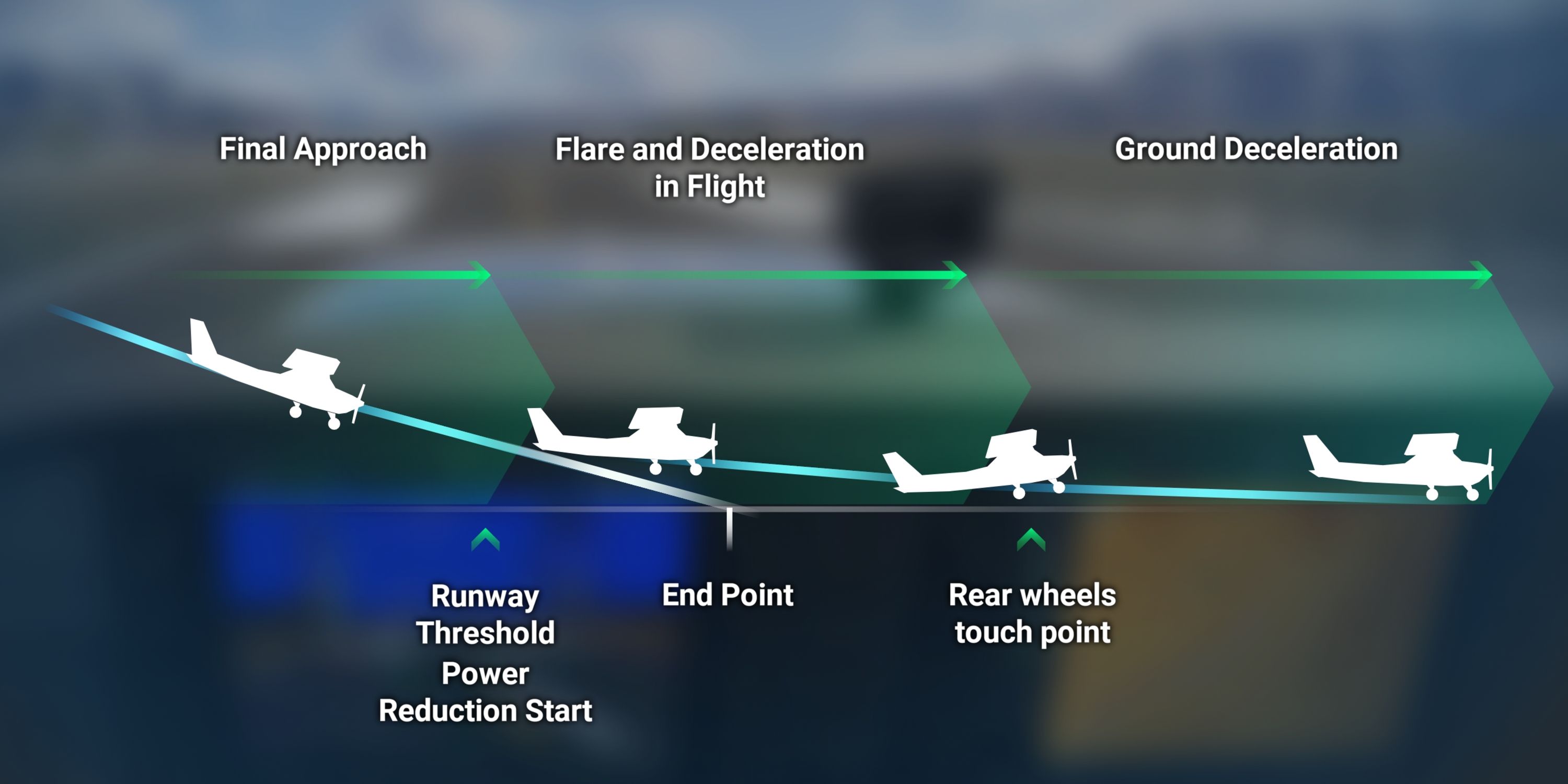
– Approach: Pilots will use visual patterns for landing approaches as Instrument Landing System (ILS) is not available.
– Runway Characteristics: Typically feature short runways (1,500–3,000 ft) that might be unpaved or asphalt.
– Ideal Aircraft: Best suited for slow General Aviation aircraft such as the Cessna 172 or gliders.
—
B. Upgraded Major Airports
– Examples: KORD (Chicago O’Hare), EHAM (Amsterdam), OMDB (Dubai).
Features:
– Enhanced terminal modeling highlighting intricate taxiway layouts.
– Integration of jet bridges, dynamic lighting, and accurately placed parking spots for realism.
Landing Procedures:
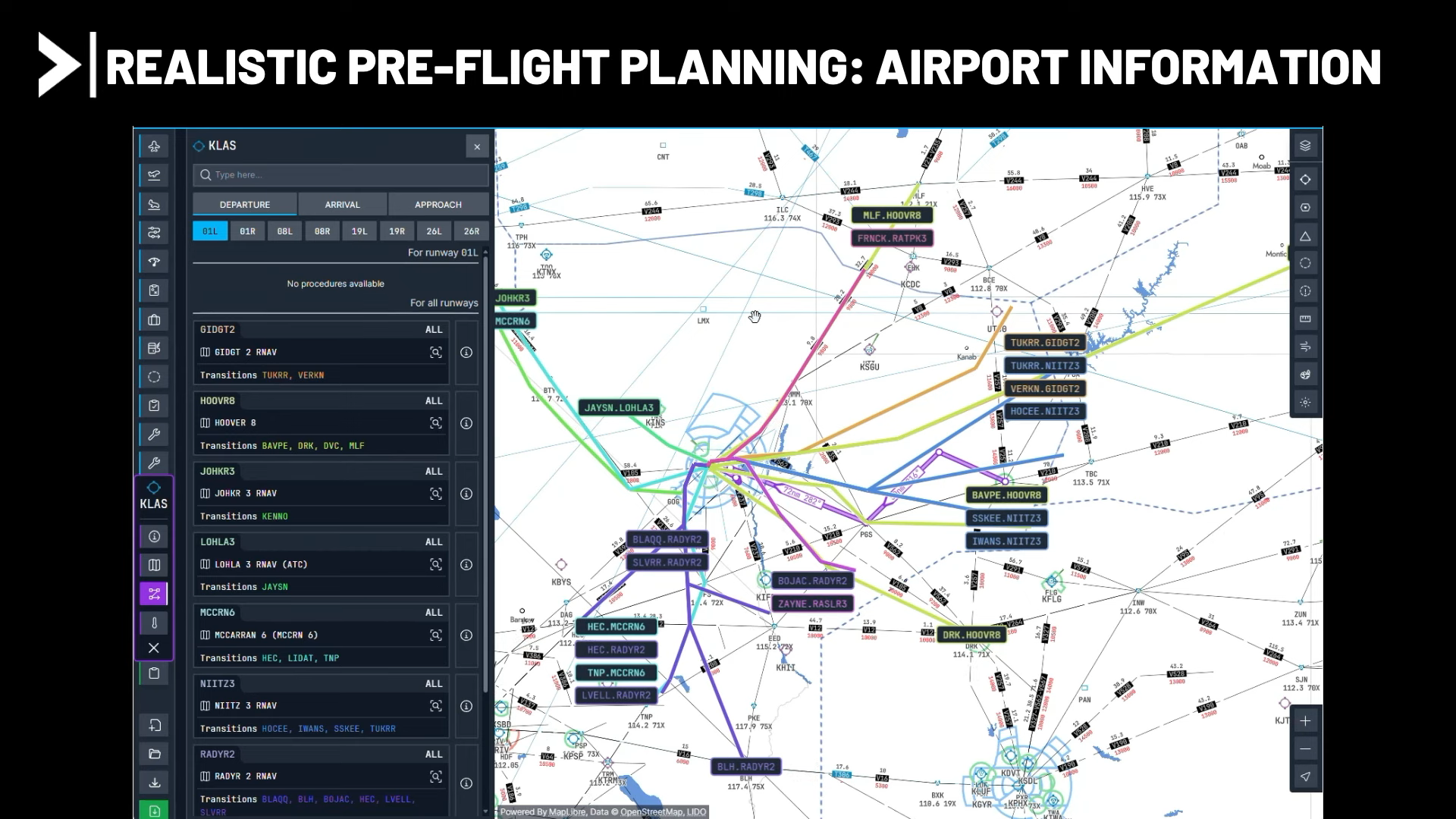
– Approach: ILS or other navigational aids like VOR and RNAV are available, providing support for precise landings.
– Runway Characteristics: Long, paved runways (e.g., KDEN boasts a 16,000 ft runway) suitable for commercial flights.
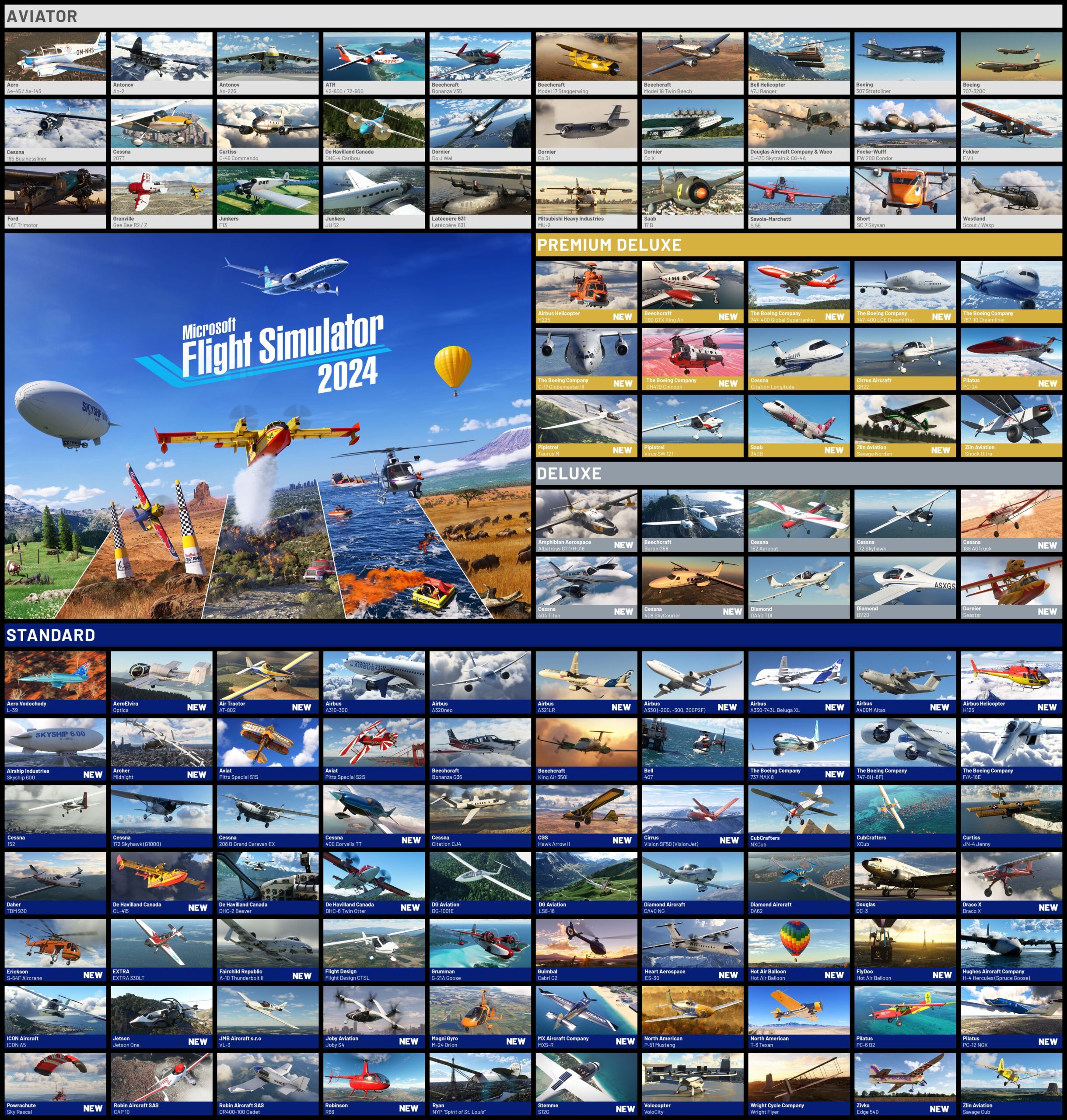
– Ideal Aircraft: Tailored for use with commercial jets, including the Boeing 787-10, particularly popular in the Premium Deluxe edition.
—
2. User-Created Airports
Sources:
– User-generated content from platforms like Flightsim.to, featuring a wide range of airports including military bases, bush strips, and international airports.
Features:
– Quality varies significantly, from highly photorealistic recreations (like OMDB mods) to basic airstrips with simpler details.
– Customizations may include static aircraft and ground services unique to each user-created airport.
Landing Procedures:
– Approach: Pilots should consult included charts which often accompany scenery descriptions for the best approach guidance.
– Runway Characteristics: Varied lengths and surfaces, with some being gravel strips perfect for bush flying adventures.
—
3. Specialized Airports
A. Glider-Centric Airports
– Examples: 4NY8 Harris Hill (NY), 1CD4 Eagle Soaring (CO).
Landing Procedures:
– Requires careful energy management with no powered approaches allowed, emphasizing pilot skill.
B. Bush Strips
– Typically located in remote regions such as Alaskan airstrips, which are common in freeware resources.
Landing Procedures:
– Utilize short-field techniques tailored for STOL (Short Takeoff/Landing) capable aircraft to land on shorter, often unpaved strips.
—
Landing Guide by Airport Type
| Airport Type | Approach Method | Key Techniques | Ideal Aircraft |
|——————–|———————————–|————————————————-|——————————–|
| Small GA | Visual Traffic Pattern | Soft-field landing, crosswind correction | Cessna 152/172, DA40 NG |
| Major International | ILS/VOR | Autopilot-coupled descent, flap timing | A320neo, 787-10 |
| Glider | Winch/Aerotow Release | Speed-to-fly theory, spoiler use | ASK-21, DG-1000 |
| Bush | STOL Approach | Minimal flap use, aggressive braking | C208B Grand Caravan |
—
Pro Tips for Pilots
1. Check Scenery Details: Be aware of airport specifics such as local elevations (e.g., challenges at CA84 Torrey Pines due to nearby cliffs).
2. Manage Passive Traffic: Ensure AI aircraft configurations reflect factual airport setups; adjustments can be made in settings for realism.
3. Edition Differences: Premium Deluxe editions offer additional airports (like EGLL – Heathrow) with enhanced night lighting and overall visual fidelity.
Understanding these classifications and procedures forms the foundation of navigating the skies in Microsoft Flight Simulator 2024 efficiently and enjoyably. Prepare for a diverse and immersive flying experience as you explore the vast array of airports available, each presenting unique challenges and rewards.

Leave a Reply