
Based on the information provided about Microsoft Flight Simulator (MSFS), it’s evident that weather mechanics play a crucial role in the simulation experience, and future versions like MSFS 2025 are likely to build upon the established systems in MSFS 2020 and MSFS 2024. Here’s a detailed breakdown of the current weather systems along with insights into potential advancements in upcoming iterations.
Core Weather Customization Systems
1. Live Weather
– Functionality: This system utilizes real-world METAR data to reflect current atmospheric conditions, with updates occurring approximately every 15-20 minutes. This integration allows for a highly realistic flying experience, capturing changes in wind speed and direction, pressure readings, atmospheric visibility, and other critical flight parameters.
– Impact on Visibility: Live weather can significantly alter visibility conditions, with phenomena such as fog, rain, and snow resulting in drastically reduced visibility, possibly to near-zero levels. Pilots must adjust their approach based on these real-time changes.
– Flight Operations: Under IFR (Instrument Flight Rules) scenarios, pilots will be tasked with consistent instrument monitoring as they navigate fluctuating wind data, and crosswind components can vary dynamically, posing challenges for landing and takeoff.
2. Preset Weather Configurations
– Built-in Presets: The simulator offers a collection of predefined weather options, such as “Clear Skies,” “Light Clouds,” and “Thunderstorms,” which allow users to select fixed weather conditions that do not change over time.
– Visibility Control: Certain presets simulate low visibility conditions, such as “Zero Visibility,” creating scenarios where pilots must rely solely on instruments for navigation, enhancing training scenarios for IFR conditions.
– Stability: Static weather presets are beneficial for training sessions where consistent flying conditions are required, especially for practicing approaches involving specific crosswind and low-visibility configurations.
3. Custom Weather Editor
– Manual Adjustments: Advanced customization allows users to tweak cloud layers (including altitude, thickness, and density), precipitation types (rain or snow), and wind conditions (direction, speed, and gusts) to create tailored weather experiences.
– Flight Physics Considerations: High-wind scenarios (e.g., winds exceeding 100 knots) can potentially cause structural damage, and real-time ice accumulation during freezing precipitation introduces additional risks that pilots need to be aware of.
Third-Party Enhancements (Weather Preset Pro)
Original Version (MSFS 2020):
– Diverse Presets: The initial version featured over 100 specific weather presets, providing users with unique and varied conditions, including extreme weather scenarios like severe thunderstorms and intense sunlight effects.
– Dynamic Challenges: Scenarios such as “Hurricane Conditions” add realism by combining high winds with adverse weather conditions, effectively challenging the pilot’s control skills.
Version 2 (MSFS 2024):
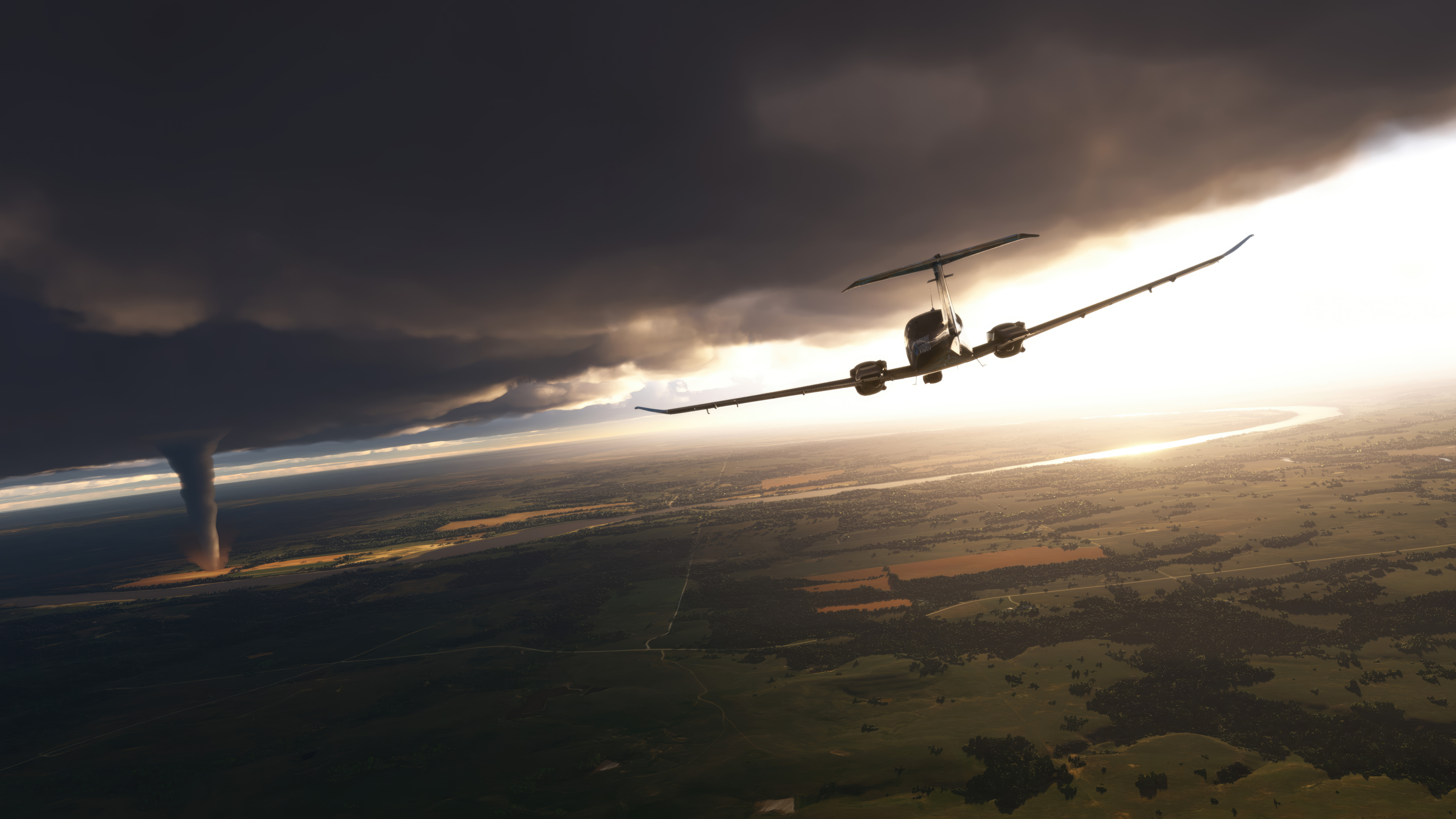
– Expanded Library: This version boasts over 200 presets, introducing more complex weather phenomena such as “Microbursts” and “Supercell Storms,” utilizing an enhanced weather engine for even more realistic cloud behavior and precipitation effects.
– Performance Optimization: New additions are designed to maintain frame rates while offering richer, METAR-like weather profiles, ensuring smooth gameplay alongside realistic environmental conditions.
Operational Considerations
– Visibility Modeling: Accurate modeling of different weather conditions is essential for determining whether VFR (Visual Flight Rules) or IFR operations are appropriate. Factors such as fog density and the altitude of cloud bases can critically affect navigation methods.
– Aircraft Systems: As weather conditions shift, the importance of aircraft systems, such as de-icing features during blizzards, becomes apparent. Pilots need to manage engine performance carefully during adverse weather conditions like sandstorms to avoid Foreign Object Damage (FOD).
– Training Applications: Custom presets enhance the simulator’s utility for training, with features like “Gusty Crosswinds” designed specifically to help pilots practice and improve their techniques for handling challenging landings under variable wind conditions.
Future Directions
For MSFS 2025, we can anticipate a more intricate integration with global weather models such as ECMWF (European Centre for Medium-Range Weather Forecasts), resulting in enhanced accuracy and realism in weather predictions and variations. Additionally, we may see advancements in particle physics for effects such as blowing snow or dust storms, further enriching the immersive experience for pilots. This evolution reflects an ongoing commitment to realism and detail in flight simulation, ensuring that users are not only entertained but also challenged and educated in their flying experiences.



Leave a Reply