
Reputation System in Kingdom Come: Deliverance 2
In Kingdom Come: Deliverance 2, the reputation system serves as a critical element, intricately woven into the fabric of gameplay and narrative progression. It affects how non-playable characters (NPCs) judge and engage with Henry, the protagonist, based on his choices and behaviors throughout various interactions and quests.
Key Components of the Reputation System
1. Reputation Levels
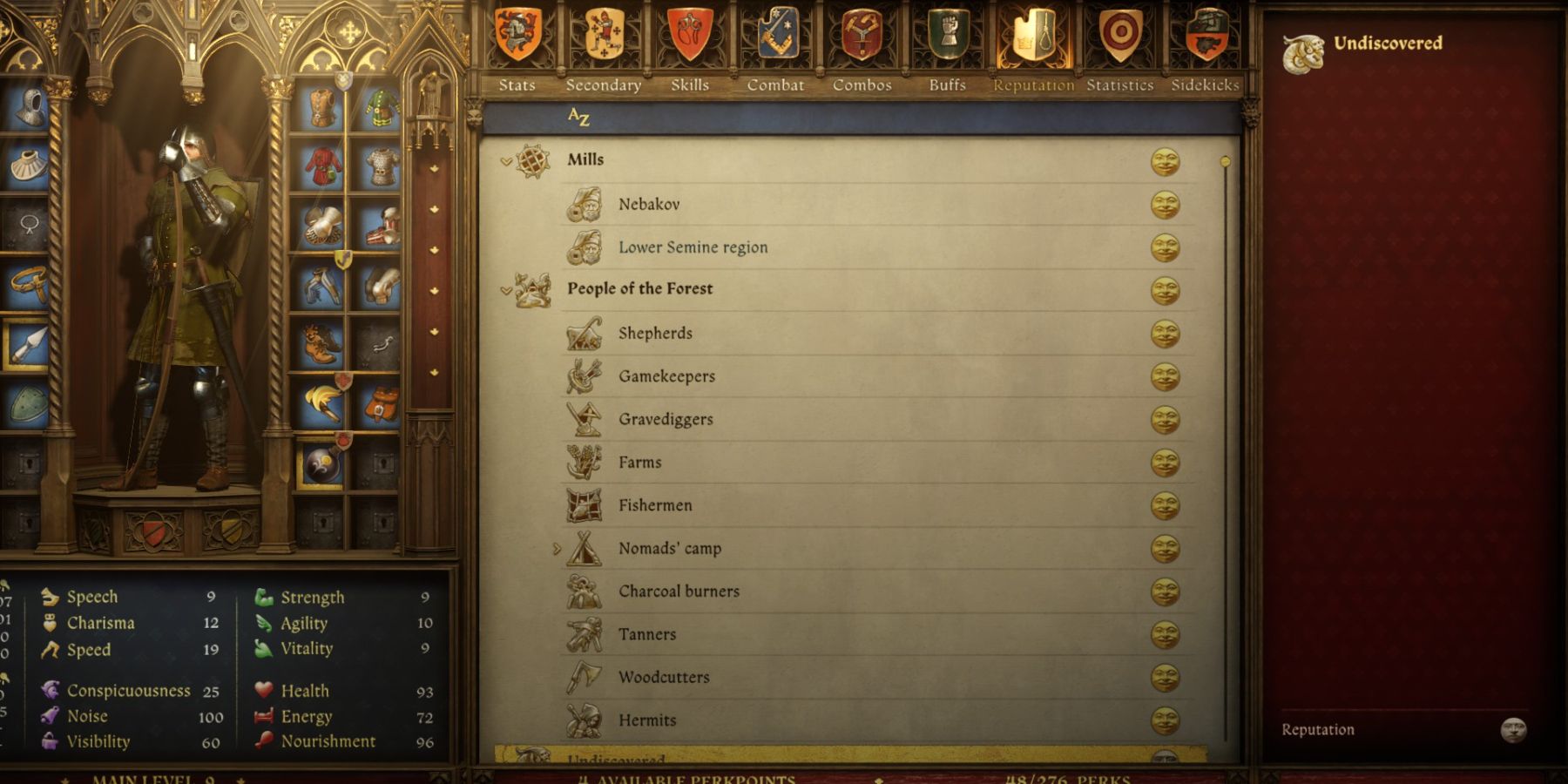
– Each location or faction begins with a neutral reputation score of 100. This score can rise or fall depending on the player’s actions, effectively reflecting their moral standing within that area.
– Reputation is visually represented in three tiers: High (Yellow Smiling Face), indicating favorable standing; Mixed/Average (Orange Neutral Face), representing ambiguous perceptions; and Low (Red Angry Face), suggesting a poor reputation with the local populace.
2. Impact Across Towns and Factions
– Reputation is primarily location-specific but has spillover effects. A negative reputation in one town can tarnish Henry’s standing in nearby locations or related factions, creating a web of consequences that players must navigate.
– Distinct subgroups within a town, such as guards, merchants, and nobility, can possess their own unique attitudes toward Henry. This nuanced approach means that even within a single town, his reputation can vary significantly based on his interactions with different groups.
3. Factors Affecting Reputation
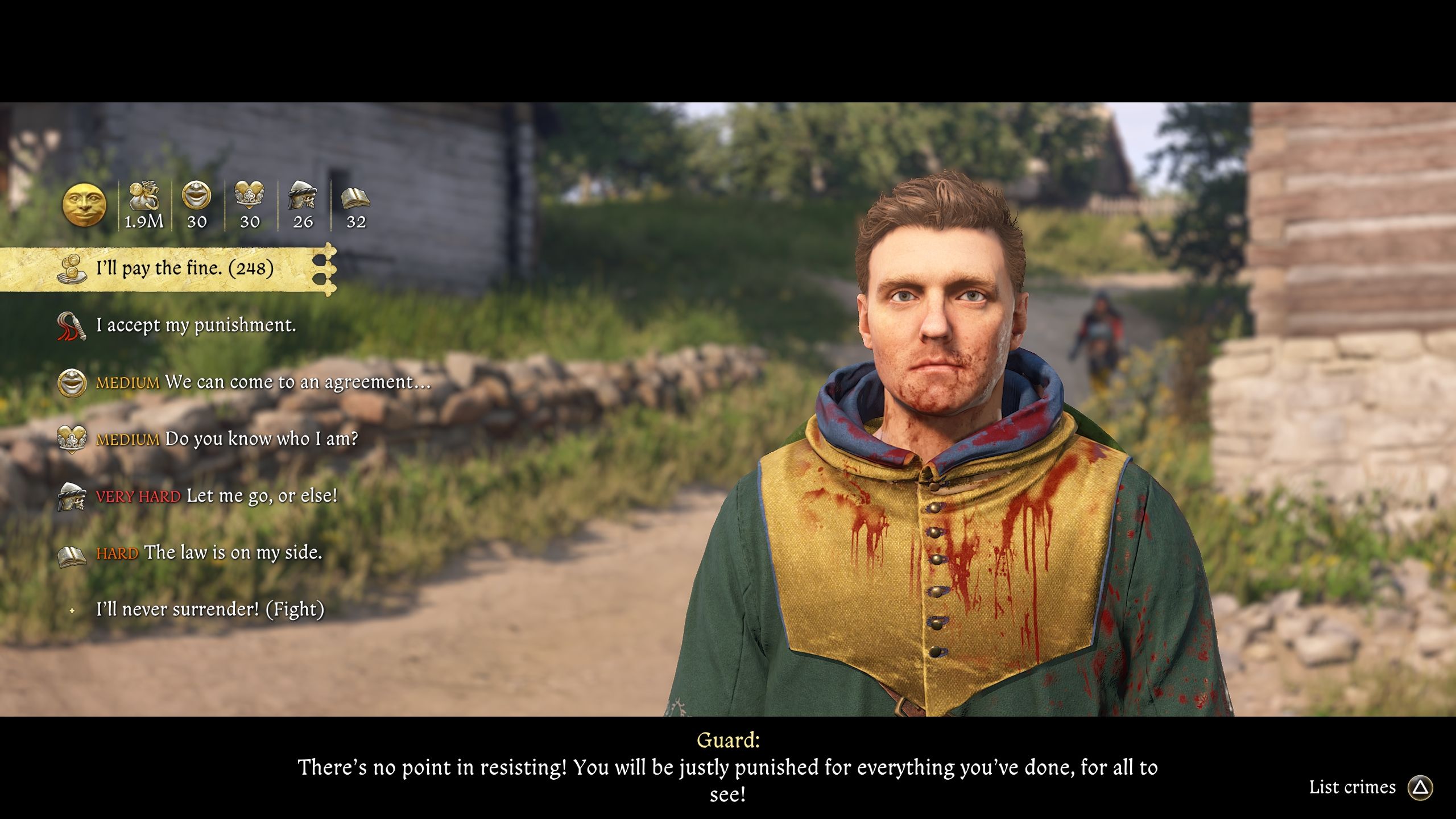
– Actions: Illegal activities, being apprehended by guard patrols, or facing punishments like pillorying will detrimentally affect Henry’s reputation.
– Dialogue Choices: The manner in which Henry converses with NPCs—whether through kindness, threats, or indifference—plays a pivotal role in shaping his reputation.
– Quests and Missions: Completing quests, particularly side quests beneficial to NPCs, can enhance Henry’s reputation. Conversely, failing or neglecting to complete quests can lead to a decrease in reputation points.
4. Consequences of Reputation
– A high reputation can unlock better interactions, new quests, and favorable treatment from townsfolk, possibly even leading to discounts or special items.
– On the other hand, a low reputation may restrict access to certain questlines, result in hostility from townspeople, and cause guards to be more vigilant and aggressive towards Henry.
5. Roleplaying and Choice
– The reputation system promotes immersive roleplaying, necessitating that players carefully evaluate the long-term implications of their decisions. Each action holds the potential to either fracture or build relationships within the game world, encouraging players to adopt diverse strategies and role-playing styles.
Strategy for Managing Reputation
To effectively manage Henry’s reputation throughout his journey, players can employ the following strategies:
– Complete Quests: Prioritize main storylines and secondary quests that align with improving reputation. Helping others and engaging in community-centric tasks can boost perception positively.
– Interact Positively: Approach conversations with NPCs thoughtfully. Actively listen and offer assistance where possible to cultivate a positive rapport.
– Avoid Crimes: Steer clear of unlawful actions to maintain a good standing with local authorities and merchants, which can ultimately lead to a more favorable game experience.
Conclusion
The reputation system in Kingdom Come: Deliverance 2 is a richly integrated feature that enhances the immersive quality of roleplaying elements. Its design emphasizes player agency, ensuring that every decision carries weight and meaning, thereby shaping Henry’s social status across the diverse landscapes of the game world. This intricate interplay of actions and consequences creates a dynamic narrative landscape, making for a memorable gaming experience rooted in choice and consequence.



Leave a Reply