
Navigating the complex narrative and visual landscape of Lorelei and the Laser Eyes involves an intricate interplay of visual cues, storytelling techniques, and gameplay mechanics. Below is a structured breakdown to help players effectively discern between past, present, and surreal environments within the game.
Visual and Artistic Cues
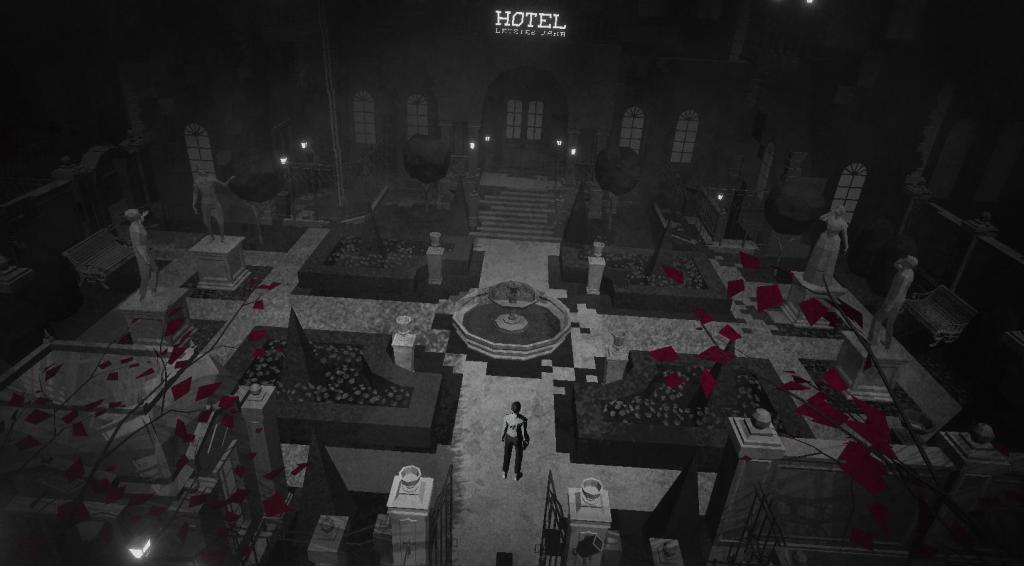
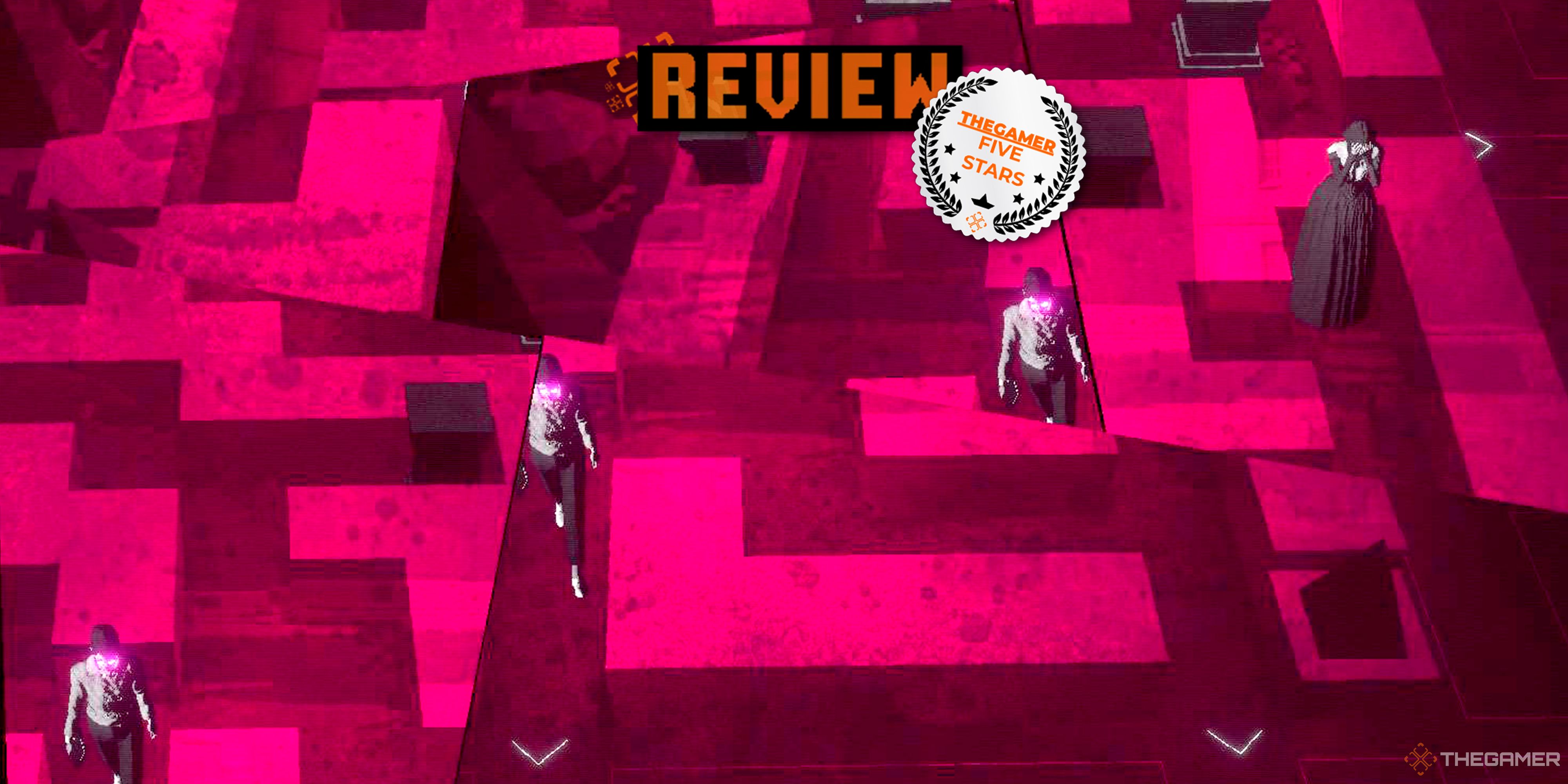
1. Art Style: The game employs a distinctive monochromatic art style, accented by bursts of red and pink hues. These vibrant colors often mark significant clues and transitions, inviting players to consider their meanings. The neon accents serve as indicators of connections to surreal or dreamlike states, enhancing the player’s immersion into the narrative.
2. Environmental Clues: Certain environments may evoke styles from various eras, such as early PlayStation aesthetics or simplistic 1-bit graphics. These shifts not only enrich the visual experience but also provide hints regarding the temporal shifts within the storyline, allowing players to recognize when a narrative transition occurs.
Narrative Clues
1. Dialogue and Documents: Interaction with characters and objects is integral. Engaging with spoken dialogue or reading documents reveals insights into the storyline’s past or present elements. Monitoring these interactions is essential, as they often serve as the key to understanding the timeline and the context of the unfolding drama.
2. Story Fragments: The narrative is purposefully fragmented, requiring players to assemble events from disparate clues. Recognizing how different fragments interconnect is crucial for piecing together the timeline and differentiating between historical context and current events within the game.
Gameplay Mechanics
1. Memory Bank and Notes: The protagonist, Lorelei, possesses an ability akin to “Photographic Memory,” enabling players to recall encounters and hints encountered throughout the game. Utilizing her “Mental Notes” feature allows players to track their discoveries, blending recollection and deduction as they navigate through layers of time and space.
2. Puzzle Solving: Puzzles are ingeniously designed to necessitate the analysis of items from various environments. A clue found in one setting may unlock a solution in another, effectively weaving a narrative that blurs the lines between past, present, and surreal experiences, thereby enhancing the immersive puzzle experience.
Transitional Elements
1. Camera Angles and Perspectival Shifts: Using fixed camera angles reminiscent of classic survival horror titles, the game’s shifts in perspective signal transitions. Changes in viewpoint not only indicate new environments but also signify deeper shifts in narration, pushing players to reassess their understanding of the story context.
2. Interacting with Objects: The tactile mechanics invite players to engage intimately with their surroundings. Close examination of objects can yield insights regarding the nature of the environment, revealing layers of the story that lead to deeper comprehension of past and present dynamics.
Interpretation and Intuition
1. Player Interpretation: A significant portion of the game’s thematic depth is left intentionally ambiguous, allowing players the freedom to interpret various narrative elements. The connection between surreal sequences and their impact on gameplay depends largely on individual perception, making the experience uniquely personal.
2. Non-Linear Progression: The game’s non-linear framework encourages exploration and revisiting areas out of sequence, which can obfuscate the distinctions between past and present. This design choice invites players to piece together the narrative in a manner that fosters engagement and active participation in the story’s unraveling.
Conclusion
In summary, Lorelei and the Laser Eyes is a richly layered experience that challenges players to hone their observational skills, narrative comprehension, and puzzle-solving intuition. Through a meticulous blend of visual artistry, storytelling, and interactive gameplay, the game invites players to deeply engage with and uncover its multifaceted mysteries, skillfully differentiating between past, present, and surreal experiences.



Leave a Reply