
In Metaphor: ReFantazio, the interplay between character relationships and combat mechanics is nuanced yet significant. While the game does not outline direct combat combos associated with character relationships, it is clear that the interaction mechanics and the Archetype system create pathways for enhancing your combat experience through social engagement. The following analysis delves into the relationship dynamics and their indirect effects on combat efficacy.
1. Archetype Progression via Social Bonds
The Archetype system serves as a foundational component, defining class-like roles for characters. As players foster relationships with their party members, these Archetypes become more potent, unlocking new abilities and enhancing the overall combat arsenal. For instance, building a connection with Alonzo, who embodies the Faker Archetype, allows access to powerful skills such as Tarunda, an attack-debuffing spell, after completing his character quest. The underlying principle is that stronger social bonds not only enrich the narrative but also accelerate skill acquisition, empowering players in combat scenarios.
2. Buffs/Debuffs as Relationship-Driven Tools
The mechanics related to buffs and debuffs further illustrate the connection between social interplay and combat capabilities. For example, Tarunda initiates a three-turn debuff on enemies, which can be refreshed if managed correctly. This system suggests that maintaining these buffs could rely on effective teamwork, drawing a symbolic parallel between the durability of relationships and the sustainability of combat advantages. Though not explicitly stated, this mechanic implies that the better the relationships, the more reliably buffs can be maintained, enhancing the team’s collective combat effectiveness.
3. Social Simulator Impact
Incorporating elements reminiscent of Persona games, relationship growth within Metaphor: ReFantazio notably impacts Archetype customization. As players engage in social interactions, they may unlock skill trees more swiftly, facilitating broader tactical options during battle. Importantly, the game’s design does not revolve around traditional romance mechanics. Instead, it focuses on forging deep narrative ties and enhancing combat capacities, indicating that the relationships encourage players to build a cohesive team rather than pursue romantic affiliations.
4. Squad Synergy in Turn-Based Battles
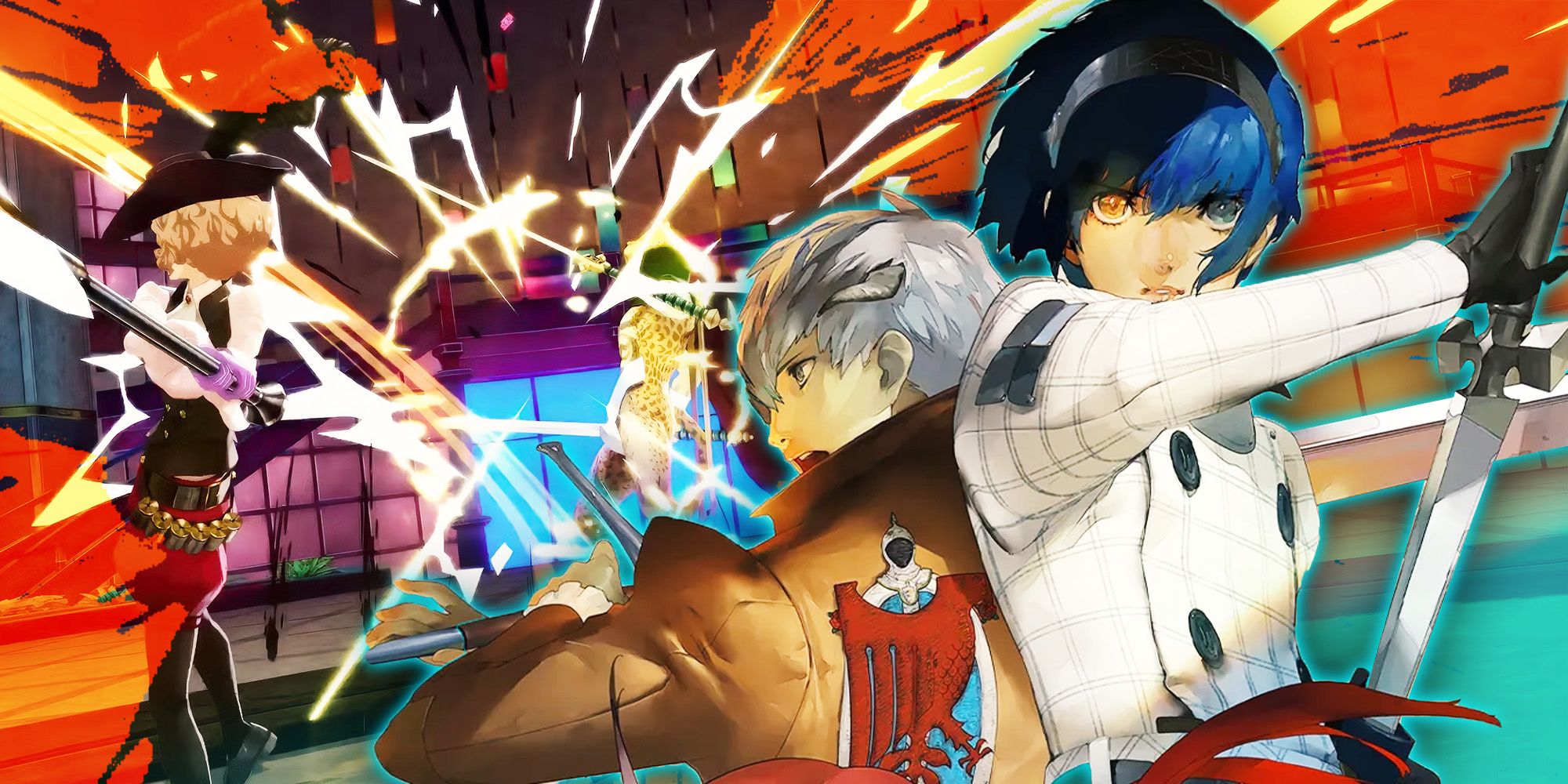
Combat can be divided into two primary modes: Squad Battles (turn-based) and Fast Battles (real-time). In Squad Battles, the emphasis on coordination underscores the importance of character relationships. Though explicit mechanics on combo triggers due to bonds are absent, theoretical optimization of skill rotations arises from strong inter-character bonds, suggesting untapped potential for synergies in battle. Conversely, in Fast Battles, quick decision-making becomes crucial, and players will benefit significantly from abilities enhanced through developed relationships, as the timing of skill availability can influence the flow of combat.
Key Limitation
It is essential to note that Metaphor: ReFantazio does not currently feature any direct combo mechanics, such as dual techs or partner skills, which could have allowed for more intricate combat interactions based on relationships. The primary combat focus remains on strategic buff and debuff management prioritized by Archetype skill optimization, both of which are notably amplified through the players’ relationships with their party members.
Conclusion
For players aiming for optimal combat performance, the strategic undertaking of pursuing quests that strengthen bonds with party members, such as Alonzo’s Faker quest, will be paramount. Additionally, managing buff durations and interactions through the user interface’s indicators will enhance combat efficiency, reflecting the underlying synergy between relationship building and tactical execution in Metaphor: ReFantazio. This integration of narrative and combat mechanics promises a rich gaming experience, where social dynamics craft a vital role in the players’ journey through this intricate world.


Leave a Reply