
Practicing flying different types of planes in Microsoft Flight Simulator (MSFS) can be an enjoyable and educational experience. This guide aims to provide structured and comprehensive steps to help you effectively practice flying commercial airliners, private jets, and cargo planes.
Best Practices for Practicing Flights
1. Start with Smaller Aircraft
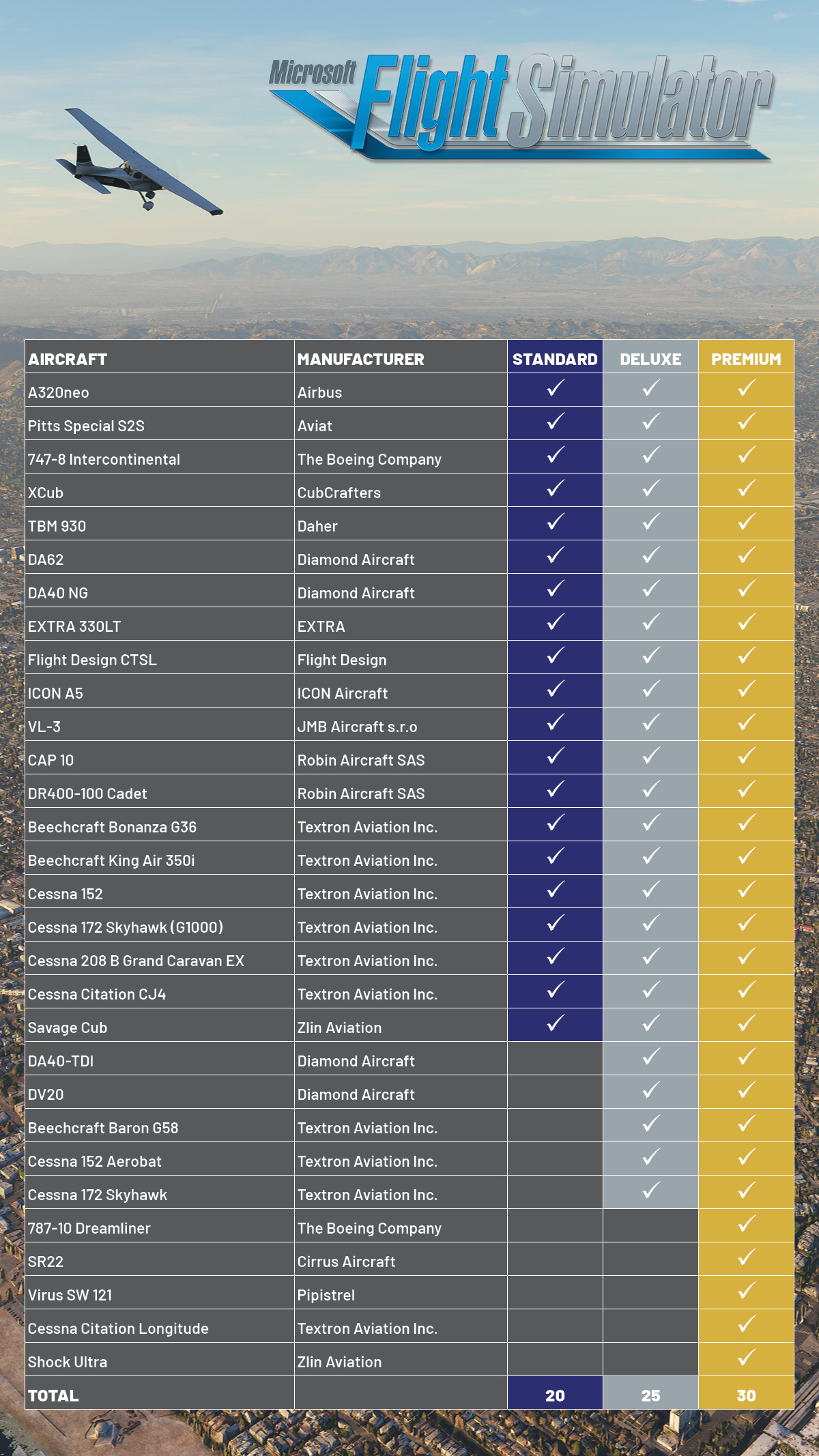
– Beginners: If you are new to flight simulation, start with small general aviation aircraft like the Cessna 152 or Piper PA-28. Flying these simpler aircraft helps you grasp the fundamentals of flight—essential aspects such as lift, drag, and basic navigation procedures.
– Progression: After becoming comfortable with smaller aircraft, gradually transition to more complex models, like the Piper Arrow with retractable gear, and then to high-performance aircraft such as the Beechcraft Bonanza. This step-by-step approach builds your confidence and skills progressively.
2. Learn Instrument Flying
– IFR Skills: Once you have a solid foundation in basic flying, focus on developing your instrument flying (IFR) skills. This includes understanding how to navigate solely using instruments, mastering navigation systems like VOR (VHF Omnidirectional Range), and practicing instrument landing systems (ILS) to improve precision during approach.
3. Transition to Light Jets and Turboprops
– Cessna CJ4: Before moving into larger airliners, consider practicing with a light jet such as the Cessna CJ4. This aircraft strikes a balance between general aviation handling and the systems found in larger commercial jets, making it an ideal stepping stone.
– Turboprops: Aircraft like the Beechcraft King Air or Pilatus PC-12 can also enhance your skills in handling multi-engine airplanes and understanding more complicated systems.
4. Practice with Commercial Airliners
– Airbus A320: As a widely recognized airliner, the A320 features a comprehensive flight management system and advanced autopilot capabilities. It’s an excellent choice for those beginning their journey into commercial aviation.
– Boeing 737: Another popular aircraft, the Boeing 737 offers a different set of flight characteristics and systems compared to the A320. Familiarizing yourself with both will prepare you for a range of real-world aviation scenarios.
Key Skills to Practice:
– FMC Programming: Learn how to properly input flight plans and manage routes within the Flight Management Computer (FMC), a crucial skill for effective flight management.
– Autopilot Modes: Understand the various autopilot modes available, and practice using them for navigation and maintaining control during flight.
– Landing Techniques: Focus on mastering both instrument landings (ILS) and visual landings under a variety of weather conditions to enhance your adaptability.
5. Practice with Private Jets
– Cessna Citation Jets: These jets provide a unique combination of general aviation controls and business jet performance, allowing you to hone your skills in an environment that’s more representative of advanced flying.
– Gulfstream Jets: Known for their robust avionics and performance capabilities, Gulfstream jets can challenge your flying skills further and introduce you to advanced systems management.
6. Practice with Cargo Planes
– Handling Characteristics: Cargo planes often differ in handling due to their load characteristics and may require unique operating procedures.
– C-130 Hercules: This military transport aircraft presents opportunities to practice complex cargo operations, adding variety to your flying experience.
Additional Tips for Effective Practice
– Utilize Tutorials and Guides: Take advantage of online tutorials, guides, and forums that can provide valuable insights into specific aircraft systems and flying procedures.
– Practice Regularly: Establish a consistent practice schedule. Regular flying helps reinforce skills and reduces the learning curve associated with complex operations.
– Experiment with Different Conditions: Work on flying in various weather scenarios, including poor visibility and challenging winds, to improve your adaptability and decision-making.
– Join Aviation Communities: Engage with online forums and flight simulation communities to share experiences, seek advice, and learn from more experienced pilots.
Conclusion
By following these structured steps and continually challenging yourself with more complex aircraft and varied flight scenarios, you can successfully master flying a diverse range of planes in Microsoft Flight Simulator. Enjoy your flights, and remember to stay patient and persistent as you advance your skills.


Leave a Reply