
Certainly! Here’s a detailed and structured response on how to set up and use various cockpit displays in Microsoft Flight Simulator, enhancing your simulation experience.
—
Comprehensive Guide to Setting Up and Using Cockpit Displays in Microsoft Flight Simulator
Enhancing your experience in Microsoft Flight Simulator (MSFS) through effective cockpit displays can significantly improve the realism and immersion of your flights. This guide covers both in-game settings and external tools to help you optimize your setup.
1. Setting Up Cockpit Displays In-Game
A. Understanding Default Displays
Microsoft Flight Simulator integrates essential cockpit instruments directly within the aircraft model you choose. This typically includes:
– Altimeter: Measures your altitude.
– Artificial Horizon: Indicates your orientation relative to the earth.
– Heading Indicator: Displays your current course.
These instruments are accessible through various camera views within the game.
B. Using Camera Views
The game provides multiple camera views to focus on different parts of the cockpit:
– To cycle through camera views, press `Ctrl + Shift + Space`. This allows you to zoom in on specific instruments as needed for closer inspection.
C. Customizing Views with Multiple Monitors
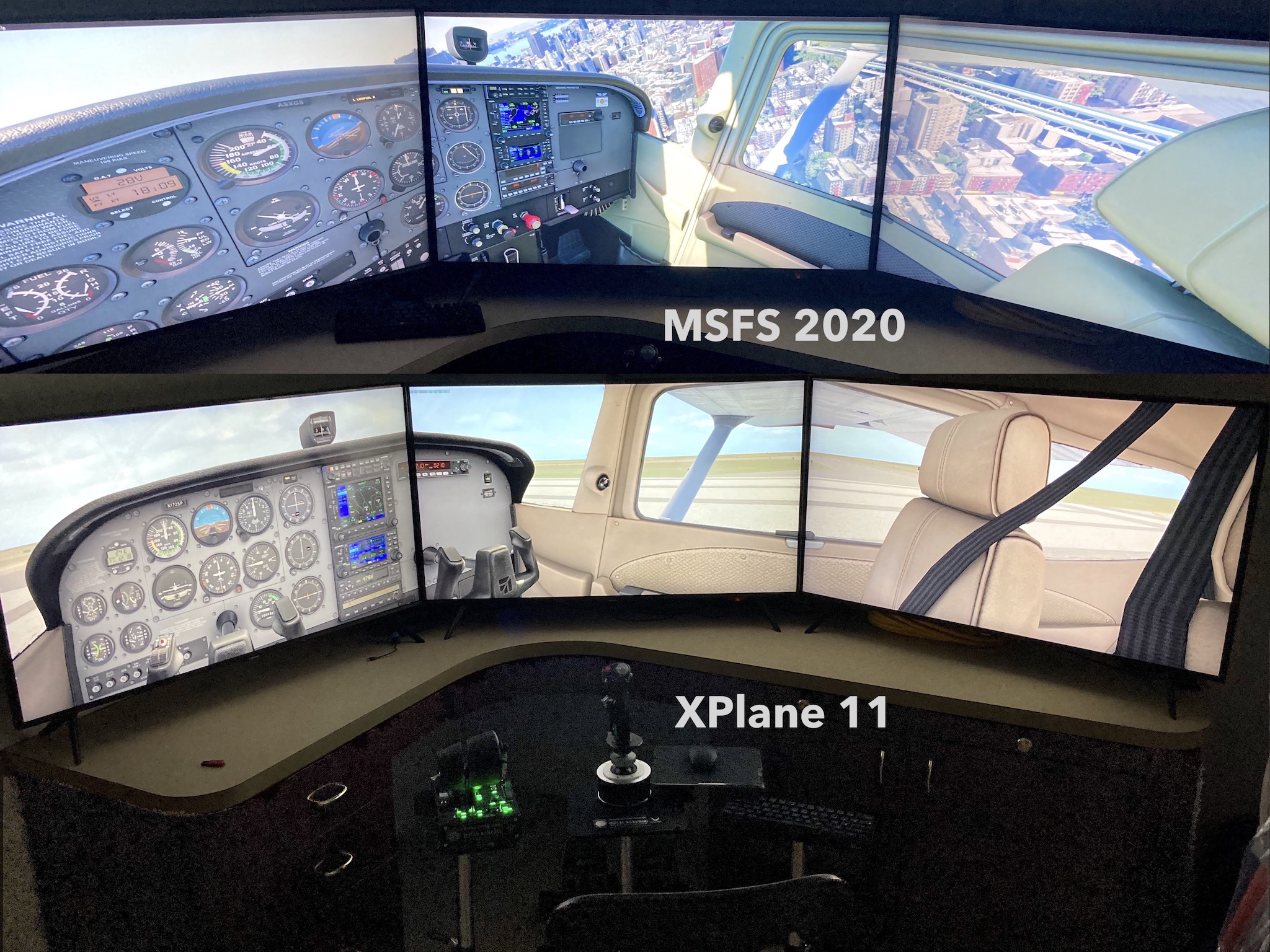
For an immersive experience, utilizing a multi-monitor setup can significantly expand your field of view and allow for dedicated instrument displays.
Steps to Set Up Multiple Monitors:
1. Navigate to Settings: Go to the Experimental tab in the in-game settings.
2. Configure Lateral Rotation: Adjust the Lateral Rotation Offset (for instance, set to `90` for a right monitor) to align the views across your screens.
3. Fine-tune Orientation: Use the Vertical and Roll Rotation settings to ensure the displays align correctly, providing a seamless viewing experience.
2. Using External Tools for Enhanced Displays
A. Air Manager
Air Manager is a popular tool for creating custom instrument panels that can enhance your simulation setup by displaying instruments on external screens.
Setup Instructions:
1. Install Air Manager: Download and install Air Manager on your computer.
2. Connect to MSFS: Ensure that Air Manager is correctly configured to communicate with Microsoft Flight Simulator.
3. Design Custom Panels: You can create and personalize instrument panels that include specific gauges as per your flying requirements.
B. Spacedesk
If you own Android tablets or similar devices, Spacedesk can extend your desktop to these screens, allowing you to display additional instruments.
Setup Instructions:
1. Install Spacedesk: Download and install the Spacedesk server on your main computer and the client app on your secondary devices.
2. Configure Display Options: Make sure to set up these devices properly as extended screens to show your desired instruments or views.
C. USB to HDMI Adapters
For users needing more HDMI outputs to facilitate multiple display setups, USB to HDMI adapters can be an effective solution. However, be aware that performance can vary based on the quality of the adapter and the complexity of your simulator configuration.
3. Practical Setup Examples
– Single Monitor Setup: Utilize your main screen for the primary view of the aircraft, adjusting camera views as necessary to focus on crucial instruments.
– Multi-Monitor Setup: Dedicate one monitor for the main forward view while using additional screens for cockpit instruments or secondary displays like navigation and engine readings.
4. Additional Hardware and Tips
– Throttle Controls & Head Tracking: Incorporate hardware such as throttle quadrants and head tracking systems to add depth to your simulation experience.
– Customization: Take time to experiment with different aircraft and settings. Each aircraft may have unique displays and controls that can affect your overall experience.
Conclusion
By utilizing both in-game settings and external tools, you can tailor your Microsoft Flight Simulator cockpit to your liking. This comprehensive approach allows for profound customization, enhancing the realism and enjoyment of your flights. Ultimately, your flight simulation experience can become not just a game, but a virtual aviation journey.
—
Feel free to make adjustments or ask further questions if you need additional information on specific topics!


Leave a Reply