
A Comprehensive Guide to Dealing with Psychological Horror and Tension in Mouthwashing
Introduction
Mouthwashing, developed by Wrong Organ, is a psychological horror indie game that immerses players aboard the space freighter, the Tulpar. With a gripping narrative and surreal elements, the game presents players with a unique challenge: as they navigate a world where the crew’s sanity begins to unravel, they must confront themes of isolation, paranoia, and horror. This guide provides insights into effectively managing moments of psychological tension throughout the gameplay.
—
Understanding the Game’s Environment
Setting
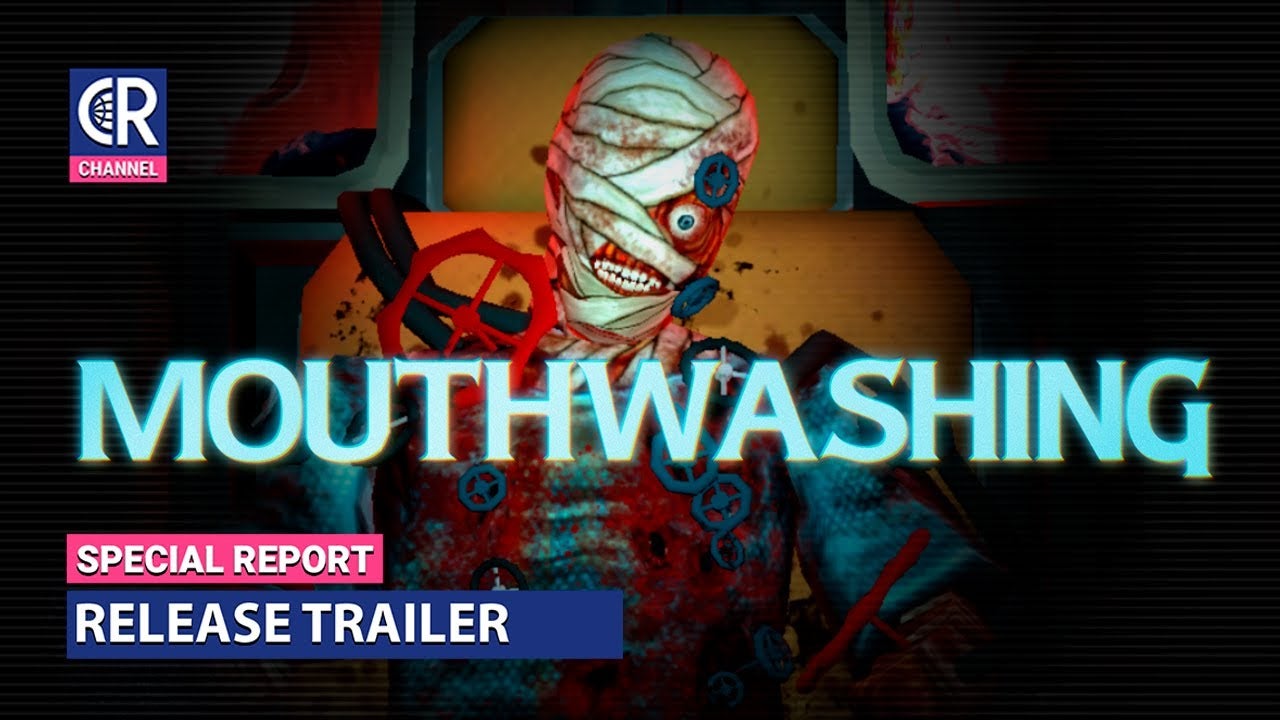
The game’s primary backdrop is the Tulpar, a crashed space freighter. This setting establishes an immediate sense of claustrophobia and isolation, making exploration feel unsettling. The low-poly graphics further enhance the eerie atmosphere, creating a visually striking yet discomforting experience that amplifies player anxiety.
Crew Dynamics
Central to the narrative are the five crew members, whose psychological breakdowns reveal the impact of fear and desperation. Their interactions are fraught with tension, and understanding these dynamics is crucial for grasping the unfolding horror. The way the crew interacts will often reflect their steady descent into madness, offering players insight into their psyches and the game’s themes.
—
Navigating Tense Moments
1. Exploration and Navigation:
– Move carefully through the Tulpar’s narrow corridors. The limited visibility from the first-person perspective heightens anxiety, prompting constant vigilance. Expect surprises and prepare for potential jump scares.
2. Resourcing and Survival:
– With resources running low, the crew faces grim choices, including the use of mouthwash as a coping mechanism to cope with their harrowing reality. This choice not only introduces an element of paranoia but also reflects their deteriorating mental states.
3. Story Unfolding:
– The non-linear narrative keeps players guessing. Events bleed into one another, and the discrepancies between past and present add layers of unpredictability, increasing overall tension.
4. Visual and Audio Cues:
– Pay close attention to cinematic camera angles and glitchy visuals during conversations. These cues enhance dramatic moments, deepening immersion and accentuating psychological horror.
—
Psychological Horror Elements
– Paranoia and Madness:
As crew members lose touch with reality, their hallucinations morph the environment’s horror into something tangible and disturbing. Their irrational fears resonate with the player, fostering an emotionally charged atmosphere.
– Character Backstories:
Each character’s past is intricately woven into the gameplay, influencing their decisions and interactions. These backstories often reveal disturbing truths and layer the psychological depth of the narrative.
– Unreliable Narrator:
Expect shifts in perspective and timeline that challenge what is real. The uncertainty this creates leaves players feeling unsettled and forces them to question every piece of narrative information.
—
Tips for Players
– Subtle Hints:
Observe character dialogues carefully for subtle cues. These can reveal deeper motivations or forewarn of potential betrayals, amplifying the game’s tension.
– Environmental Clues:
Take note of your surroundings. The state of the ship and the crew’s behavior can provide insights into their mental health and the overall situation, helping you anticipate upcoming horrors.
– Stealth and Caution:
Move stealthily through tight spaces, especially when entering suspicious areas. Quick reflexes and a cautious approach are essential to managing jump scares and maintaining composure.
—
Conclusion
Mouthwashing effectively weaves a narrative steeped in psychological horror, providing players with a deeply immersive and dynamically tense experience. By understanding the gameplay mechanics, narrative structure, and character interactions, players will be better equipped to navigate the game’s unsettling landscape. Prepare for a provocative journey that not only tests your nerves but also challenges the boundaries of psychological terror. Engage thoughtfully, embrace the horror, and allow the narrative to unfold in all its terrifying complexity.




Leave a Reply