
Engaging with Memory Sequences in Mouthwashing
Memory sequences and flashbacks are central to the narrative fabric of Mouthwashing, allowing players to delve deeper into characters’ psyches and their relationships. Here’s a structured guide to help you effectively engage with these elements throughout your gameplay:
—
Understanding Memory Sequences
1. Triggered Events:
– Memory sequences are often initiated by specific interactions within the game world. Pay close attention to your surroundings, especially objects or locations that may hold sentimental value or critical story information. For instance, entering a specific room or discovering a character’s diary might activate a flashback.
2. Perspective Changes:
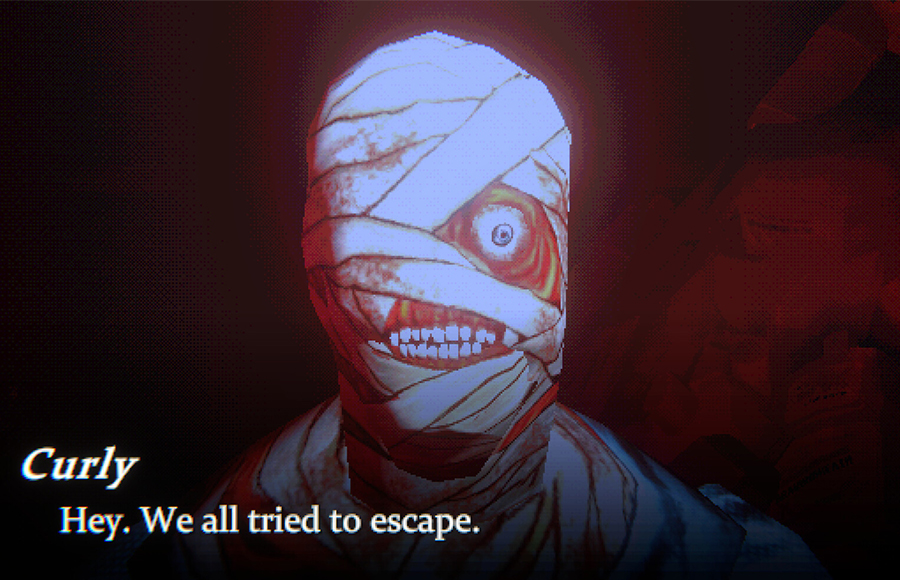
– The game frequently shifts between the viewpoints of different characters, such as Jimmy and Curly. Each perspective offers unique insights into the emotions and motivations driving the narrative. Recognize these shifts to better understand variable character dynamics and contexts.
3. Story Integration:
– Memory sequences not only embellish the story but often intersect both chronologically and thematically with the main plot. By comprehending how these memories interweave with current events, you can construct a more cohesive narrative and grasp the significance of the climax.
—
Interacting with Flashbacks
1. Active Participation:
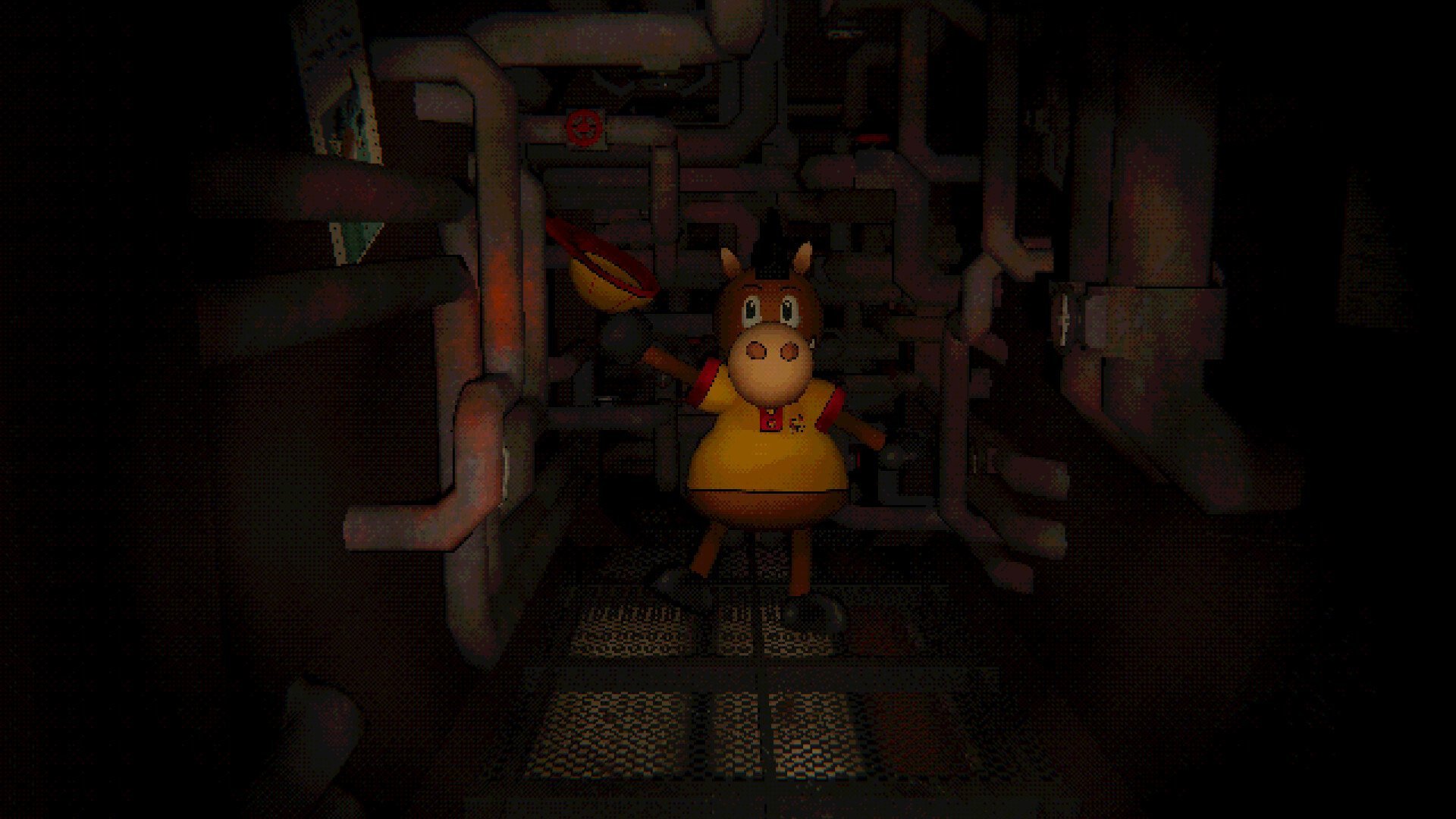
– Some flashbacks require you to engage physically with the environment, which can involve solving puzzles or navigating challenges. For instance, the encounter with the “Long Horse” monster in one of Jimmy’s hallucinations serves as a metaphor for his evasion of reality and responsibilities. Mastering these elements can enhance both gameplay and narrative immersion.
2. Passive Observation:
– Conversely, there are sequences where you merely observe character interactions unfolding. These moments are crucial for understanding the interpersonal dynamics and backstories that inform character motivations and contribute to the game’s emotional weight. Pay close attention—subtle gestures and dialogue can reveal much about the characters.
3. Choosing Different Paths:
– Your actions leading up to the memory sequences may alter your experience within them. This branching narrative structure allows for replayability and gives you the opportunity to explore various character arcs and outcomes, enhancing your understanding of the overall storyline.
—
Tips for Engaging with Memory Sequences
– Pay Attention to Details:
Look for notes, recordings, or environmental storytelling that can provide crucial context. Little hints can explain character motivations or foreshadow future events.
– Follow Character Dynamics:
Focus on the relationships between key characters, such as Jimmy’s connection with Anya or Curly’s interactions with Swansea. Understanding these dynamics is fundamental to grasping the overarching themes of the game, which often examines guilt, responsibility, and interpersonal conflict.
– Timing and Context:
The sequences you experience and the timing can heavily influence your interpretation. Re-exploring earlier memories after gaining new perspectives can reveal deeper layers of meaning, prompting a richer understanding of the characters and plot.
—
By adhering to these guidelines, you will be better positioned to immerse yourself in the multifaceted narrative of Mouthwashing, allowing the memory sequences and flashbacks to enhance your overall gaming experience. Each interaction and observation serves a purpose, drawing you deeper into the psyche of the characters and the intricacies of their world.
Leave a Reply