
Handling Different Difficulty Levels in Pathfinder: Wrath of the Righteous
Overview of Difficulty Levels
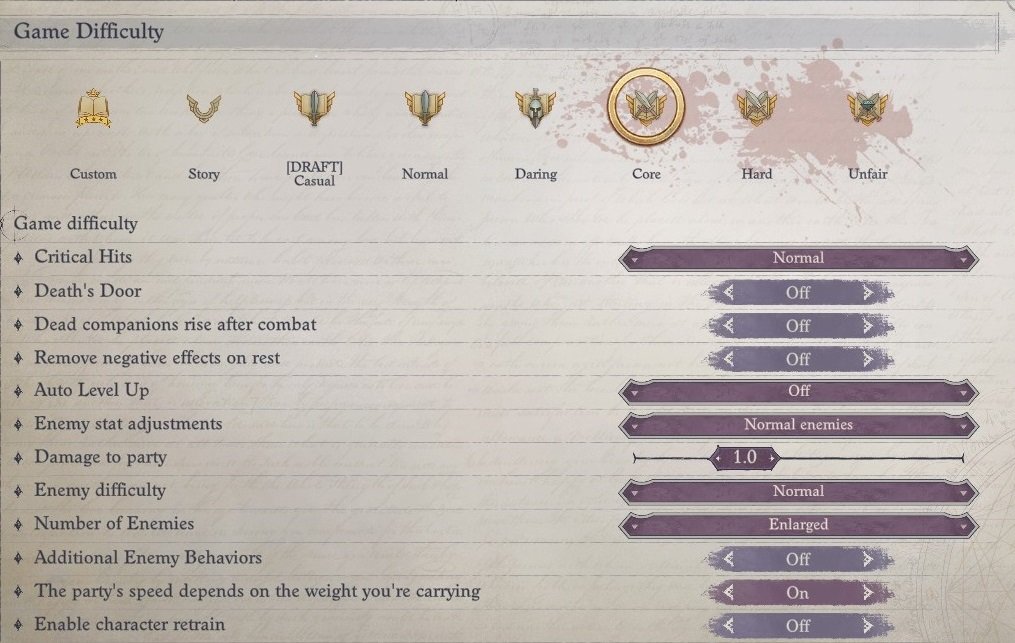
Pathfinder: Wrath of the Righteous offers a variety of difficulty levels designed to cater to different play styles and skill levels. There are seven preset difficulty options: Story, Casual, Normal, Daring, Core, Hard, and Unfair. In addition to these presets, players can further customize their experience through adjustable sliders for various gameplay elements, allowing a tailored challenge to suit individual preferences.
Detailed Explanation of Difficulty Levels
– Story: This mode is tailored for players who prioritize narrative over combat, providing minimal challenges in battles, thereby allowing for an immersive storytelling experience.
– Casual: This level offers a relaxed experience that introduces some combat challenges, making it suitable for those who seek a comfortable introduction to the game mechanics.
– Normal: The balanced mode that most players will find satisfying, ensuring a healthy mix of combat and story engagement.
– Daring: Here, enemies are slightly stronger and present additional challenges compared to Normal, appealing to players looking for greater test without being overwhelmed.
– Core: This setting heightens the difficulty, featuring more challenging foes and fewer resources, making resource management crucial.
– Hard: Enemies become significantly tougher, and mistakes can lead to severe consequences. This level is not recommended for newcomers due to its intensity.
– Unfair: The ultimate challenge, where enemies are more numerous and much stronger. This mode is designed for seasoned players seeking to test their skills to the limit.
Customizing Difficulty
The game permits an additional layer of customization beyond the preset options, allowing players to adjust specific aspects, such as:
– Combat Difficulty: Tweak the strength and quantities of enemies to suit your play style.
– Crusade Management Difficulty: Alter the complexity of the strategic management aspect of the game to better fit your desired challenge level.
– Additional Settings: Options like “iron man” mode for crusade management can be implemented for a more punishing experience.
Tips for Handling Higher Difficulties (Especially Unfair)
Preparation is Key
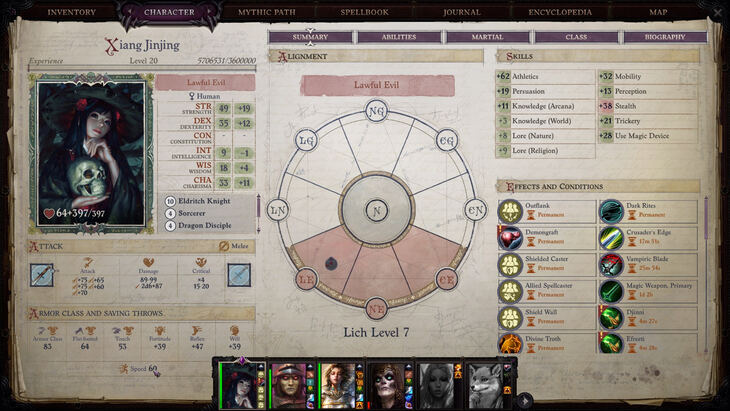
– Optimize Builds: Focus on character builds that enhance strengths and mitigate weaknesses for maximum effectiveness.
– Choose the Right Equipment: Prioritize gear that boosts survivability and enhances combat abilities.
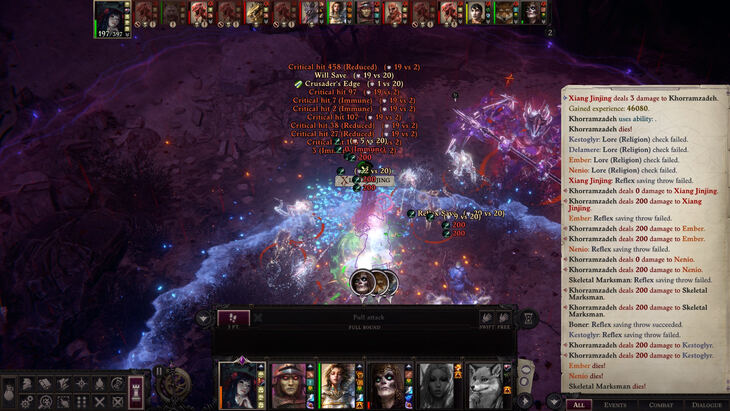
– Master Combat Mechanics: Develop a strong understanding of combat mechanics and learn optimal use of abilities, including the importance of retreating when necessary.
Strategic Combat
– Utilize Terrain: Leverage environmental features for strategic advantages, such as creating chokepoints or gaining height advantage.
– Control Enemy Movements: Use crowd control spells and abilities to manipulate enemy positioning and lessen their numbers.
– Employ Buffs and Debuffs: Strengthen your party with buffs and weaken enemies with debuffs to shift the combat dynamic in your favor.
Stay Flexible
– Adapt Strategies: Be ready to modify your tactics mid-battle as situations evolve.
– Make Use of your Environment: Take advantage of environmental hazards or objects that can impact combat.
Managing Resources
– Monitor Your Party: Consistently check party members’ health and resources (like spells) and replenish them appropriately.
– Strategic Resource Use: Utilize potions, scrolls, and consumables judiciously to maintain an edge in tougher encounters.
Learning from Failure
– Analyze Mistakes: Review what went wrong in past attempts and refine your strategies accordingly.
– Experiment with Tactics: Don’t hesitate to mix up your approach, such as changing party compositions or strategies to find more effective methods.
Additional Tips for Unfair Difficulty
– Choose Survival Over Aggression: In high-stakes encounters, prioritize staying alive. Retreating to heal and regroup can be a viable strategy.
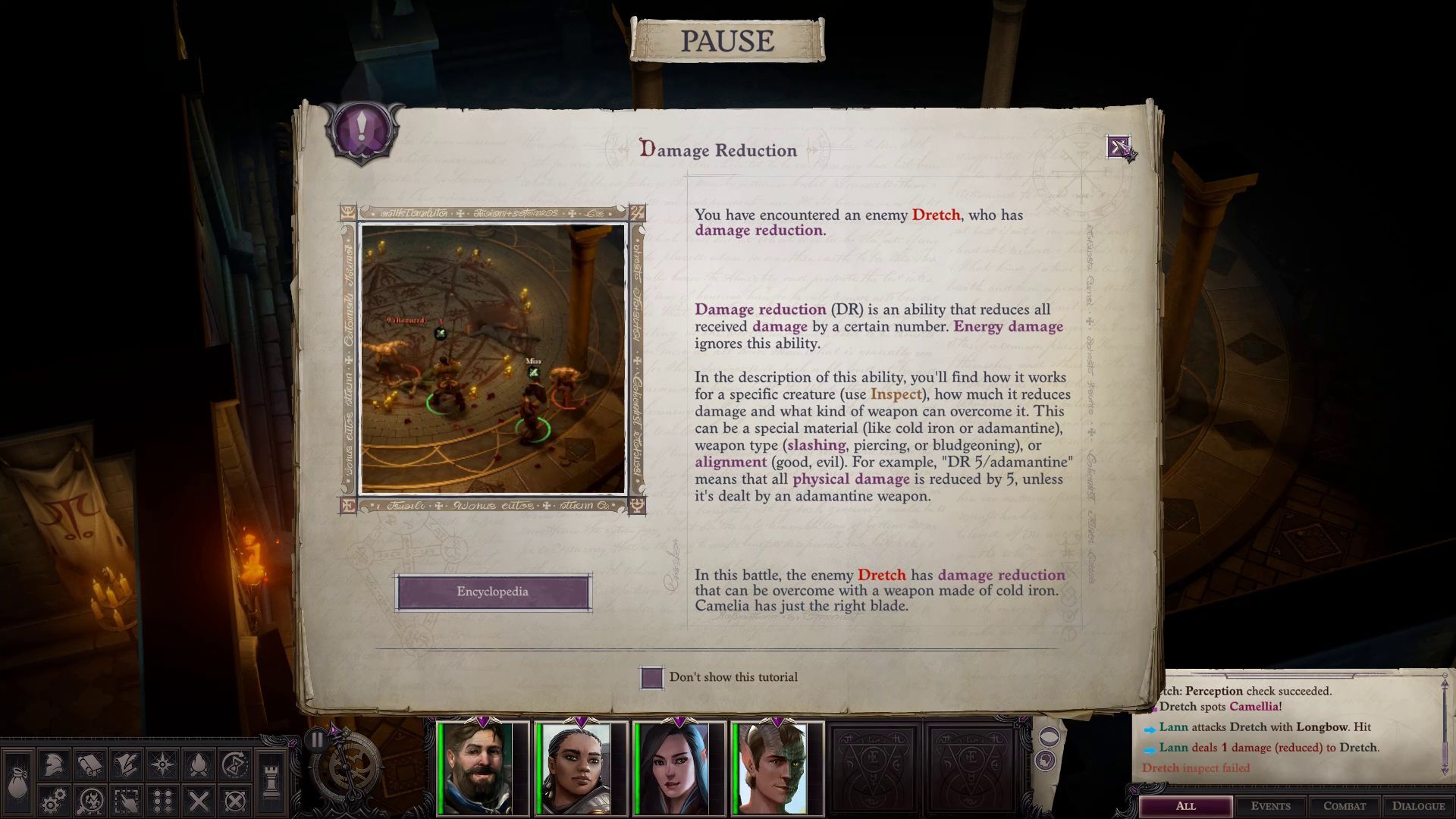
– Exploit Enemy Weaknesses: Identify and target enemy vulnerabilities to turn the tide in your favor.
– Adjust Custom Difficulty Sliders: If certain aspects of the game prove too challenging, modify sliders to enhance your experience without compromising the core feel of the game.
Implementing these strategies alongside customization options will greatly enhance your ability to navigate the challenges presented by higher difficulty levels in Pathfinder: Wrath of the Righteous, ensuring a rewarding gaming experience tailored to your preferences.

Leave a Reply