
In Pathfinder: Wrath of the Righteous, the alignment system is a fundamental aspect that can significantly influence not only gameplay mechanics but also storytelling elements, companion relationships, and character progression. Here’s a comprehensive guide on how to effectively navigate and leverage this system to enhance your experience in the game.
Understanding the Alignment System
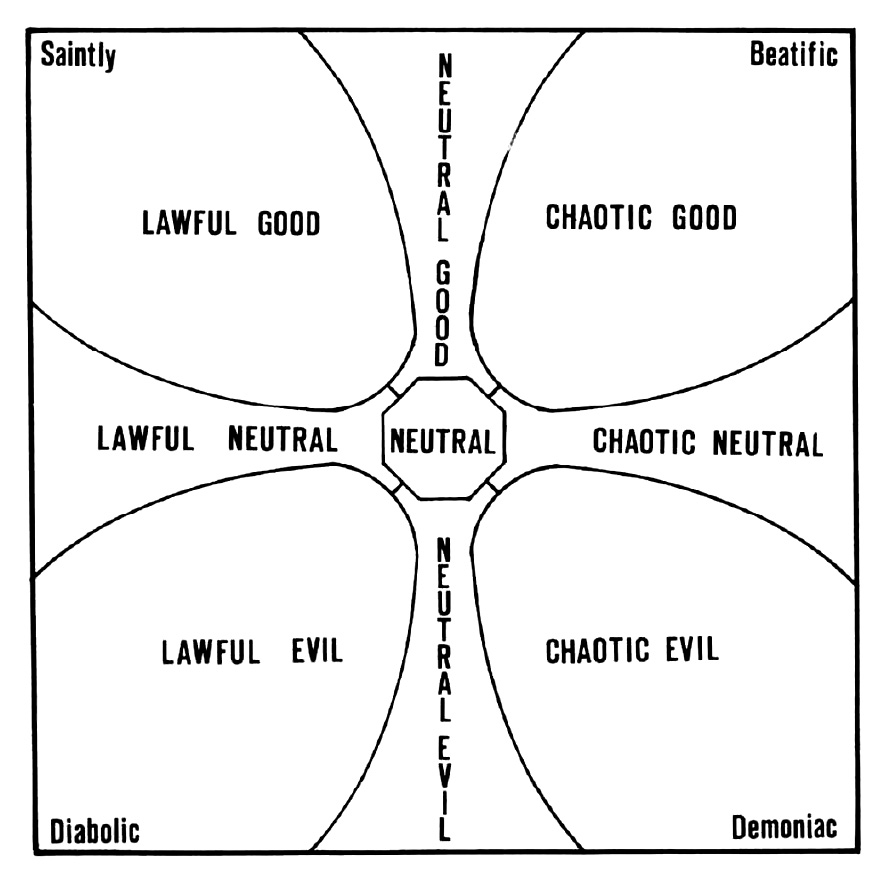
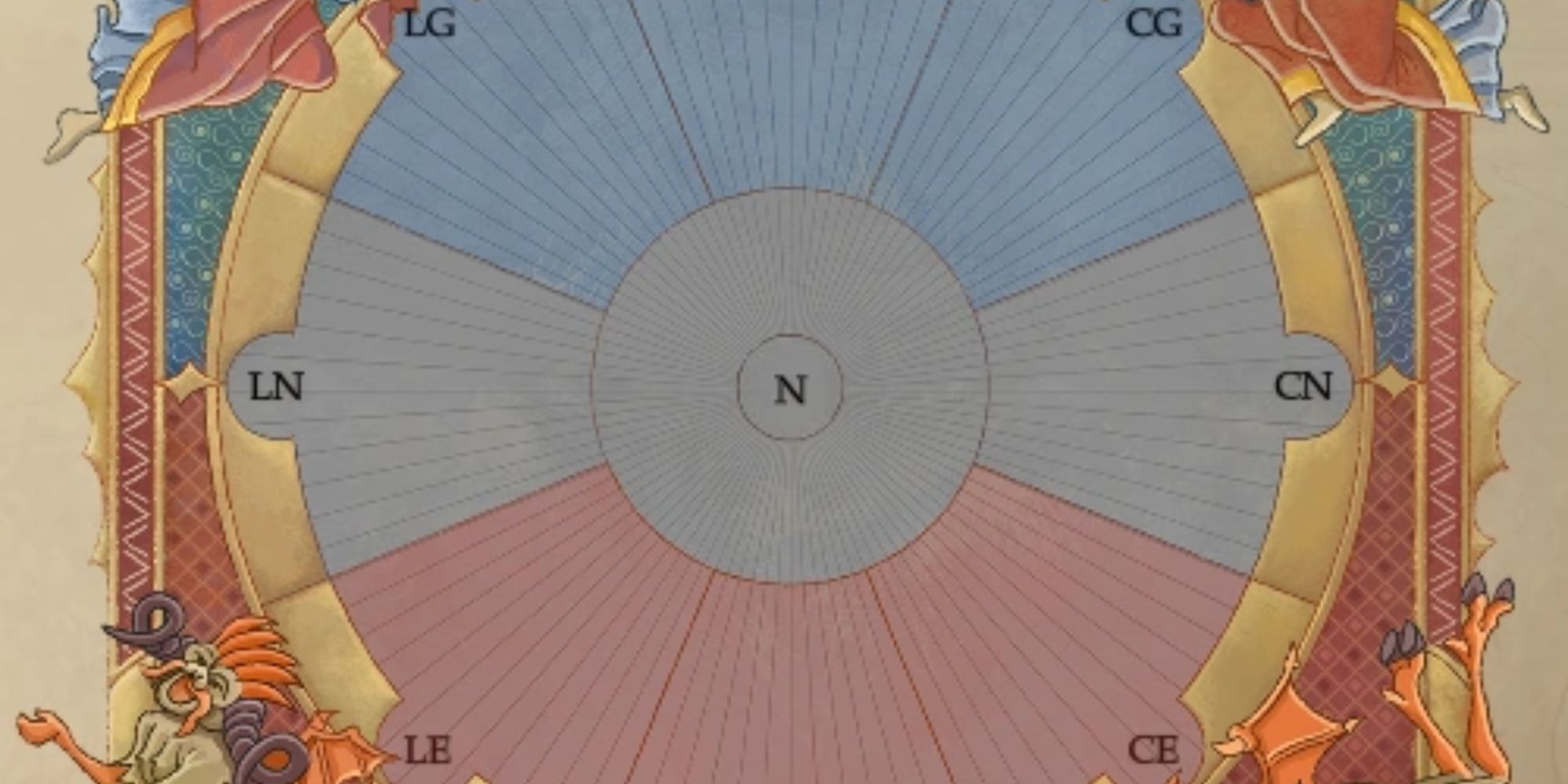
The alignment system is structured along two main axes:
1. Ethical Axis: This categorizes characters as Lawful, Neutral, or Chaotic.
2. Moral Axis: This delineates characters as Good, Neutral, or Evil.
Thus, characters can embody a combination of these traits, leading to alignments such as Lawful Good (LG), Chaotic Evil (CE), Neutral Good (NG), and so on.
Your alignment can gradually shift over the course of the game based on the choices you make. This movement happens incrementally towards lawful, chaotic, good, or evil tendencies. However, while your alignment may drift, you will still need to remain within the bounds of your current alignment for most gameplay purposes. Radical shifts in alignment can lead to major consequences, including narrative changes and mechanical restrictions.
Impacts on Quests and Mythic Paths
– Mythic Path Alignments: Each mythic path in the game is aligned to a core ethical and moral alignment. While they allow for slight deviations—one step on either axis—straying too far from the core alignment will initiate a mythic quest. These quests are designed to realign your character to fit the path you initially pursued.
– Automatic Realignment: Some mythic paths, particularly those unlocked in later acts like the Gold Dragon or Devil paths, will auto-set your alignment to their core values upon acceptance. This can interfere with your character’s class progression if there are conflicts with alignment requirements (for instance, a shift to Neutral Good on the Gold Dragon path could hinder the progression of a Lawful Evil Monk).
– Quest Decision Influence: Alignment choices can impact how quests unfold. Certain quests may only be available or yield favorable resolutions if your character’s alignment is compatible with those of the quests or companions involved. This aspect encourages players to think carefully about their choices.
Companions and Relationships
Companions in Wrath of the Righteous each have their preferred alignments and moral standards. Your alignment can significantly shape the dynamics of these relationships.
– Improving Relationships: Aligning your character’s values with those of your companions can deepen relationships, unlock special quests, and present unique dialogue options that enhance your gameplay.
– Conflicting Alignments: Making choices that conflict with a companion’s alignment can lead to negative consequences, such as reduced influence, growing tension, or even the potential for a companion to leave or become hostile towards you.
Gameplay Advantages of Alignments
– Class Features and Abilities: Maintaining a consistent alignment not only influences gameplay but also affects your access to class-specific features. For example, Paladin abilities require a Lawful Good alignment. Deviating from this alignment may result in the loss of class features until you realign.
– Strategic Alignment Shifts: Players can utilize strategic alignment shifts to tailor their character’s narrative and unlock specific mythic paths or questlines that align with their preferred playstyle. Understanding the buffer nature of alignment movements allows for planning decisions that keep your character aligned without abrupt changes.
Summary
To optimize your experience in Pathfinder: Wrath of the Righteous through the alignment system:
– Monitor Alignment: Consistently guide your alignment through your quest choices to maintain synergy with your target class and chosen mythic path.
– Enhance Companion Relationships: Use alignment to build and enhance relationships with companions, unlocking special quests and additional content.
– Be Cautious of Drastic Changes: Avoid drastic alignment shifts that could trigger mythic quests forcing realignment, which can impede class progression and alter your story arc.
– Plan Mythic Path Alignments: Consider the implications of accepting a mythic path early on, as this can streamline your progression but may limit future class options.
By understanding and managing the complexities of the alignment system effectively, you can craft a unique moral and ethical identity for your character, influence the game’s narrative, and maximize the mechanical benefits available throughout your journey.


Leave a Reply