
In Pathfinder: Wrath of the Righteous, effectively managing factions and maintaining the loyalty of your allies are crucial components in enriching your gameplay experience and navigating the intricacies of the campaign. Here’s a well-structured look into these aspects along with practical strategies to enhance your performance as you pursue your objectives.
Managing Factions
1. Understanding Factions:
– Each faction plays a unique role within the game’s complex narrative. Learning about their respective goals, ideologies, and combat styles is essential. For instance, if you gravitate towards necromancy as a Lich, forming alliances with undead factions can prove beneficial, amplifying your strategic options.
2. Utilizing Councilors:
– Each of your companions can serve as councilors with specific strengths that influence faction dynamics. Choose advisors whose skills complement the tasks at hand—such as a charismatic councilor for diplomatic missions or a tactician for military matters. This alignment maximizes the potential for favorable outcomes in faction relations.
3. Reputation and Alignment:
– Your alignment dictates your approach to diplomacy and faction interactions. Actions that resonate with your ethical stance will naturally attract allies who share those values. Maintaining a consistent alignment, whether it’s lawful good or chaotic evil, can streamline your alliance-building process.
Keeping Allies Loyal
1. Fostering Positive Relationships:
– Engage actively with your companions by completing their individual quests and involving them in key decisions. Acknowledging their narratives not only strengthens personal bonds but also solidifies their loyalty to you as a leader.
2. Morale and Resource Management:
– High morale among your troops is essential to prevent desertion. Invest in adequate supplies, pay your soldiers consistently, and provide for their needs. Keeping morale high will ensure a steadfast and reliable fighting force throughout your campaign.
3. Diplomatic Engagement:
– Utilize diplomacy to forge alliances or negotiate peace with rival factions. Offering gifts, agreeing to beneficial terms, or establishing trade routes can enhance trust and loyalty among your allies.
4. Strategic Combat Management:
– When engaging in battles, leverage your generals’ strengths to protect and support allied units, which reinforces loyalty. Demonstrating care for your allies during confrontations cultivates mutual respect and cooperation.
5. Mythic Path Consideration:
– Your Mythic Path can greatly influence your ability to form and sustain alliances. Choose a path that synergizes with the factions you wish to attract, as it can open new avenues for recruitment and alliance opportunities.
Army Management and Crusade Strategy
1. Balanced Army Composition:
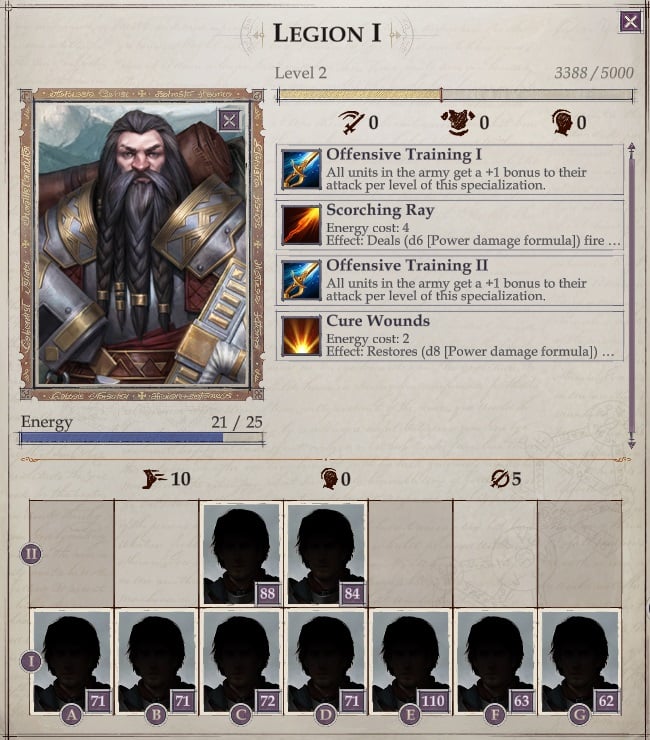
– Build a versatile army, mixing melee, ranged, and magical units. Each type plays a crucial role during conflicts: archers can weaken enemies from afar, while spellcasters provide powerful area-of-effect support.
2. Strategic General Assignment:
– Hire generals that complement your army’s structure. For example, selecting a general with strong area-of-effect spells can significantly enhance your offensive capabilities during battles.
3. Defensive and Offensive Balance:
– Maintain a dual-focused approach with one army dedicated to offense and another to defense. This strategy not only bolsters your territorial integrity but also preserves your resources for prolonged campaigns.
4. Resource Management Focus:
– Ensure adequate resource accumulation to sustain your forces. A well-resourced army is less likely to suffer from low morale, which can lead to mutinies or loss of valuable allies.
5. Engaging in Feasible Battles:
– Assess the strength and capability of your forces before engaging in combat. Utilize ranged attacks to weaken enemies prior to direct engagement to ensure a successful outcome.
By implementing these strategies, you’ll be equipped to navigate the intricate web of alliances and factions in Pathfinder: Wrath of the Righteous effectively. Success in your crusade depends not only on your tactical proficiency in combat but also on your ability to forge and maintain valuable alliances throughout your journey.


Leave a Reply