
In Pathfinder: Wrath of the Righteous, players encounter a rich tapestry of choices that substantially influence the narrative and their character’s alignment, intertwining with the chosen mythic path, companion interactions, and critical story revelations. Here’s a detailed overview of key decisions impacting the story and alignment within the game:
Key Decisions Impacting Story and Alignment
1. Starting Alignment and Mythic Path Choice
At the beginning of the game, selecting a mythic path fundamentally influences your character’s moral compass and narrative trajectory. The options available span a spectrum—some align with good ideals, while others associate with more neutral or evil inclinations. Notably, playing a Lawful Evil character poses unique challenges; the game mechanics and narrative tend to favor more chaotic or neutral evil outcomes, leaving limited opportunities for Lawful Evil gameplay. This choice not only establishes your character’s ethical stance but also affects interactions with NPCs and eventual story outcomes.
2. Your Source of Mythic Power and its Revelation
A pivotal moment occurs when the origins of your mythic powers are revealed to be linked to demonic forces rather than the benevolent goddess Iomedae. This revelation is a significant narrative pivot, instigating a crisis of identity, especially for players who initially align themselves with the ideals of good. Characters and NPCs who previously viewed you as a champion of righteousness may react with distrust or abandonment upon discovering this truth, particularly those who are devout followers of Iomedae. The betrayal not only alters your characterization but also reshapes strategic alliances within the game, potentially leading to severe implications for your journey.
3. Interaction and Trust With NPCs
The dynamics of loyalty and trust with NPCs are critical throughout the game. Choices made in dialogue and actions—such as whether to spare or kill key figures like the Hand of the Inheritor—play a crucial role in the development of companion relationships and hidden quest lines. For instance, how you handle the Hand’s fate can lead to profound consequences within labyrinthine quests, affecting both the narrative progression and final outcomes of the game.
4. Moral Choices in Key Encounters
Players encounter significant moral dilemmas that affect both the immediate narrative and their understanding of the overarching lore. Elements such as discovering hidden passages or engaging with characters like the ghost of Hepzamirah can provide critical insights but also present choices that test your character’s integrity. Each choice can either elucidate vital lore or potentially jeopardize alliances or future options, shaping not only the protagonist’s evolution but also the fate of companions within the story.
5. Companions and Their Story Integration
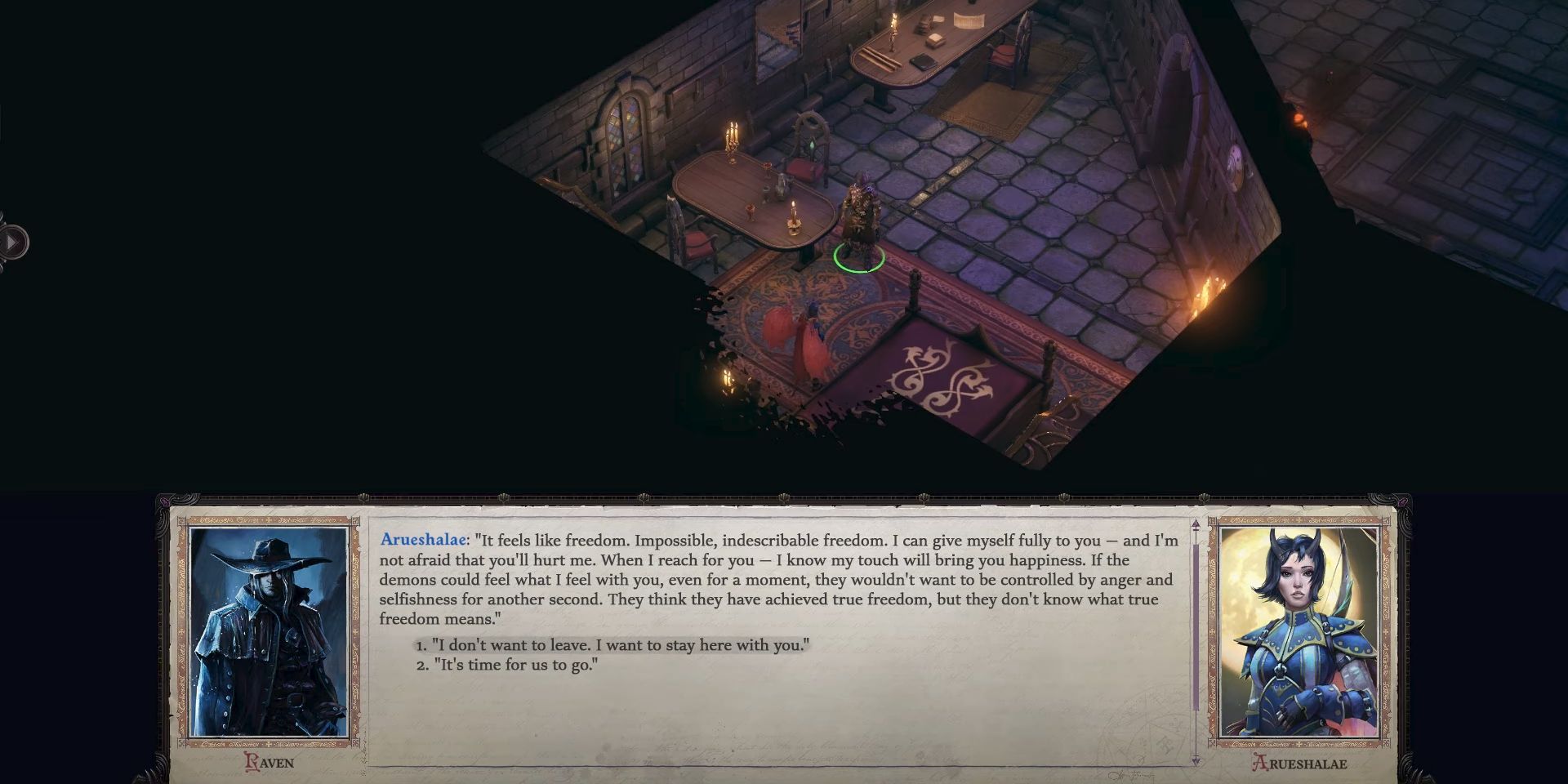
Companion relationships are intricately woven into the main narrative, and your choices can either strengthen or fracture these bonds. The reactions of companions to your decisions—be they moral or tactical—can significantly influence your alignment. Characters may shift in their loyalty or acceptance based on how you navigate complex moral landscapes and interact with the world, which in turn affects your journey towards ascension and the various paths available at the game’s conclusion.
Overall Impact on Alignment
– The interplay of player choices can result in shifts along the Good-Neutral-Evil and Lawful-Chaotic axes. However, due to the game’s design and mythic structure, opportunities for Lawful Evil paths are less emphasized, suggesting that most narratives will likely explore more chaotic interpretations of evil.
– Alignment doesn’t merely dictate narrative outcomes; it affects dialogue options, companion dynamics, and the perceptions of higher powers, especially concerning pivotal events near the game’s climax.
– The response of divine entities, coupled with the personal journey you embark upon, dramatically influences your character’s ultimate fate, showcasing how closely intertwined character alignment is with the unfolding story.
Conclusion
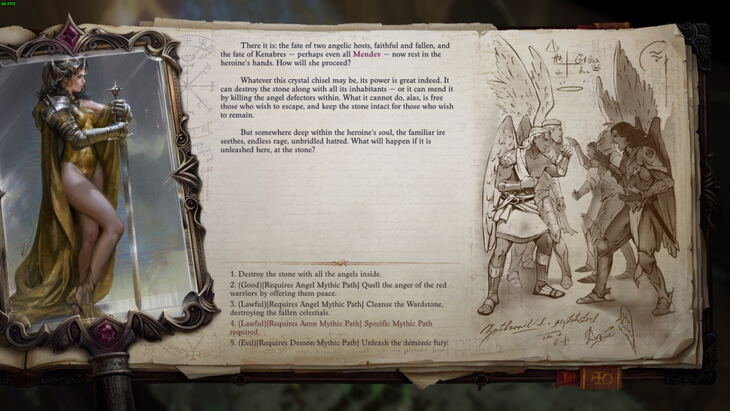
In summary, Pathfinder: Wrath of the Righteous offers a complex and multifaceted approach to alignment and storytelling. Choices surrounding your mythic path, moral decisions, and interactions with pivotal characters dynamically shape your journey, leading to varied outcomes and endings. This intricate system ensures that alignment feels organic and is closely tied to narrative depth, rather than a mere numerical value or guideline. Players are encouraged to explore the myriad consequences of their decisions, making the experience rich and personalized.


Leave a Reply