
Comprehensive Guide to Turn-Based Combat Optimization in Pathfinder: Wrath of the Righteous
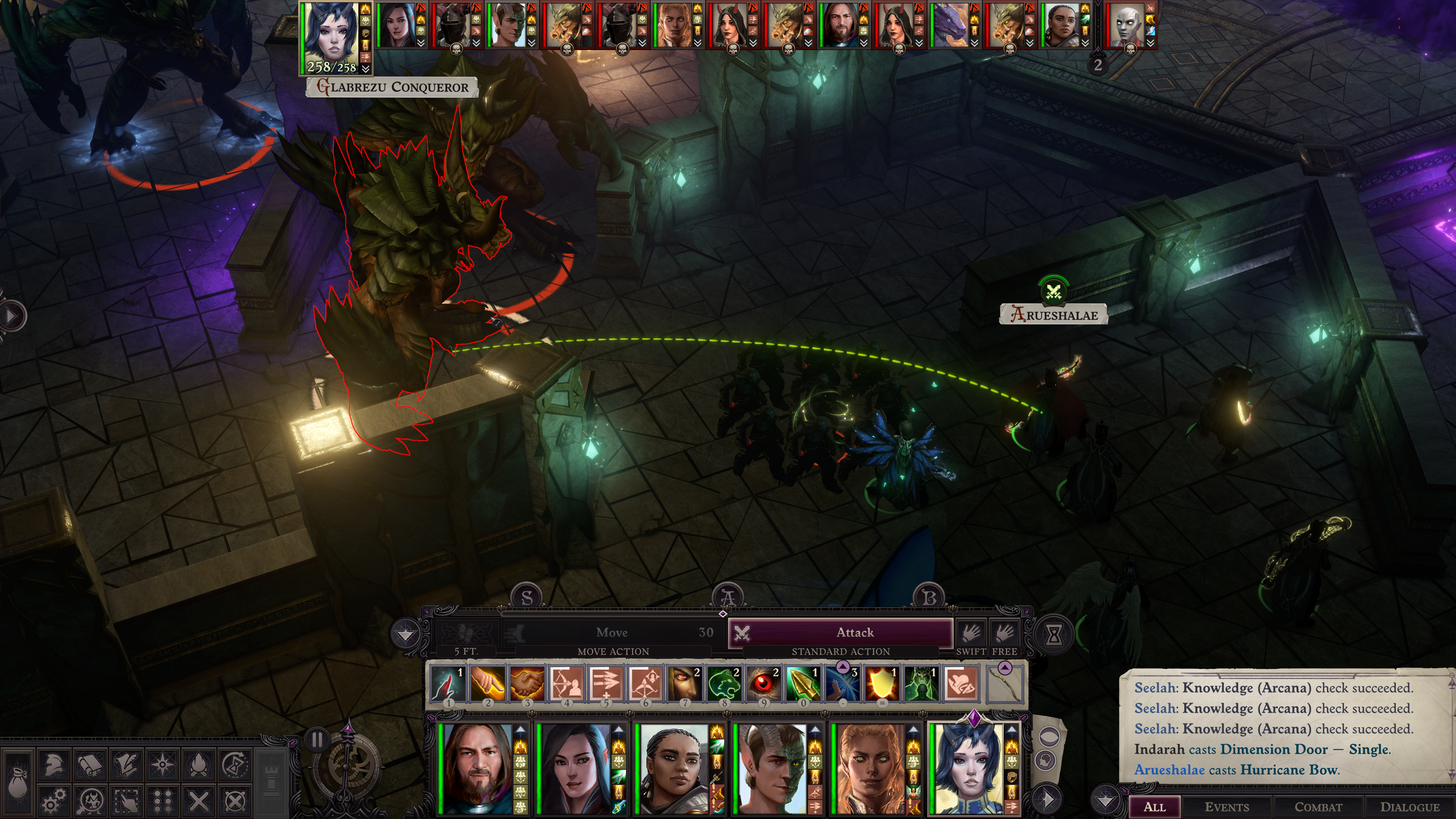
Pathfinder: Wrath of the Righteous offers players two combat modes—real-time with pause (RTwP) and turn-based. The latter provides a structured approach that can significantly enhance your party’s effectiveness, especially on higher difficulties. This guide will delve into turn-based combat mechanics and effective tactical positioning to maximize your party’s capabilities in combat.
Understanding Turn-Based Combat Mechanics
Initiative and Turn Order
– Initiative Rolls: The sequence in which characters act is determined by initiative rolls, calculated using a d20 plus the character’s Dexterity modifier and any initiative bonuses. Understanding this sequence allows strategic planning among party members, enabling synergies such as delaying a melee fighter’s action until a supportive buff spell (like Haste) is cast.
Action Economy
– Actions per Turn: Each character can take a combination of actions each turn, which typically includes a standard action (e.g., making a single attack), a move action, a swift action, and sometimes a free action. Utilizing full-round actions, particularly for characters with a high base attack bonus, can amplify damage output, allowing for multiple attacks in one turn.
Buffing and Debuffing
– Timing is Key: The effectiveness of buffs such as Haste or Prayer, and debuffs like Slow or Curse, hinges on the control of turn order. Timing these spells precisely during combat can create overwhelming advantages.
Tactical Positioning Strategies
Chokepoints and Doorways
– Limiting Enemy Access: Position characters in tight spaces where only one or two enemies can engage your frontline. This tactic minimizes incoming damage and allows ranged and magic users to attack from safety.
Line of Sight and Cover
– Environmental Use: Utilize the battlefield’s environment to shield vulnerable party members from enemy ranged attacks. Placing characters behind structures or using tall obstacles can provide necessary cover.
Focus Fire
– Eliminate Threats Efficiently: Encourage your party to concentrate attacks on a single enemy at a time. This strategy allows for quicker dispatching of enemies and reduces the damage your party sustains, which is particularly potent in turn-based combat.
Flanking
– Bonus Attacks: Positioning melee characters on opposite sides of a target grants flanking bonuses, resulting in increased chances to hit and the ability to deal sneak attack damage, especially for Rogues and other stealth-based classes.
Movement and Engagement
– Tactical Withdrawal: In turn-based mode, characters can move strategically without provoking attacks of opportunity, allowing for smart repositioning. Utilize reach weapons or ranged attacks to maintain distance from enemies while dealing damage.
Advanced Tactics
Delay and Ready Actions
– Optimizing Action Order: Use the delay action to influence the turn order favorably for your party. Ready actions can interrupt enemy actions, particularly effective against spellcasters or when countering specific enemy moves.
Full Attack vs. Standard Attack
– Maximizing Damage: Characters with a high base attack bonus should focus on full-round actions when possible. Ranged characters can utilize specific feats, such as Rapid Shot, to increase their damage output.
Targeting Weaknesses and Resistances
– Strategic Engagement: Understanding and exploiting enemy weaknesses—such as resistances or vulnerabilities—can turn the tide of battle. Adapt your weapon choices and spells according to enemy weaknesses, e.g., using cold iron or good-aligned weapons.
Status Effects and Crowd Control
– Controlling the Field: Spells that incapacitate enemies (e.g., Grease, Web, Hold Person) allow your party to control the battlefield, effectively neutralizing threats and creating openings for attacks.
Summary Table: Key Tactical Positioning and Turn-Based Tips
| Tactic | Description |
|————————–|——————————————————————–|
| Chokepoints/Doorways | Restrict enemy engagement and reduce party damage. |
| Focus Fire | Quickly eliminate threats by concentrating attacks. |
| Flanking | Gain attack bonuses and enable sneak attacks. |
| Delay/Ready Actions | Optimize your turn order for maximizing buffs and strategies. |
| Full Attack | Maximize damage output with multiple attacks available. |
| Buffing/Debuffing | Time spells effectively based on turn order dynamics. |
| Target Weaknesses | Bypass enemy resistances with carefully chosen weapons/spells. |
| Crowd Control | Use status effect spells to incapacitate or hinder enemies. |
Conclusion
Mastering the intricacies of turn-based combat in Pathfinder: Wrath of the Righteous requires a nuanced understanding of both the game mechanics and battlefield strategies. By leveraging turn order, optimizing action economy, and employing strategic positioning—such as utilizing chokepoints, flanking enemies, and coordinating focus fire—you can greatly enhance your party’s survivability and effectiveness in the face of formidable foes. Constant adaptation, careful planning, and strategic use of abilities will be your keys to victory in this challenging tactical landscape.


Leave a Reply