
In Pentiment, players encounter a richly crafted narrative that revolves around moral dilemmas, encouraging a deep exploration of complex characters and the intricate societal landscape they inhabit. Here’s a structured approach to effectively navigate these challenges:
Understanding the Nature of Moral Dilemmas
1. Nuanced Decision-Making: Recognize that Pentiment revolves around moral ambiguities rather than simple right-or-wrong choices. Accusing characters of crimes, such as Baron Lorenz’s or Otto’s murder, is riddled with ethical complexities. Each potential accusation comes with its own set of implications, underscoring the game’s emphasis on situational ethics.
2. Impact on Justice and Society: The game portrays a world where justice is not absolute. Every choice you make affects not only the characters involved but also the community at large, shaping future interactions and altering the narrative’s trajectory in unexpected ways.
Personalizing Andreas’ Character
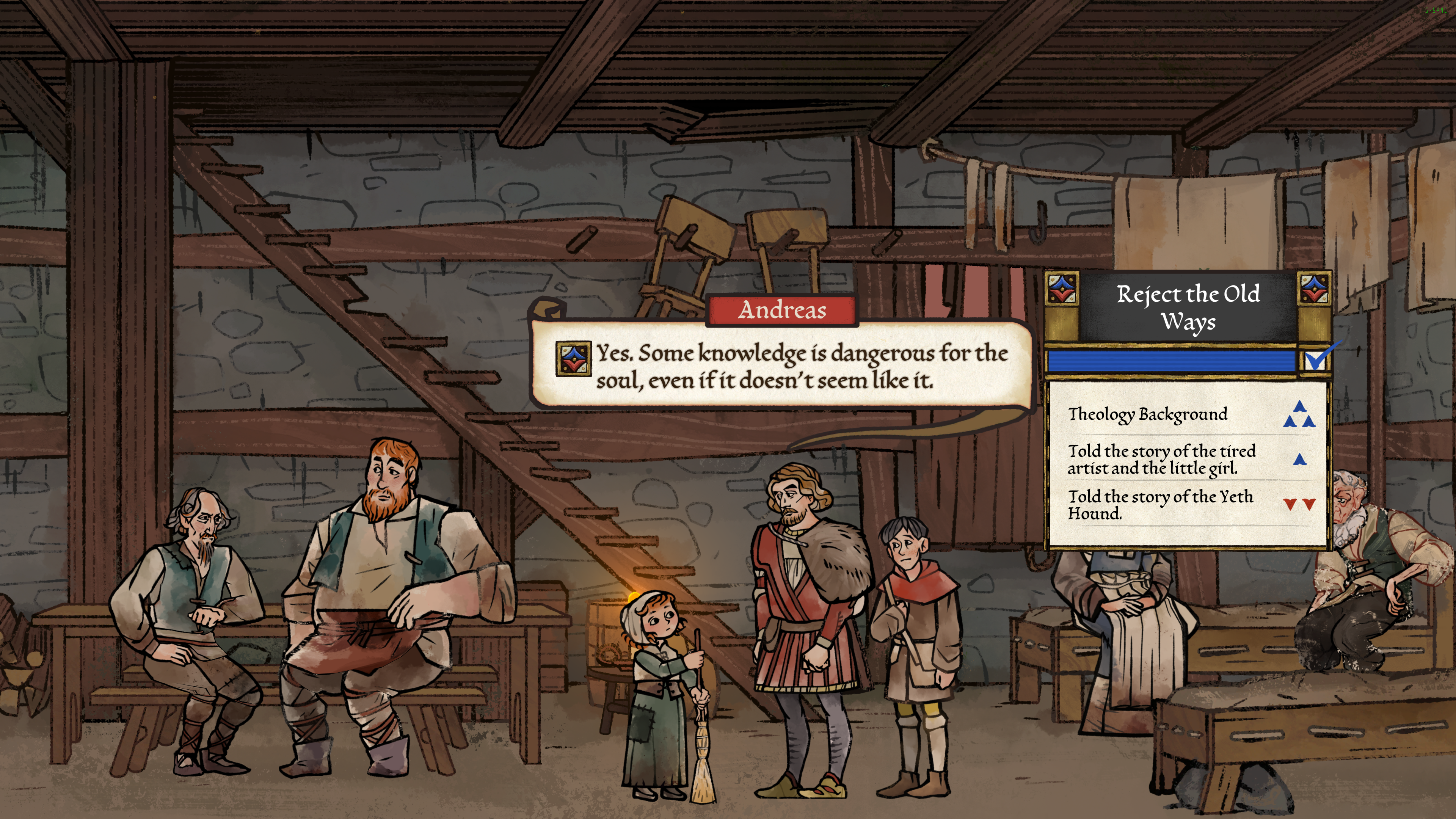
1. Develop Relationships: Your choices have the power to forge or sever bonds with supporting characters, impacting how they perceive Andreas. Develop a keen awareness of how these relationships influence dialogues and persuasion attempts. A compassionate choice may open pathways to deeper connections, while a more pragmatic approach might reflect a harsher reality.
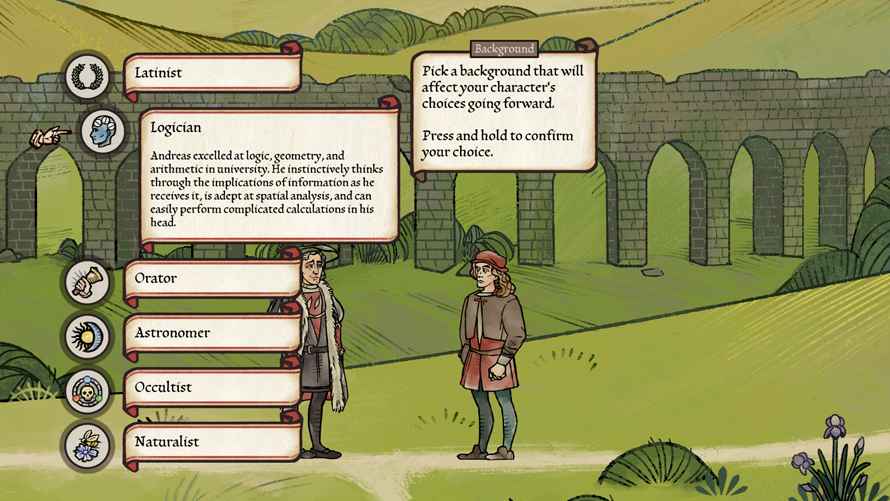
2. Character Alignment: Consider how each decision aligns with the kind of persona you wish to cultivate for Andreas. Whether you lean towards kindness, pragmatism, or a rigid moral code, your choices contribute to a unique character arc that shapes the protagonist’s journey throughout the game.
Engaging with the Narrative Fabric
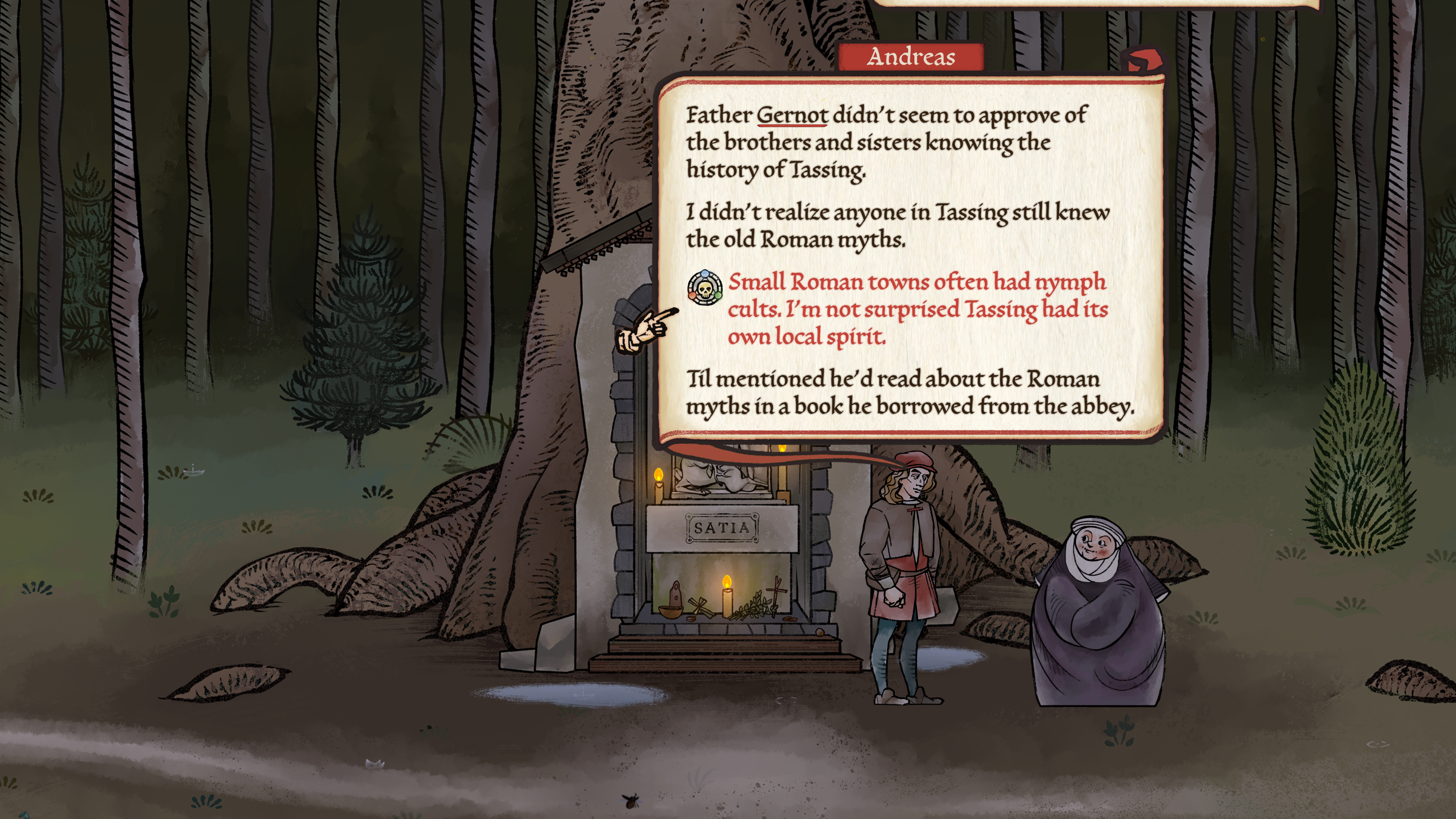
1. Explore Thoroughly: Fully immerse yourself in the conversations and evidence presented. Detailed dialogue and character interactions are crucial to understanding the moral landscape. Engage with different perspectives and analyze the nuances of character motivations and personal histories.
2. Embrace Ambiguity: Prepare yourself for the inherent uncertainty that accompanies your choices. The game is designed to confront players with imperfect resolutions, emphasizing that moral complexity is often a reflection of real-life ethical ambiguity. Recognizing that there may not be a “perfect” solution enhances the narrative experience.
Practical Decision-Making Tips
1. Consider Consequences: Before making a decision, think beyond the immediate ramifications. How will your choice affect the wider community and the dynamics of Andreas’ relationships? Anticipate the long-term effects on the town’s fabric and the fates of key individuals.
2. Be Open to Difficult Outcomes: Accept that some decisions may lead to challenging scenarios that conjure feelings of remorse or doubt. These experiences are integral to the immersive storytelling that Pentiment aims to deliver, making the journey as significant as the outcomes.
Conclusion
In summary, dealing with moral dilemmas in Pentiment involves grappling with a complex tapestry of ethical questions where certainty is rare. By engaging with the story’s depth, embracing ambiguity, and carefully shaping Andreas’ character through your decisions, you can navigate this morally rich landscape. Each choice carries weight, contributing to a personalized narrative filled with meaningful consequences, thereby making your experience uniquely impactful.
Leave a Reply