
In Pentiment, players embark on a narrative-driven journey through the life of Andreas Maler, making pivotal decisions that shape his character and influence the unfolding story. The game is structured around three primary types of choices: background selections, interactions with characters, and critical event decisions, each of which contributes to the unique experience of the gameplay.
Background Choices
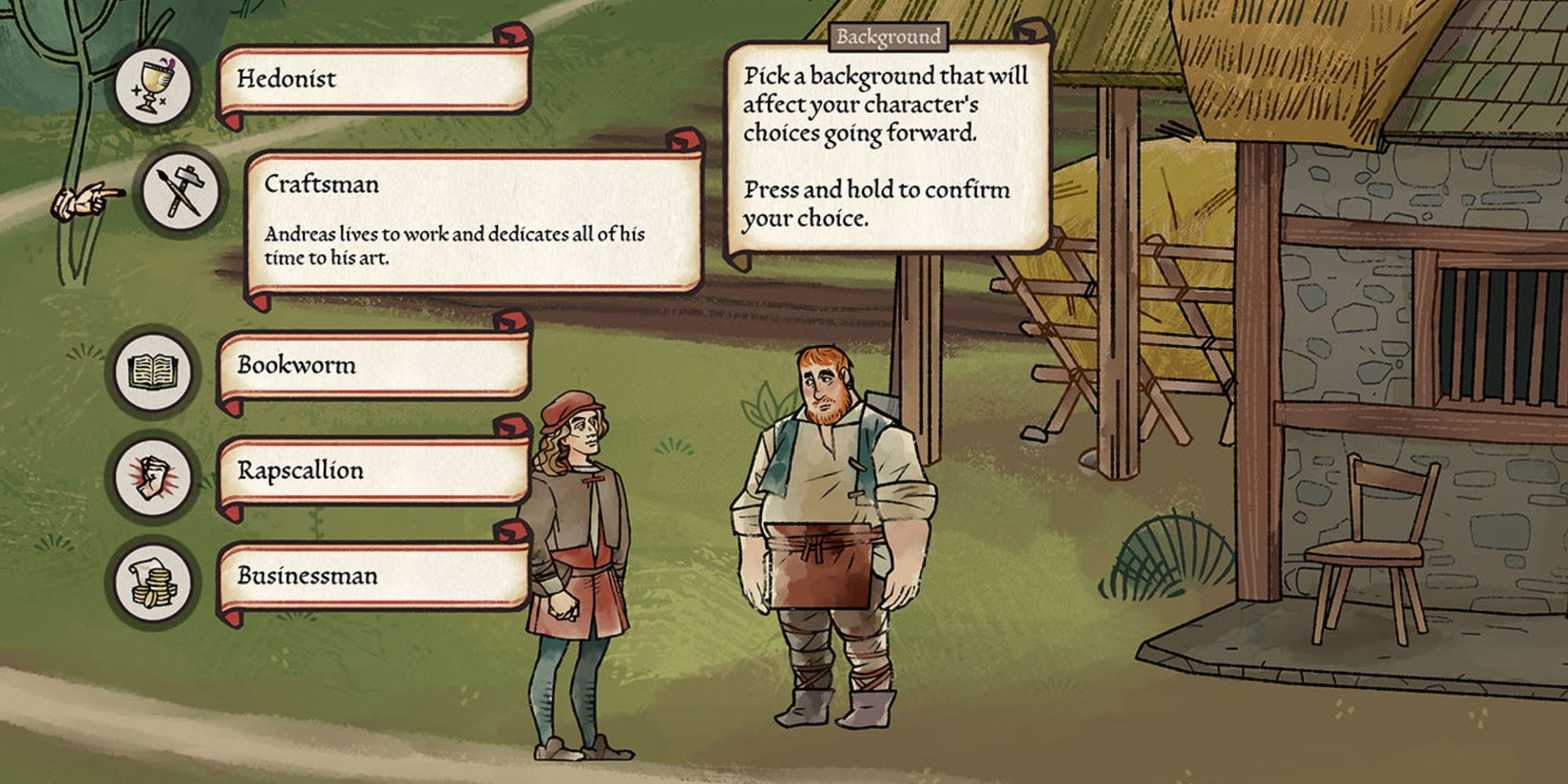
At the outset of Pentiment, players select specific background elements for Andreas that lay the groundwork for his character development:
– Past Residence: This choice does not directly alter Andreas’ skills but sets the context for his experiences and relationships within the town. It provides a foundation for his familiarity with various locations and characters, enriching the narrative backdrop.
– Hobby: Players choose between:
– Bookworm: This selection enhances Andreas’ ability to recognize historical patterns and symbols, aiding his comprehension of manuscripts and folklore, which are crucial for unraveling the game’s mysteries.
– Rapscallion: Choosing this hobby steers Andreas towards a more confrontational approach, potentially leading to violent outcomes, which can alter interactions and responses from other characters.
– Study: This aspect of the background determines Andreas’ area of expertise, influencing how he negotiates social situations and solves the puzzles presented throughout the game.
– Favorite Subject: The options here—Latinist, Logician, Orator, Occultist, and Heavens and Earth—shape Andreas’ strengths in specific areas. Particularly, the Occultist background opens doors to understanding and engaging with the darker themes woven into the narrative.
Interaction Choices
Interactions with various characters throughout the game add layers to the story:
– Caspar: The nature of your interactions with Caspar can lead to significant changes in the game’s dynamic. Being overly strict with him can result in his departure from the town, thus averting potential tragic events and altering the course of narrative progression.
– Accusations: Decisions around whom to accuse of murders serve as critical turning points in the story. While these choices may seal the fate of individuals, their impact on the larger narrative arc is less pronounced, emphasizing the character-driven aspect of the game rather than variability in the overall story.
Event Choices
Key events in the game are influenced by player actions:
– Murder Investigations: The manner in which players approach investigations can lead to varying experiences in character interactions and narrative pacing. Nevertheless, the outcomes of these investigations may not diverge drastically, suggesting a focus on character exploration rather than a multitude of endings.
– Character Relationships: The way players choose to cultivate or distance themselves from relationships profoundly affects character behavior and dialogue. These dynamics enrich the story by allowing players to engage deeply with the characters and the evolving narrative.
Conclusion
In summary, Pentiment presents a complex narrative shaped by the interwoven choices of background selections, character interactions, and critical events. Although these decisions impact the player experience and character development, the overarching storyline remains consistent, highlighting themes of personal growth and exploration. By encouraging exploration of different backgrounds and choices, Pentiment offers players a rich and immersive storytelling experience that rewards deep engagement and thoughtful reflection on the narrative’s themes. Through Andreas Maler, players navigate not just a plot but a vivid tapestry of historical and human experiences, making each playthrough a unique encounter with the story.

Leave a Reply