
Comprehensive Guide to Navigating the Historical Context of Pentiment
Pentiment is an intriguing narrative-driven game that unfolds against the backdrop of 16th century Bavaria, immersing players in a tumultuous period marked by the Protestant Reformation. To fully appreciate the intricacies behind the characters and storylines, it’s critical to delve into the historical setting and themes that shape the game. This guide outlines the essential elements to enhance your gameplay experience.
Historical Setting
Set in the early 1500s, Pentiment immerses players in a region grappling with profound religious and social changes. The Protestant Reformation, initiated by Martin Luther, serves as a pivotal backdrop, leading to a schism in Christian faith that ignited conflicts throughout Europe. Understanding this context is essential, as it shapes the beliefs and behaviors of the characters you will encounter.
Key Historical Influences:
1. Protestant Reformation: Familiarize yourself with Martin Luther’s impact on Christianity, as his teachings instigated fervent debate between Catholic and Protestant factions, significantly influencing daily life and societal interactions during this period.
2. Catholic-Protestant Dynamics: Kiersau Abbey serves as a central location within the game, representing the religious tensions that were prevalent in the community. Characters connected with the abbey may exhibit strong religious biases, which will significantly affect their motivations, relationships, and the unfolding of the murder mystery plot.
Social and Economic Context
The narrative also tackles themes of social hierarchy and economic power, emphasizing how access to resources shapes relationships and governance.
Themes to Consider:
1. Resource Allocation: The game illustrates historical materialism, a concept that highlights how control over resources determines societal structure and power dynamics. Pay attention to how different characters navigate their economic standing as it may drive their decisions and relationships.
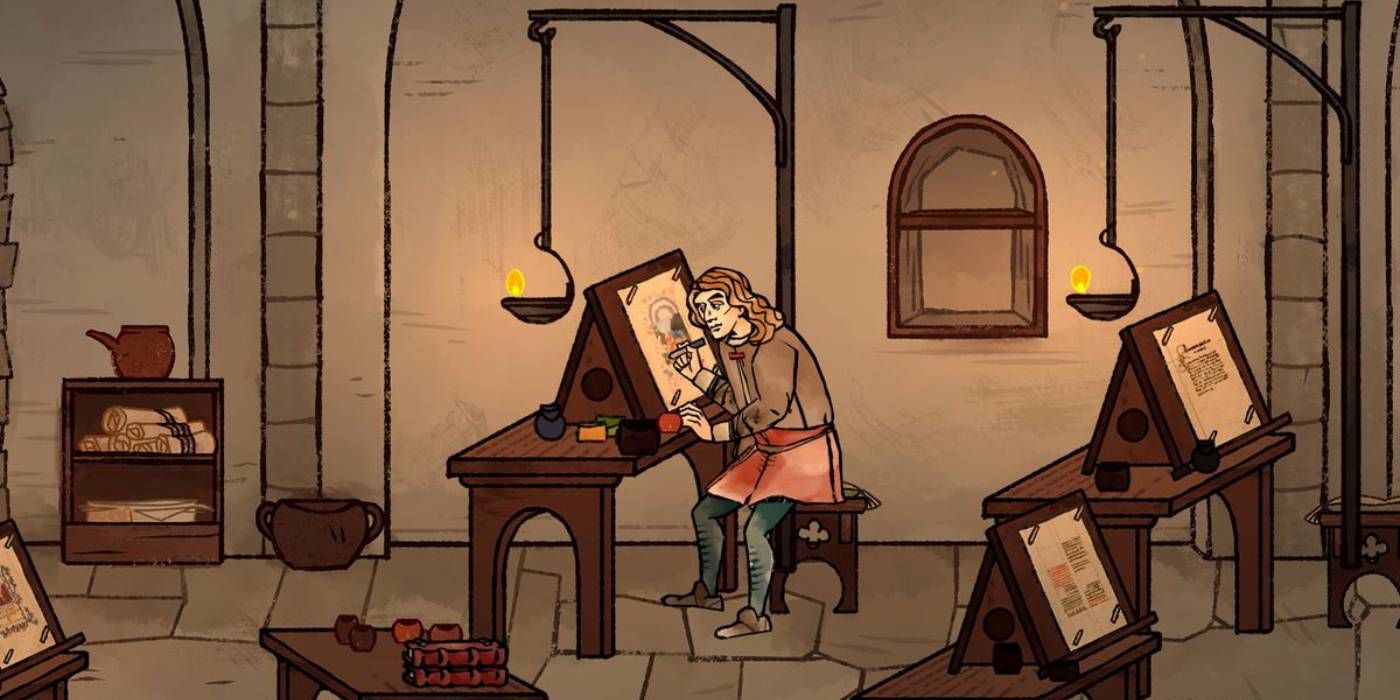
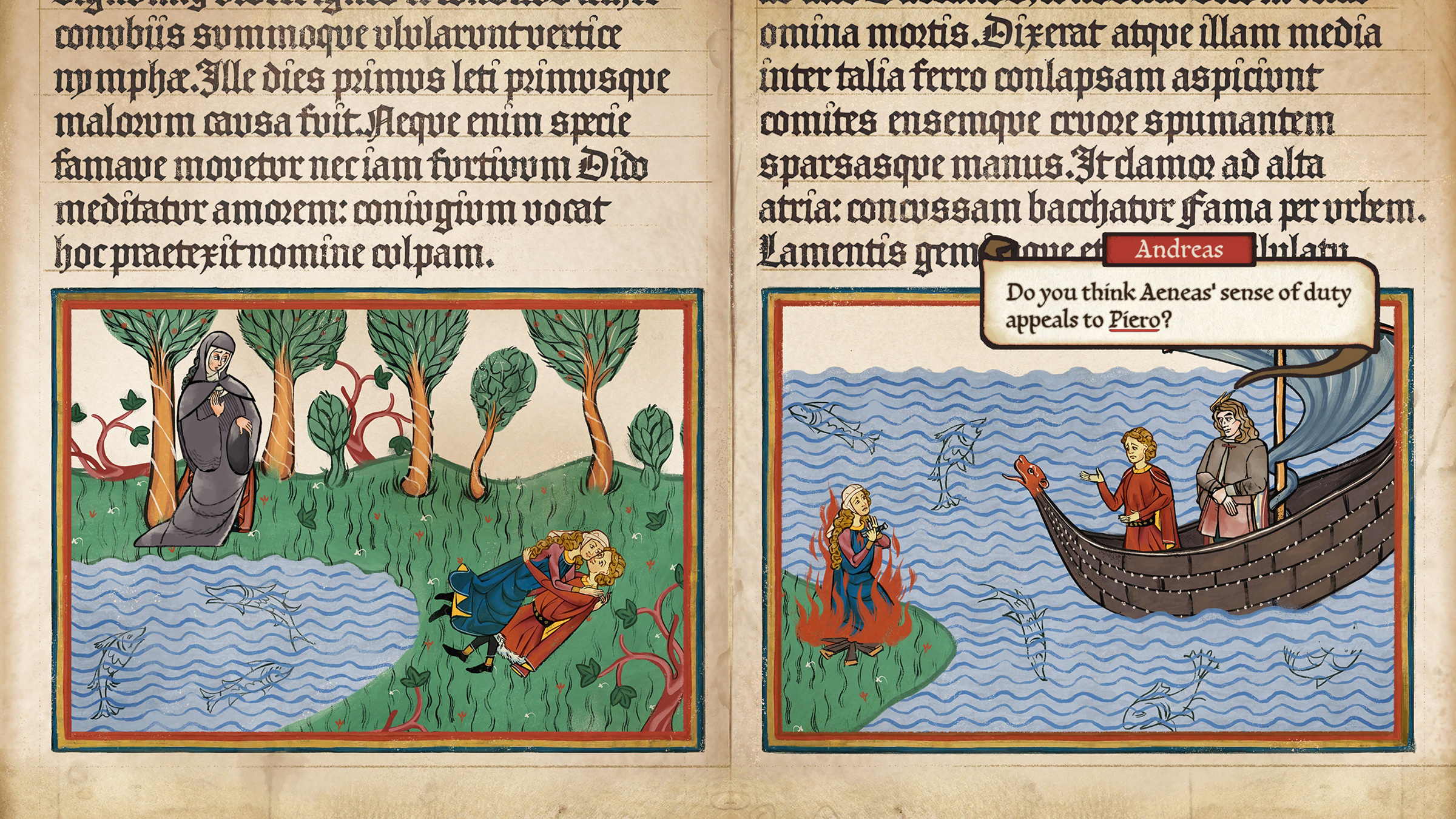
2. Art and Technology: The advent of technologies like typography plays a notable role in the storyline. This period saw a shift in the dissemination of information, leading to changes in social structures and character interactions. Understanding these technological advancements can illuminate character motivations and influence plot outcomes.
Feminist Perspectives and Social Obstacles
Pentiment also examines the societal challenges faced by women during the 16th century, reflecting feminist history and theory.
Feminist Themes:
1. Patriarchy and Social Constraints: Acknowledge the various obstacles women encounter, such as limited rights and social norms that restrict their agency. Observing female characters through this lens can provide deeper insights into their narratives and how they navigate a male-dominated society.
Long-Term Consequences of Choices
The game’s structure allows players to witness the long-term repercussions of their choices over 25 years, incorporating significant historical shifts, such as the Scientific Revolution.
Decision Impact:
1. Understanding Consequences: The timeline is not merely a backdrop but an active element that shapes the narrative. Your choices will resonate through the ages, affecting how character arcs evolve and how historical events play out within the game, enriching the overall narrative.
Conclusion
To navigate the rich tapestry of Pentiment’s world, it’s crucial to grasp the historical and social contexts that inform the characters and plot. Recognizing the interplay of religious tensions, social hierarchies, technological advancements, and feminist issues will enable you to delve deeper into the game’s mysteries. In doing so, you’ll appreciate the nuances of character motivations and the far-reaching impacts of your decisions throughout the story. Embrace the complexities of this historical milieu as you embark on your journey through Bavarian history in Pentiment.
Leave a Reply