
In Pentiment, developed by Obsidian Entertainment, the intricate tapestry of characters greatly enhances the narrative and gameplay experience, ultimately leading to a rich exploration of morality, culture, and human relationships set against a medieval Bavarian backdrop. Here is a more detailed examination of the roles of various key characters within the game:
Protagonist and Main Characters
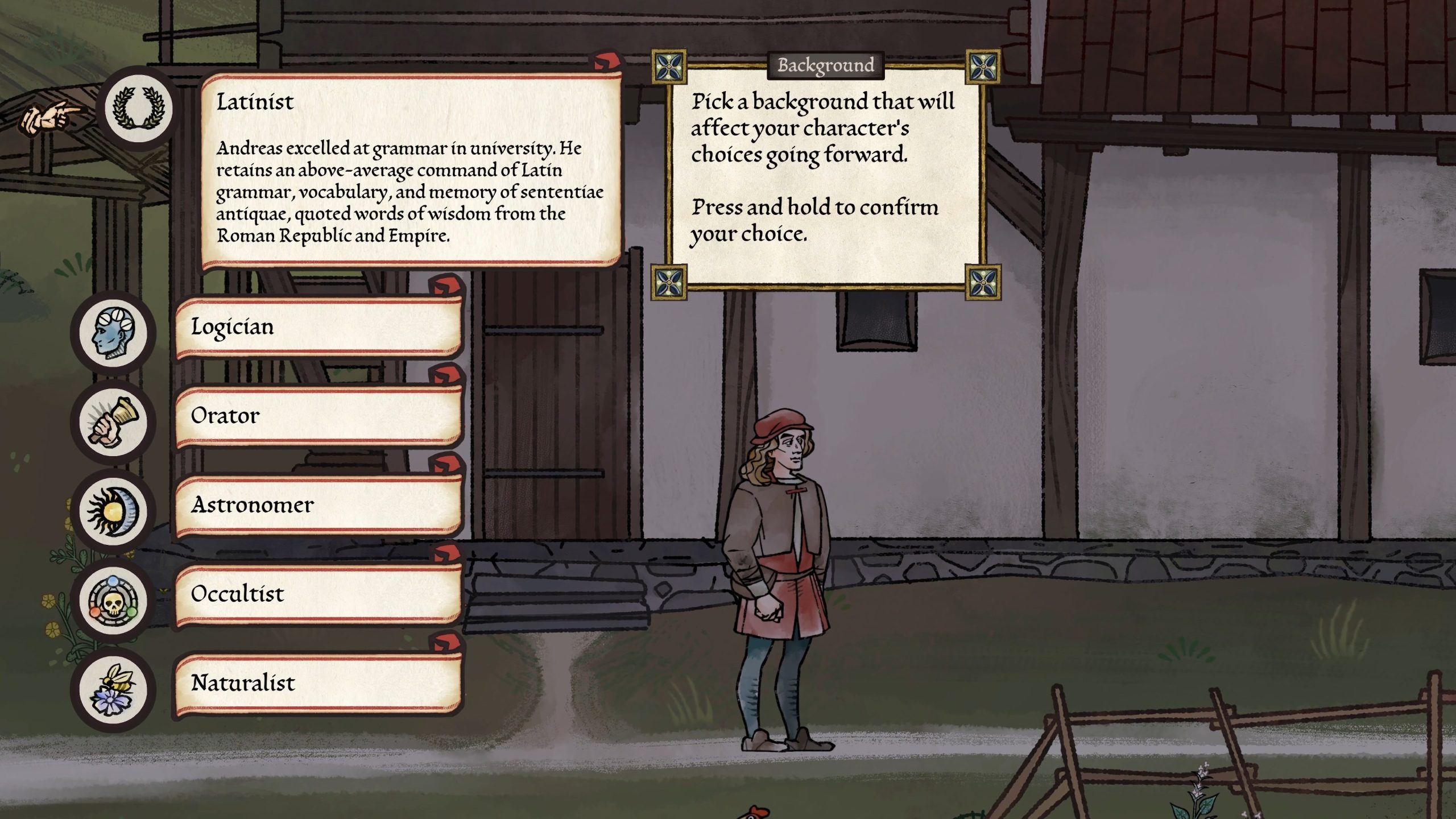
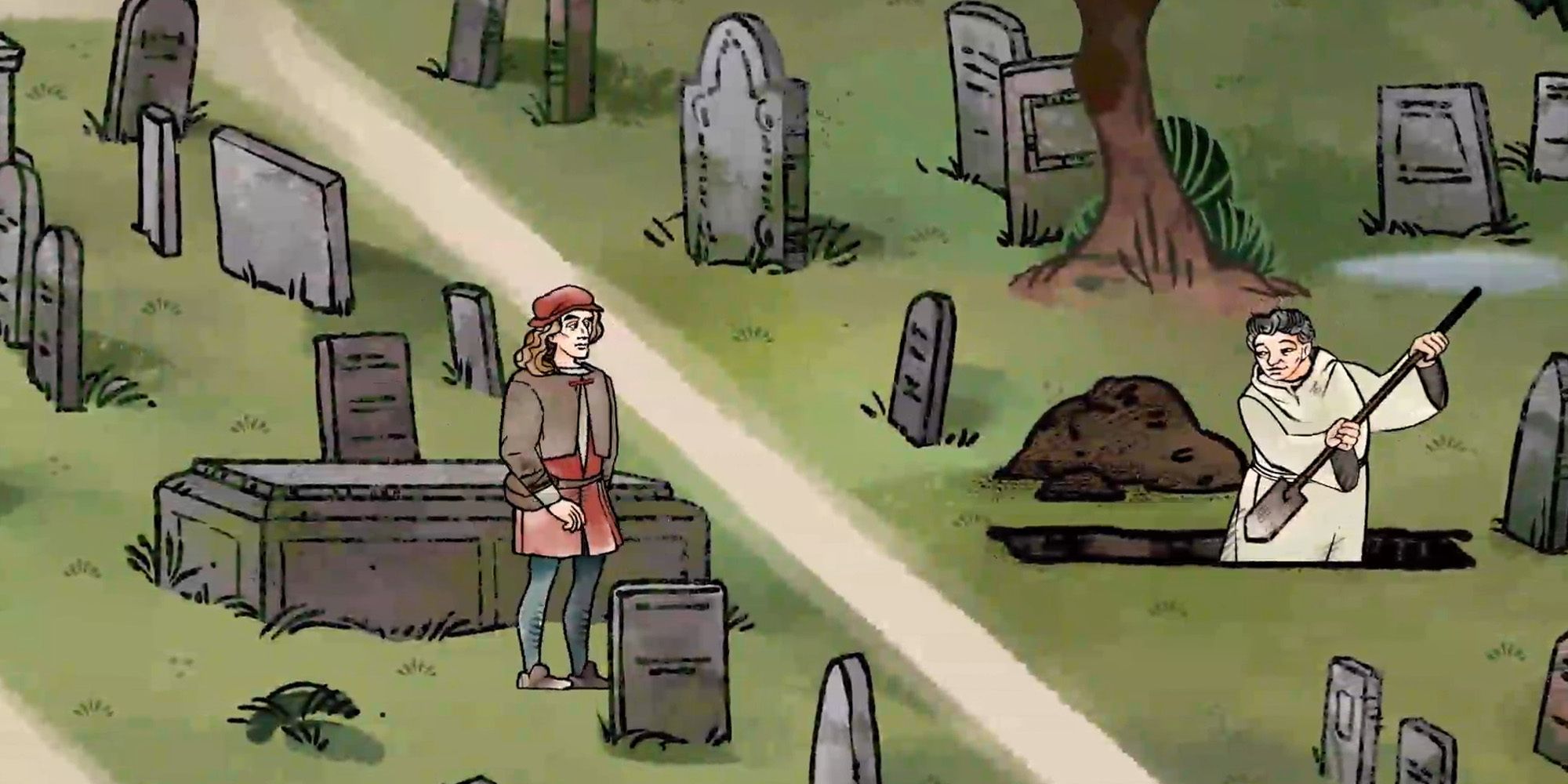
– Andreas Maler: As the central figure of the narrative, Andreas is a young artist whose journey unfolds over multiple years, allowing players to witness his evolution in response to the events around him. His choices, shaped by his background and experiences, significantly influence interactions and the trajectories of other characters, ultimately affecting the game’s outcome. Players can tailor Andreas’ skills and interests, allowing for a personalized narrative experience.
– Brother Piero: Serving as both mentor and spiritual guide, Brother Piero represents wisdom and moral complexity. His wrongful accusation as a murderer acts as a catalyst for the story, prompting Andreas to investigate and explore moral dilemmas while highlighting themes of faith and redemption within the community.
– Ill Peter Gertner: The embodiment of the town’s connection to its pagan roots, Ill Peter adds depth to the cultural narrative. His insights into the town’s history and its ancient practices offer players a lens through which to understand both the social dynamics of Tassing and the emergent conflicts between tradition and progress.
Supporting Characters
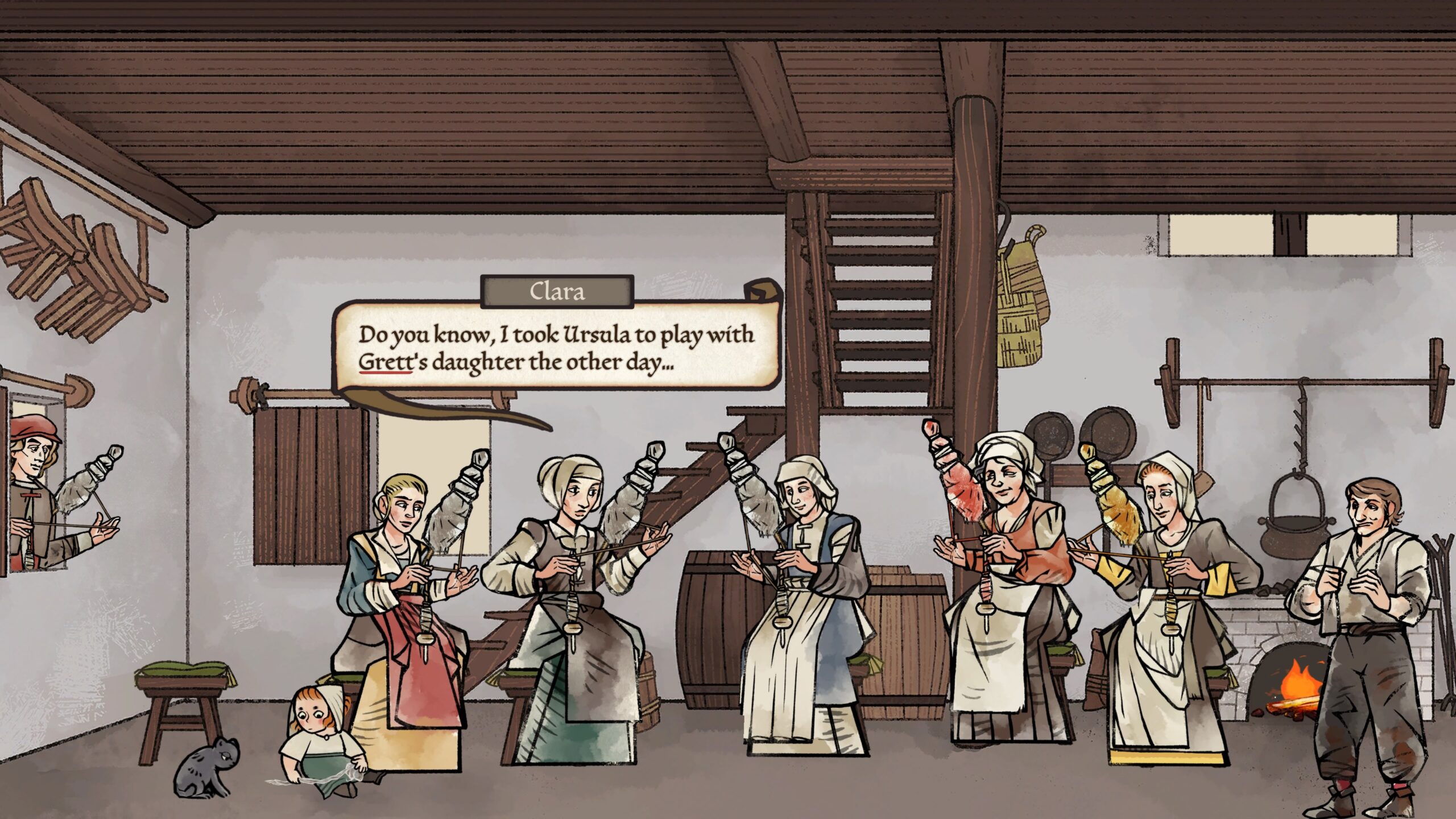
– Ursula: The daughter of Clara and Peter, she grows from a curious child to a significant player in the unfolding story. Ursula’s relentless pursuit of her heritage and pagan history underscores the tension between modern beliefs and ancient traditions, serving as a thematic bridge for the game’s exploration of generational conflict and cultural identity.
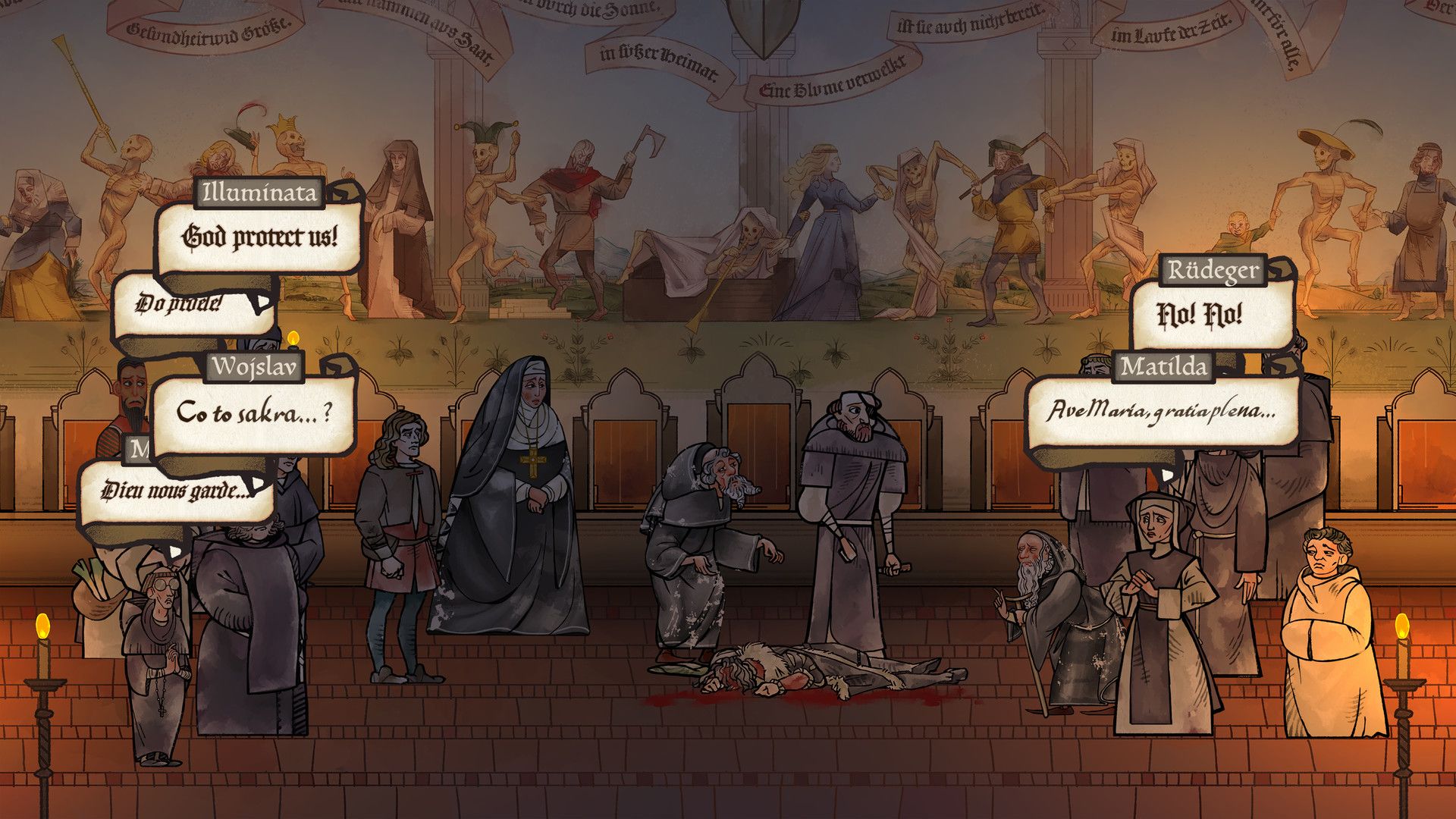
– Sister Gertrude and Sister Illuminata: These nuns provide a counterbalance to the male-dominated perspectives in the game. Sister Gertrude, with her unwavering faith, contrasts sharply with Sister Illuminata’s more progressive worldviews. Their interactions with Andreas can guide him into deeper moral contemplations, especially as he navigates the challenges facing the convent and the town.
– Vacslav: Known for his strong personality, Vacslav is interwoven into the village’s social fabric. He represents the voice of the people, embodying the everyday struggles and cultural nuances of the community. His interactions with Andreas can reveal truths about village politics and the local dynamics that drive the plot forward.
– Claus Drucker: Another villager whose interactions with Andreas serve to flesh out the social dynamics of Tassing. Claus represents the common man, whose perspectives and concerns ground the narrative in the lived experiences of village life and highlight the interconnectedness of the characters.
– Ulrich Alban: His involvement in the story offers additional layers to the community’s complexity and reflects the collective challenges facing the villagers amid the unfolding murder mystery, emphasizing themes of trust and betrayal.
Background Choices Impact
The ability for players to choose Andreas’s background not only informs his skills and hobbies—such as being a Logician or Orator—but also shapes his rapport with NPCs throughout the game. These choices lead to distinctive dialogues and potential outcomes, drawing players deeper into the world and allowing for a multitude of narrative pathways based on their choices. This design encourages replayability, as players can explore different narrative angles based on their selections.
Interaction with NPCs
Pentiment is rich in character interactions, emphasizing dialogues that can shift based on player choices. The game’s structure allows players to navigate complex relationships, and understanding the cultural and linguistic backgrounds of NPCs can unlock new interactions and deepen the storyline. As Andreas converses with various townsfolk, he can garner insights that are essential for unraveling the central mystery, showcasing how personal relationships can drive narrative progression.
Conclusion
In Pentiment, characters are not just passive elements of the story; they are dynamic forces that shape the experience through their interwoven lives and perspectives. Each character contributes uniquely to the larger narrative, providing players with a multifaceted understanding of the themes at play. This layered storytelling, combined with a deeply engaging setting, results in a profound exploration of personal and collective identities that extends far beyond traditional gaming narratives. The choices between Andreas’ backgrounds and his interaction with a diverse cast of NPCs ensure a deeply immersive and personalized experience, making the characters essential to the richness of the game.
Leave a Reply