
Interpreting Symbolic Imagery and Dream-Like Sequences in Senua’s Saga: Hellblade II
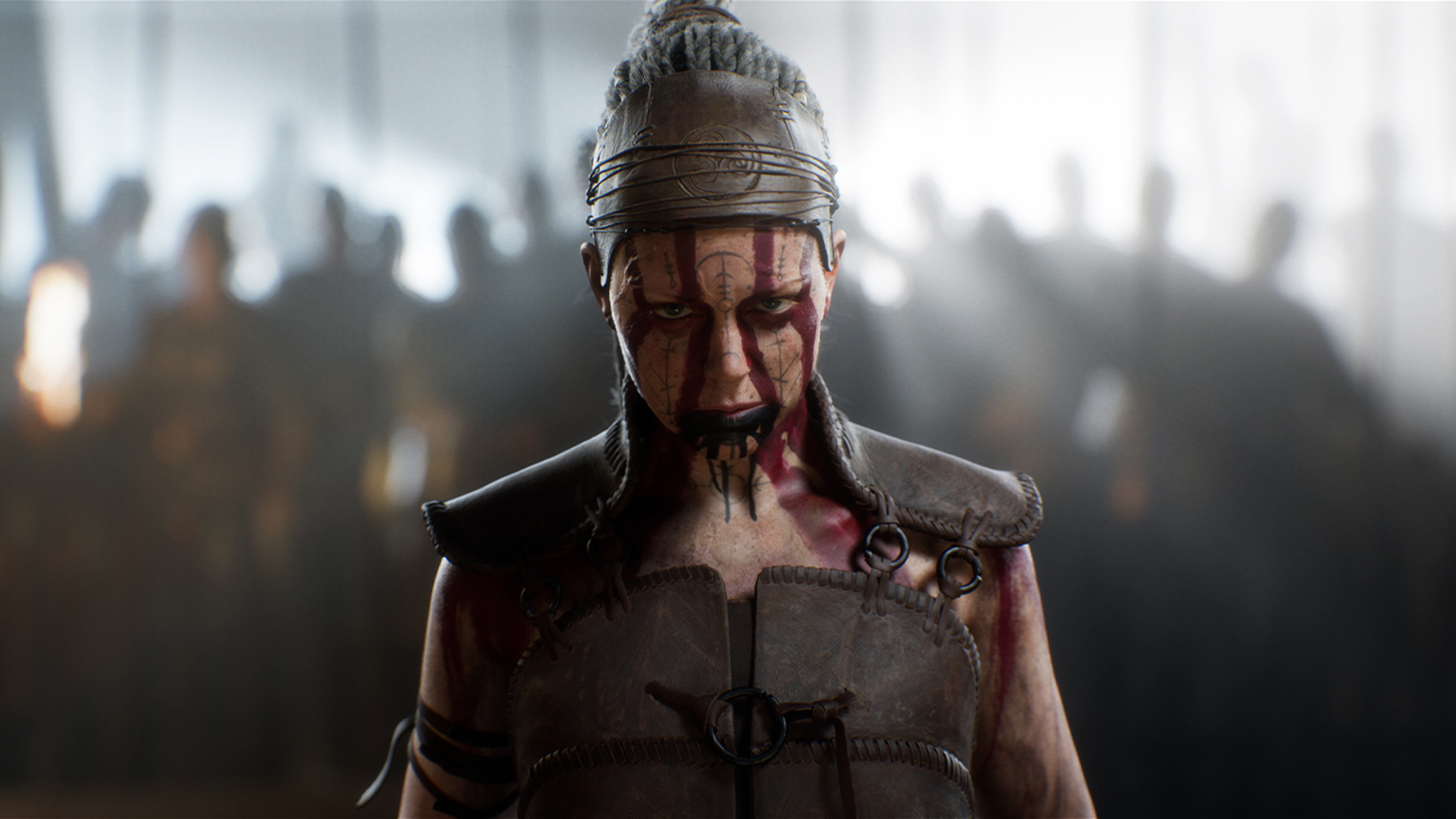
Senua’s Saga: Hellblade II weaves a complex narrative that intricately combines elements of Norse mythology, the historical backdrop of 10th-century Iceland, and the protagonist Senua’s experiences with psychosis. Understanding the symbolic imagery and dream-like sequences in the game necessitates a multi-faceted approach, considering the various layers of meaning embedded within the storyline and visual elements.
Understanding the Game’s Narrative Context
1. Norse Mythology:
– The game’s foundation is deeply rooted in Norse mythology, characterized by a rich assortment of gods, creatures, and realms. The incorporation of mythological entities serves not only as a narrative device but also as a means to explore Senua’s psyche. Players may encounter beings such as giants that symbolize both external real-world challenges (such as volcanic eruptions) and internal battles against her own fears and regrets.
2. Historical Context:
– Set against the backdrop of 10th-century Iceland, players experience a world marked by Viking culture and the environmental disasters that often threatened societies at that time. The historical context enriches the narrative, providing a tangible setting that can mirror Senua’s internal turmoil. Interpreting scenarios involving natural catastrophes requires attention to their possible literal and symbolic meanings.
3. Psychosis and Symbolism:
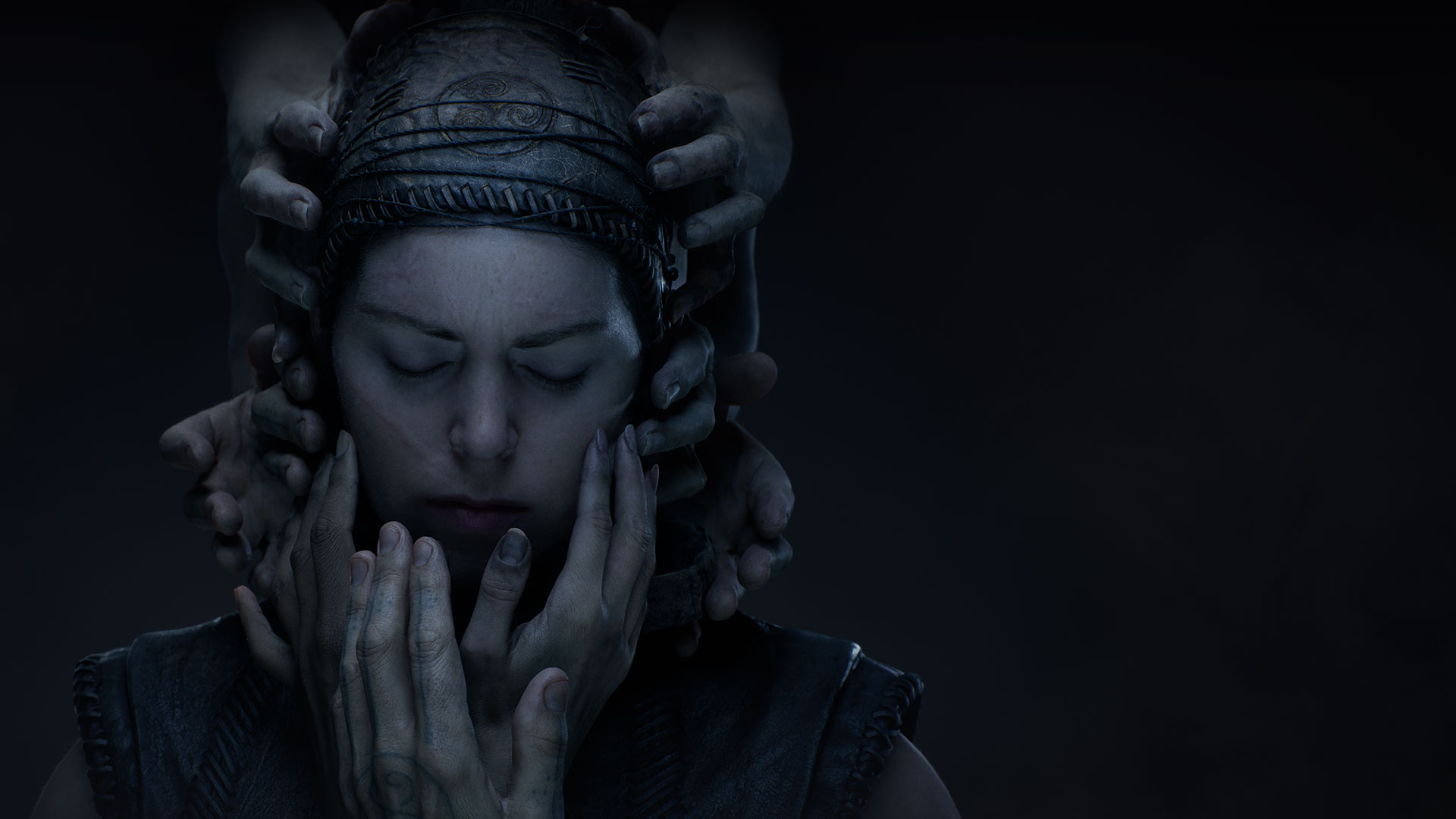
– Senua’s journey is clouded by her experiences with psychosis, which manifests through dream-like sequences that challenge the boundaries of reality and perception. These sequences symbolize her struggles with trauma, guilt, and efforts to comprehend her environment. Understanding this psychological dimension is crucial for interpreting the events she endures.
Interpreting Dream-Like Sequences
1. Symbolic Beings and Events:
– Giants: As formidable figures within the game, giants can represent external threats or physical manifestations of Senua’s psychological battles. Their ambiguity—whether representing tangible dangers or her inner demons—adds depth to her character’s journey.
– Real vs. Imagined: The game maintains a deliberate obscurity concerning the nature of certain events. This duality invites players to question what is real versus what might be a figment of Senua’s mind, enriching the narrative experience.
2. Norse Inspired Realms:
– Senua’s interactions with spiritual entities reflect her connections to Norse beliefs, particularly the concept of seeresses who communicate beyond the veil of death. These engagements can symbolize her grapple with loss and her quest for strength amidst suffering.
3. Senua’s Internal Conflict:
– The dream-like sequences often encapsulate Senua’s guilt and trauma. As she navigates these surreal experiences, they serve as powerful metaphors for her path toward healing and self-discovery.
4. Literal and Allegorical Interpretations:
– Several game elements, such as the character Goði, can be interpreted on multiple levels. While he is a literal character, he symbolizes broader societal issues and suffering, demonstrating the game’s layered storytelling approach.
Practical Tips for Interpretation
– Contextual Understanding: Engage with the environmental and narrative context surrounding sequences. This awareness deepens comprehension of whether events symbolize Senua’s struggles or represent historical authenticity.
– Puzzles and Symbolism: Engaging with in-game puzzles, such as the glyph sequences in Freyslaug, requires observation and critical thinking. Solving these riddles can symbolize Senua’s ability to confront and unravel her inner turmoil, revealing hidden truths.
– Character Interactions: Pay attention to Senua’s relationships, especially with characters like Thorgestr and Fargrimr, as they can provide insights into her mental state and the legitimacy of her experiences.
– Mythological References: A foundational knowledge of Norse mythology greatly enhances the players’ understanding of the myriad of symbolic creatures and occurrences. This background can lead to richer interpretations of the narrative and its significance.
Conclusion
Senua’s Saga: Hellblade II presents a profound exploration of its protagonist’s psychological landscape, woven intricately with historical contexts and mythological undertones. Interpreting the game’s symbolic imagery and dream-like sequences requires an open mind, a deep understanding of its narratives, and an appreciation for the complexity of Senua’s character. By embracing multiple interpretations, players can fully engage with the game’s emotional depth and thematic richness, ultimately gaining insight into Senua’s powerful journey toward healing and acceptance.


Leave a Reply