
The sound design in Senua’s Saga: Hellblade II is a crucial element that significantly shapes the gameplay experience, enhancing immersion, storytelling, and emotional engagement. Here’s a comprehensive look at how sound influences gameplay decisions across various aspects:
Immersion and Realism
Binaural Audio
The game utilizes advanced binaural audio techniques to create a 3D audio experience that mirrors real-world hearing. Players equipped with headphones can discern the direction and distance of sounds, which elevates the immersion level. This technology not only heightens the player’s awareness of their surroundings but also emphasizes the psychological depth of Senua’s journey, making players feel as if they are truly within her world.
Environmental Soundscapes
Recorded on location in picturesque settings like Iceland, Scotland, and Wales, the use of ambisonics allows the game to present rich and realistic ambient soundscapes. These soundscapes significantly contribute to the overall atmosphere of the game, drawing players into the diverse environments and making them feel genuinely present in Senua’s experiences.
Storytelling and Atmosphere
Psychosis Representation
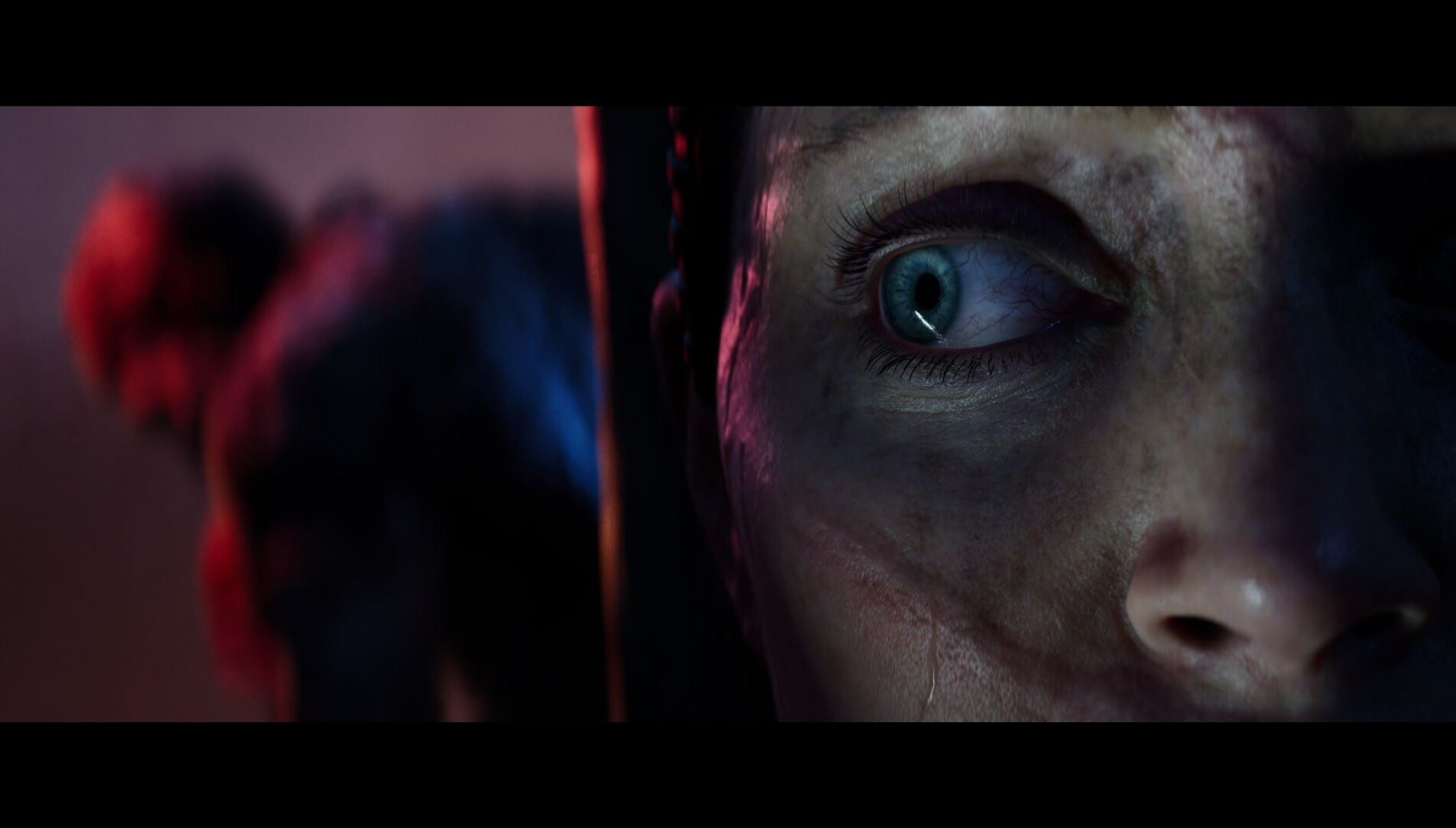
The sound design provides a profound representation of Senua’s psychosis. Through the use of disembodied whispers and auditory hallucinations, players gain insight into Senua’s mental challenges. This auditory experience is not merely a backdrop; it actively shapes the narrative by allowing players to experience the fragmented and often chaotic nature of Senua’s mind, thereby enhancing the emotional weight of the story.
Acoustic Behavior
Implemented through Project Acoustics, this technology ensures that sound behaves authentically within the game world. For instance, sounds realistically echo off physical surfaces and traverse through spaces, which not only aligns with real-world physics but also amplifies the tension during gameplay. This realism invites players to engage more deeply with the environment and the challenges it presents.
Gameplay Decisions Influenced by Sound Design
Combat and Stealth
The immersive audio environment allows players to assess their surroundings effectively, tracking enemy positions and reacting to environmental cues. This acute awareness shapes strategic choices in combat scenarios, where sound can provide critical information on enemy movements or stealth opportunities. Players must use auditory feedback to navigate encounters tactically.
Puzzle Solving
In some gameplay moments, sound cues are integral to solving complex puzzles or interacting with the environment. The precise placement of sounds, aided by Project Acoustics, assists players in understanding sound propagation, which is vital for navigating challenges. This interactive element encourages players to listen intently and incorporates sound as a mechanic that is as important as visual elements in puzzle-solving.
Emotional Connection
The vivid auditory portrayal of Senua’s psychological state fosters a deeper emotional connection between the player and the protagonist. As players navigate Senua’s harrowing experiences through her audible struggles, they form a more profound attachment to her character. This emotional investment inevitably influences player decisions in story-related scenarios, as they resonate with Senua’s triumphs and tribulations.
Development Process
AI and Human Collaboration
Ninja Theory utilizes AI to generate placeholder audio, facilitating the development process, particularly in timing and animation planning. However, the final audio performances are rendered by human actors to preserve authenticity and emotional resonance within the narrative. This ensures that the audio’s emotional package is driven by real human expression, enhancing player engagement.
Team Collaboration
The sound design team collaborates closely with other departments within the game’s development to ensure audio harmonizes effectively with visuals and gameplay mechanics. This interdisciplinary approach is essential for crafting a cohesive and immersive experience, where sound complements the visual storytelling and enriches the overall gameplay experience.
Conclusion
In conclusion, the sound design in Senua’s Saga: Hellblade II profoundly shapes gameplay by enhancing immersion, advancing storytelling, and creating emotional ties that inform player actions. Through innovative audio techniques, the game invites players to experience Senua’s journey in a deeply engaging and interactive manner. The meticulous attention to sound not only underlines gameplay mechanics but also intertwines with the narrative, creating a memorable and impactful experience that resonates with players.




Leave a Reply