
In “Senua’s Saga: Hellblade II,” several notable advancements in puzzle mechanics differentiate it from its predecessor, offering players a richer experience that enhances both gameplay and narrative immersion. Below, we outline the key differences in puzzle mechanics between the two games:
1. Diversity and Type of Puzzles
Hellblade II broadens the scope of puzzles significantly, introducing new mechanics focused on environmental manipulation. Instead of primarily relying on symbol-matching puzzles, as seen in the original game, players now engage with puzzles that challenge them to change and manipulate their environment. This shift not only decreases the repetitiveness inherent in symbol puzzles but also fosters a more engaging and varied puzzle-solving experience.
2. World-Shifting Environment Puzzles
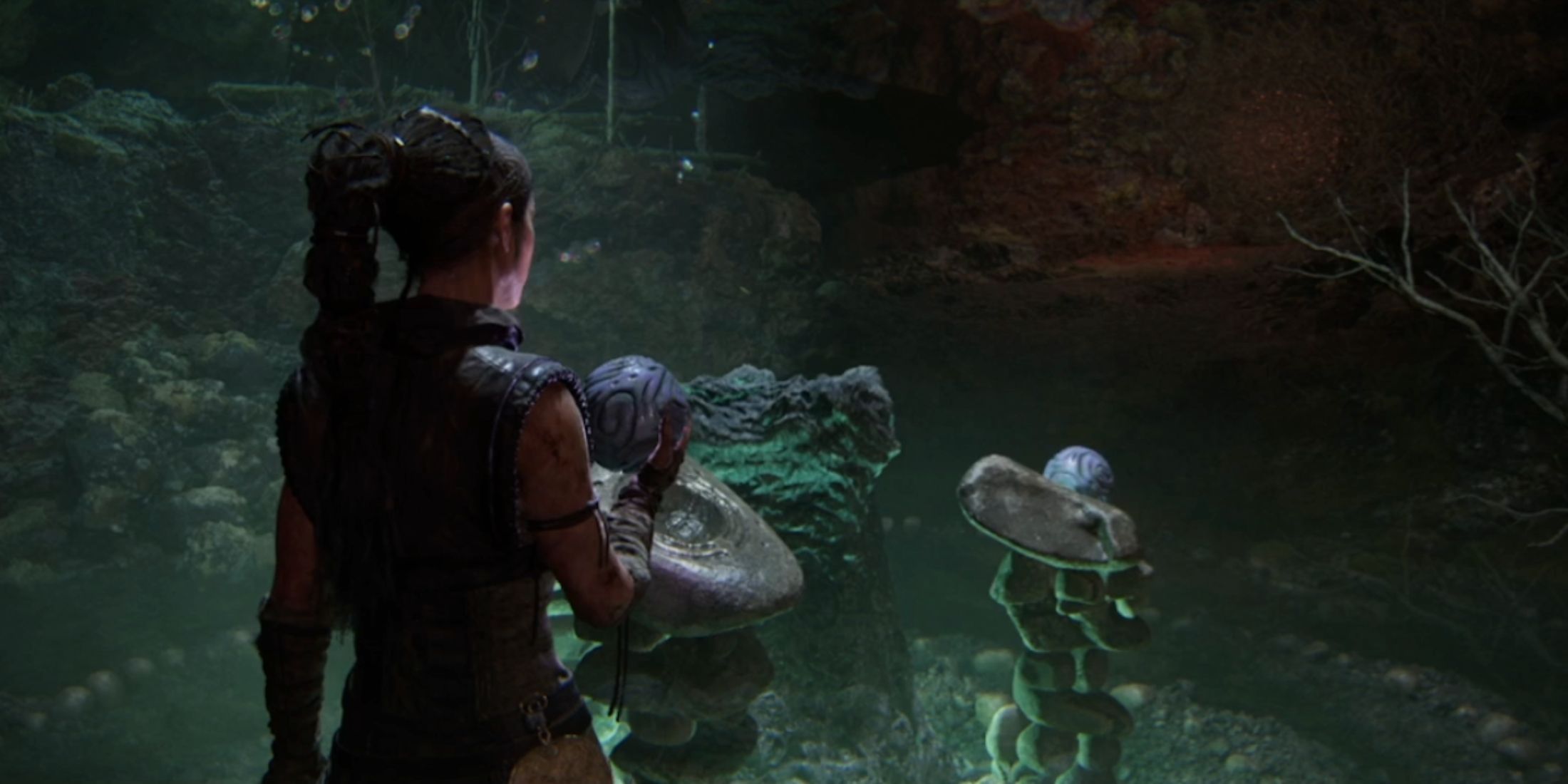
The sequel emphasizes dynamic interactions with the environment, a feature that plays a crucial role in puzzle-solving. Players utilize methods such as “bubbles” or “silver orbs” that facilitate environment shifts, opening new pathways or uncovering hidden items. These complexities enhance realism and depth in puzzles, compelling players to think creatively and strategically. The incorporation of the Focus mechanic—present in the first installment—is expanded, providing more diverse applications that enhance interaction with the surroundings.
3. Perspective and 3D Perception
While both games require a solid understanding of 3D perception, Hellblade II elevates this aspect by demanding more acute spatial awareness. Players must often align objects or symbols within the environment to solve puzzles, mirroring familiar mechanics from the first game but executing them in innovative ways. This shift towards environmental observation adds a fresh layer of challenge, making the experience feel more integrated into gameplay.
4. Rune Puzzles and Barrier Mechanics
The introduction of rune puzzles marks a significant evolution in puzzle design. Players are tasked with aligning floating objects to match symbols on barriers, requiring precise manipulation of perspective to achieve correct alignment. This new element fosters a greater reliance on observation and experimentation, especially in the absence of on-screen tutorials, encouraging players to explore and interact with the game world more deeply.
5. Environmental Interactions and Cinematic Puzzles
Hellblade II also introduces “cinematic puzzles,” blending gameplay with narrative through rhythmic navigation in harmony with environmental sounds or music. This incorporation of cinematic elements enriches the immersive experience, making each puzzle feel like a meaningful progression within the story rather than an isolated challenge. Such integration underscores the emotional weight of the puzzles and their connection to Senua’s journey.
Conclusion
In conclusion, Senua’s Saga: Hellblade II significantly enhances the puzzle mechanics from the first game by incorporating a broader variety of engaging and dynamic challenges. The focus on environmental manipulation, spatial awareness, immersive narrative integration, and the elimination of repetitive symbol puzzles collectively create a more nuanced gameplay experience. As a result, players are encouraged to explore, experiment, and engage with the world in a way that feels cohesive with Senua’s ongoing saga.


Leave a Reply