
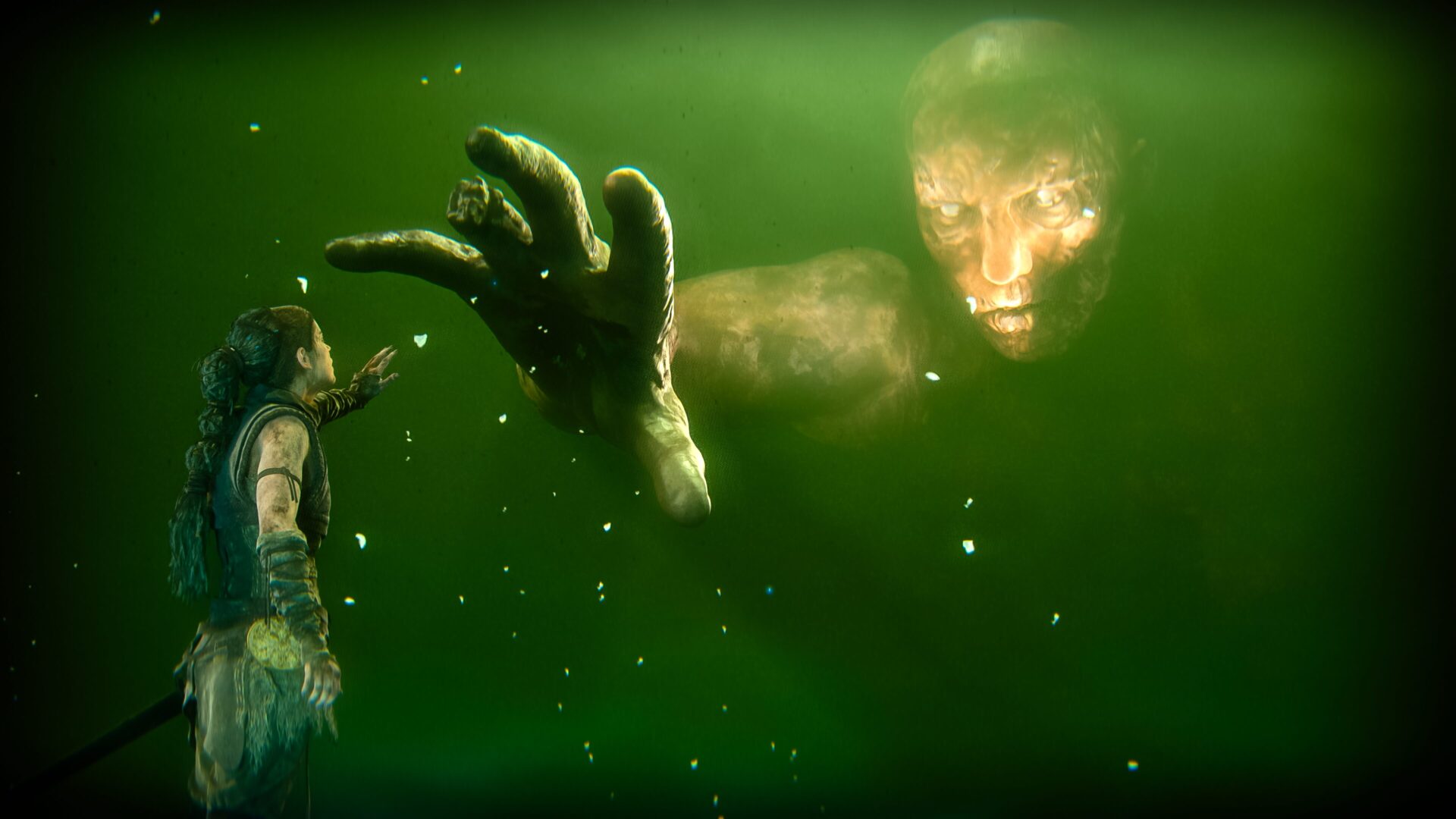
In Senua’s Saga: Hellblade II, the voices in Senua’s mind, particularly embodied by the Furies, serve critical roles that intertwine gameplay mechanics with narrative elements, thereby deepening both player engagement and emotional investment in the story.
Role of the Voices in Gameplay
1. Navigation and Puzzle Solving: The Furies act as guides for Senua, providing subtle clues that aid players in exploring the game’s environment and tackling the various puzzles. This approach ensures that players remain actively engaged in the challenges, seeking out solutions while experiencing the tension and intrigue of discovering the environment alongside Senua.
2. Combat Guidance: During combat, the voices contribute strategic insights, helping Senua make decisions in high-pressure situations. However, they also introduce elements of self-doubt and internal conflict. This duality not only enhances gameplay by creating tension during battles but also mirrors the complex experiences of those managing psychosis, reflecting how their thoughts can oscillate between assistance and criticism.
3. Psychological Insight: The voices provide players with a window into Senua’s emotional state, allowing for a deeper understanding of her psychological struggles. This insight not only enriches the player’s connection with the character but also layers the gameplay with emotional weight, as players witness the impact of Senua’s mental health on her decision-making and perception.
Representation of Psychosis
– Realistic Portrayal: The depiction of the voices is carefully crafted to authentically represent the experiences of individuals dealing with psychosis. Ninja Theory’s collaboration with mental health professionals ensures that the game honors and respects the complexities of mental health issues, offering a depiction that is both sensitive and informative.
– Audio Design: Utilizing binaural audio, the game creates an immersive auditory experience, simulating the sensation of auditory hallucinations. This technique not only immerses players in Senua’s world but also fosters a sense of empathy towards her experiences. Players are more likely to feel and understand the weight of Senua’s psychological battles through this innovative audio approach.
Impact on Storytelling
– Narrative Integration: The voices are intricately woven into the fabric of the narrative, influencing how Senua perceives and interacts with her environment. They add layers of psychological horror and mystery to the storyline, allowing players to experience the game not only as a visual adventure but as a complex emotional journey.
– Character Development: The evolution of Senua’s character is heavily influenced by the voices in her head. As she confronts her psychological challenges, the voices embody her strengths and weaknesses, making her a richly developed protagonist. This complexity allows players to engage with her story on a deeper level, fostering a sense of connection and investment as they witness her struggles and triumphs.
Conclusion
In conclusion, the voices in Senua’s head in Hellblade II are integral to the game’s immersive experience, acting as both a gameplay mechanic and a profound narrative device. They enhance player engagement through navigation and combat, represent the nuanced portrayal of psychosis, and play a pivotal role in shaping Senua’s character development. This multifaceted approach not only enriches the storytelling but also cultivates a deeper understanding of mental health struggles, making Senua’s Saga: Hellblade II a compelling exploration of the human psyche.



Leave a Reply