
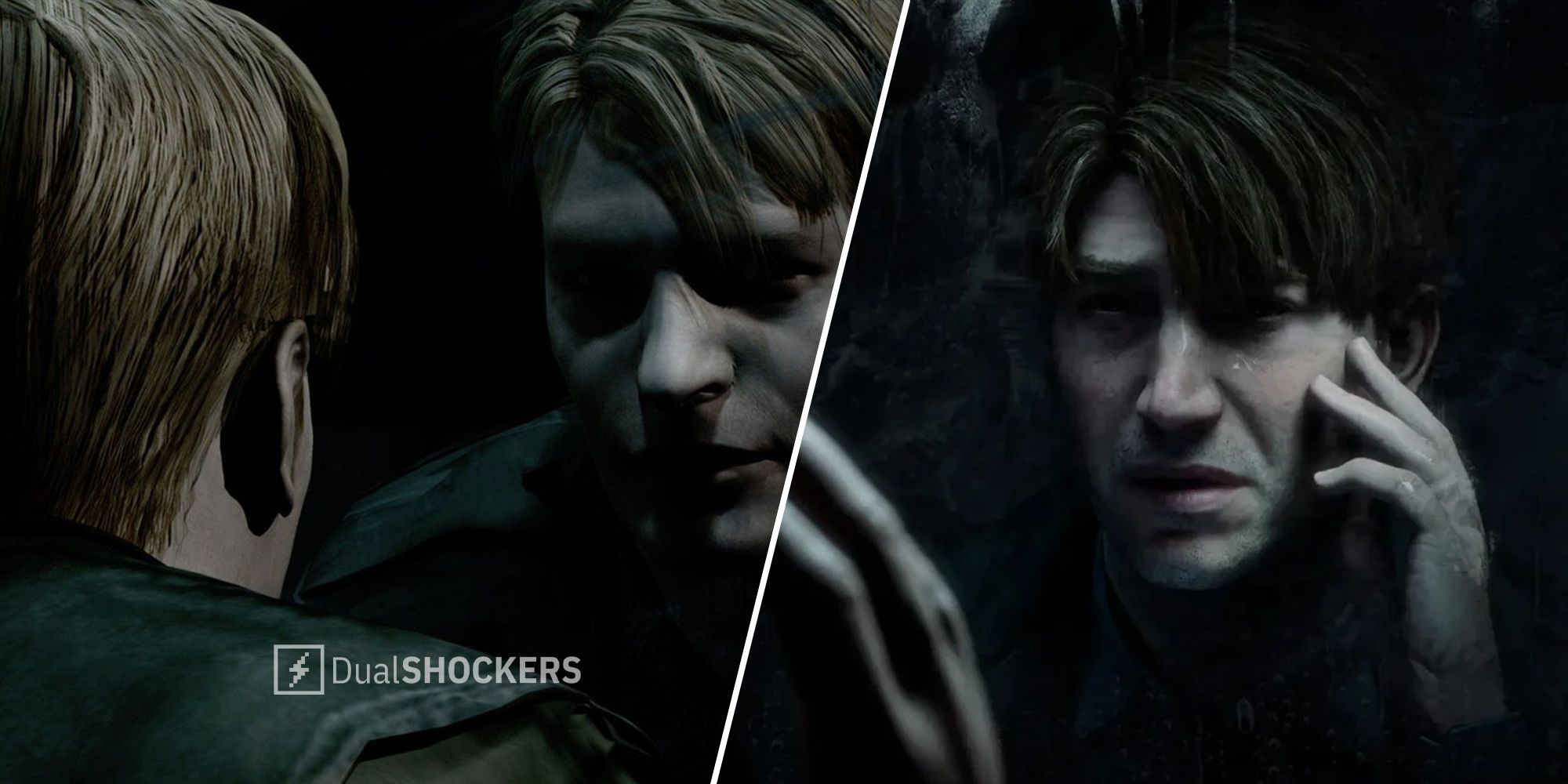
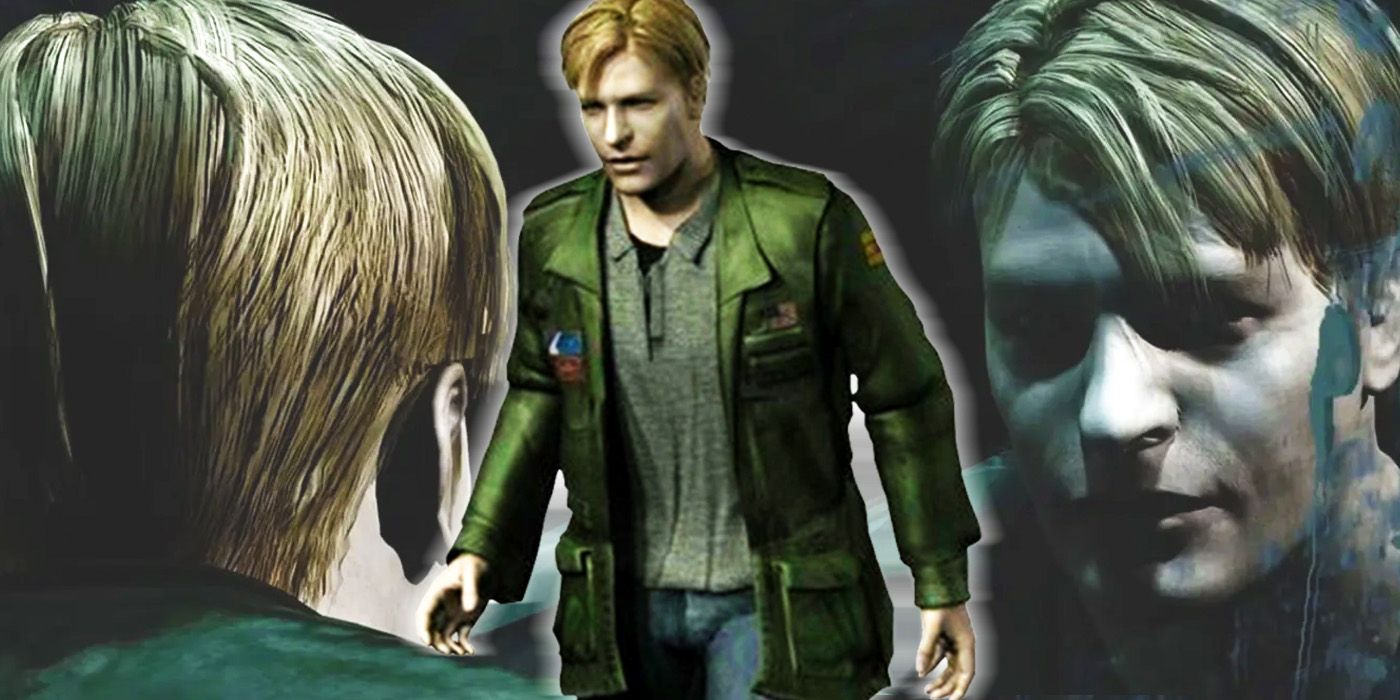
In Silent Hill 2, the intricate tapestry of James Sunderland’s psychological journey is deeply influenced by player choices, narrative design, and symbolism. As a player, the decisions made throughout the game significantly shape the unfolding story and lead to different endings, each reflecting facet aspects of James’s psyche and emotional state.
Psychological Rating and Ending Outcomes
1. Gameplay Choices
The player’s actions throughout the game, though seemingly minor, hold substantial import in determining the narrative trajectory and functional endings. Critical gameplay choices include:
– Health Management: How the player navigates James’s health directly contributes to thematic elements of self-destruction. Neglecting to heal (allowing James to take damage) can guide the narrative toward the “In Water” ending. This ending symbolizes James’s deep-seated feelings of guilt and his desire to escape life, culminating in a metaphorical (and literal) drowning in his sorrows.
– Interactions with Items: Certain items in the game are more than just collectibles; they are keys to understanding narrative depth and character psychology. For example, engaging with items like Angela’s knife or the diary can reveal layers of James’s guilt and perceptions, influencing which ending the player experiences thanks to the insights garnered through these interactions.
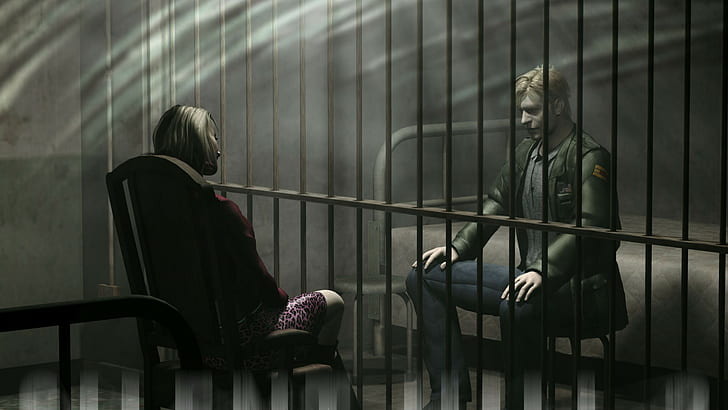
– Interactions with Characters: The dynamics between James and other characters, notably Mary and Maria, are pivotal. By spending more time with Maria, the player may tilt the story toward the “Maria” ending, showcasing James’s inclination to escape reality rather than confronting his past. Alternatively, focusing on messages from Mary can lead to the “Leave” ending, where James confronts his feelings about loss and beginnings.
2. Narrative and Symbolism
The game’s storytelling and visual motifs significantly amplify its psychological horror elements:
– Monsters as Inner Demons: Each creature James encounters serves as a physical manifestation of his internal struggles—guilt, resentment, and repression. These manifestations are learned responses to trauma and remorse stirred by the loss of Mary, providing a chilling reflection on the psychological horror genre.
– Setting and Atmosphere: The unsettling ambiance of Silent Hill amplifies the themes of dread and alienation, mirroring James’s profound internal conflict. The fog, the pervasive sense of loneliness, and the decaying environment all contribute to a landscape that is as much a character as any human figure in the game, embodying James’s state of mind.
Conclusion
The psychological intricacies of Silent Hill 2 and its diverse endings are tightly interwoven. Player engagement—through choices, item interactions, and conversations—offers a multifaceted exploration of James Sunderland’s psyche. The interplay of direct gameplay decisions and narrative elements allows for a unique horror experience tailored individually, amplifying the psychological depth of the game.
Specific Endings and Their Influences
1. “In Water” Ending
– Conditions: Achieved by failing to maintain James’s health throughout the game.
– Significance: This ending underscores James’s surrender to guilt, as he ultimately drives his car into Toluca Lake. It represents a culmination of his inner turmoil and acknowledgment of his destructive path.
2. “Maria” Ending
– Conditions: This ending occurs when players prioritize interactions with Maria at the expense of confronting messages from Mary.
– Significance: It illustrates James’s avoidance of trauma and the denial of his past, opting instead for a fleeting relationship that parallels Mary in a superficial manner.
3. “Leave” Ending
– Conditions: This ending surfaces when the player demonstrates a commitment to understanding Mary. Actions like re-reading her letter are indicative of this path.
– Significance: It symbolizes acceptance, resolution, and the willingness to move forward despite the pain of loss, revealing James’s growth and acceptance.
4. “Stillness” Ending
– Conditions: This requires a distinct set of actions, including the acquisition of the Key of Sorrow.
– Significance: This ending emphasizes themes of reflection and acceptance, presenting a path where James confronts his guilt, showcasing deeper emotional introspection than some other endings.
Each conclusion in Silent Hill 2 provides players with a unique lens through which to view James’s psychological state, demonstrating how choice and narrative interplay can result in a profoundly personalized experience within the horror genre.


Leave a Reply