
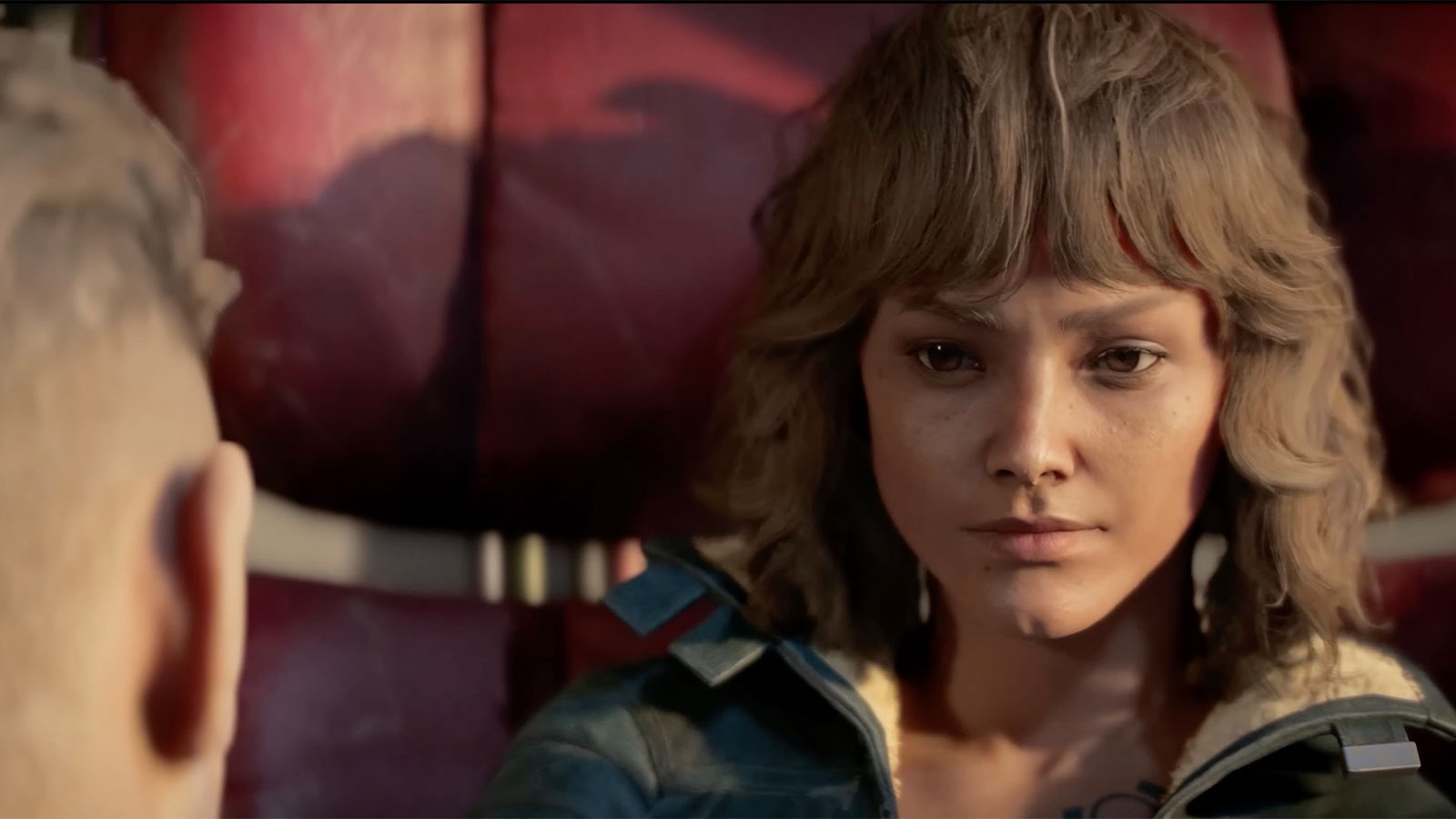
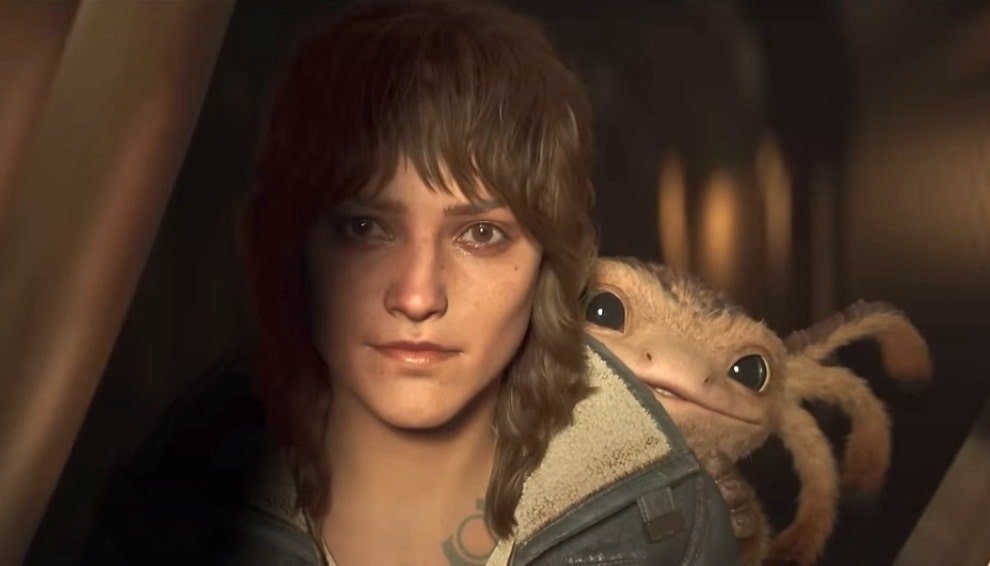
In “Star Wars: Outlaws,” the design choices prioritize a heroic narrative consistent with the overarching themes of the Star Wars universe. The game intentionally restricts players from harming civilian NPCs (non-player characters), emphasizing the protagonist Kay Vess’s alignment with the rogue yet principled smuggler archetypes, notably akin to Han Solo. This approach not only refrains from depicting gratuitous violence against innocents but also reinforces the protagonist’s identity as a morally grey but ultimately noble character in a lawless galaxy.
Wanted System
While the game limits direct harm to civilians, it introduces a Wanted system reminiscent of Grand Theft Auto. Players who engage in overt criminal activities—such as theft or attacking Empire forces—can accrue a high “Wanted” level. This escalation results in dynamic encounters with Imperial forces, leading to suspect chases and confrontations, yet it carefully avoids penalizing players for harming civilians. This framework retains the integrity of the game’s character-driven narrative, ensuring that conflict arises from interactions with the established powers in the galaxy rather than indiscriminate violence.
Reputation System
The game incorporates a reputation system, allowing players to make choices impacting their standing with various factions. This system introduces complexity and depth to gameplay, encouraging players to consider the ramifications of their choices in diplomatic and strategic contexts. Decisions made throughout quests influence relationships and access to resources, thereby shaping the gameplay experience.
Breakdown of Choices
1. Main Quest Choices:
These choices primarily affect reputation with various factions, often trading favor between them.
– Example:
– Quest: Underworld
– Choice: Tell Eleera about the traitor
– Consequences: Gain reputation with Crimson Dawn without losing favor with the Pykes.
– Quest: False Flag
– Choice: Frame either the Crimson Dawn or the Pykes
– Consequences: Favor gained with one faction at the loss of another.
– Quest: The Hive
– Choice: Give the strand to either Krisk or the Queen
– Consequences: Depends on the ally chosen; affects the power dynamics within the Ashiga Clan.
2. Syndicate Quests:
These quests impact faction reputation similarly but typically lack significant long-term story implications.
– Example:
– Quest: The Traitor
– Choice: Keep the ring or give it away
– Consequences: Impacts the player’s standing with specific factions.
– Quest: Counterfeit Credits
– Choice: Warn either the Crimson Dawn or Pykes
– Consequences: Increases reputation with the faction given a heads-up.
– Quest: The Broker
– Choice: Bribe or refuse to bribe
– Consequences: Bribery maintains a low wanted level while refusal may escalate it.
Conclusion
Overall, “Star Wars: Outlaws” successfully cultivates a gameplay experience that emphasizes strategic decision-making and faction dynamics rather than mindless violence against innocents. The restriction on harming civilians aligns with the heroic tone of the universe and contributes to a narrative that encourages players to navigate the moral complexities of their smuggler’s journey, enhancing both progression and player engagement in this richly crafted world. This design choice not only preserves the ethical framework associated with the Star Wars narrative but also prioritizes a more thoughtful and engaging interaction with its environment and characters.



Leave a Reply