
In Street Fighter 6, Overdrive moves serve as the modern evolution of EX Special Moves found in earlier titles, maintaining familiar mechanics while adapting to the unique Drive Gauge system of SF6. Here is a comprehensive examination of Overdrive moves, highlighting their similarities to EX Specials, but also their key differences and strategic implications in gameplay.
Core Similarities
– Functionality: Both Overdrive and EX Specials act as advanced versions of regular special moves. Players can expect enhancements in various properties, such as increased damage output, reduced startup time, the addition of armor, or improved potential for combos. This allows players to capitalize on aggressive strategies or to secure damage in key moments.
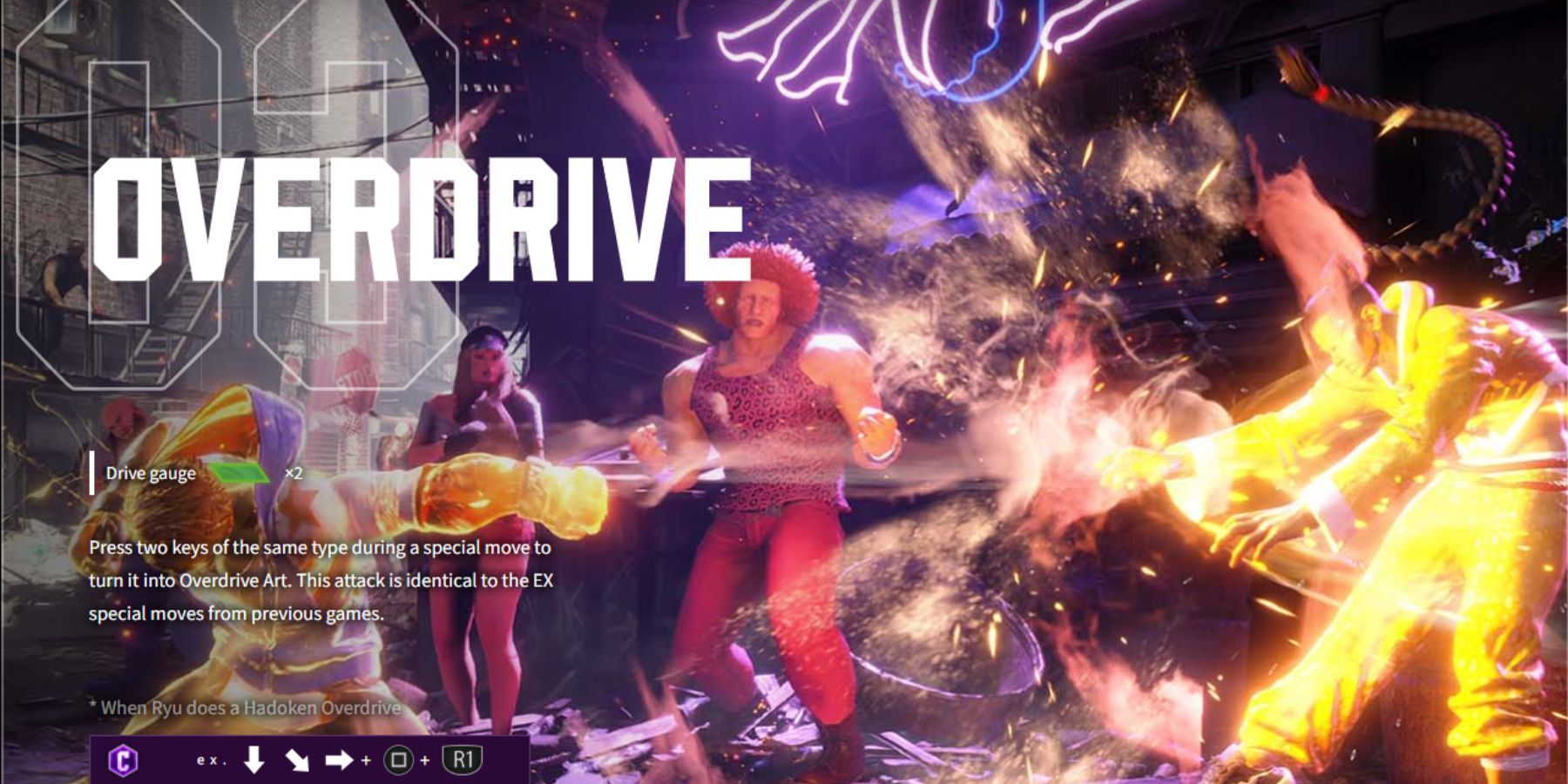
– Input Method: The execution of both types of moves involves pressing two attack buttons simultaneously while inputting a special move command. This tactile consistency is designed to be intuitive for players familiar with the franchise.
Key Differences
1. Meter System Integration
– Overdrive: These moves draw from the Drive Gauge, located above the Super Art gauge, with each Overdrive costing 5,000 Drive units, which is equal to two segments of the six-segment Drive Gauge. This integration of Overdrive into the Drive system places a strategic emphasis on managing this resource effectively.
– EX Specials: Historically, EX moves accessed either the V-Gauge or Super Meter in titles such as SFV. This separation of resources from defense-centric mechanics like Focus Attacks allows for different strategic applications that are native to previous game designs.
2. Meter Management
– Overdrive Limitations: A critical distinction is the risk of Burnout, a state where the Drive Gauge depletes completely. Entering Burnout renders players without access to Drive mechanics (e.g., Parry, Drive Rush) and applies significant debuffs, including increased blockstun and chip damage.
– Meter Regeneration: The Drive Gauge exhibits a fluid recovery rate, gradually refilling between rounds and during neutral phases of combat. This contrasts sharply with Super Meter from earlier titles, which requires specific actions to earn back after use.
3. Combo Synergy
– Resource Stacking: Overdrive moves offer a unique opportunity to combine with Super Arts for potent combo sequences. For instance, a player can execute an Overdrive move like Flash Knuckle followed by a Level 3 Super Art, effectively raising damage potential.
– Drive Rush Integration: Players can cancel Overdrive moves into Drive Rush at the cost of only one Drive bar. This feature not only allows for extended offensive pressure but is also a significant addition lacking in previous EX systems.
Strategic Implications
– Cost-Benefit Analysis: Overdrive moves, being resource-intensive (requiring two bars compared to the one bar for EX moves), necessitate a careful evaluation of resource utilization to avoid the detrimental effects of Burnout.
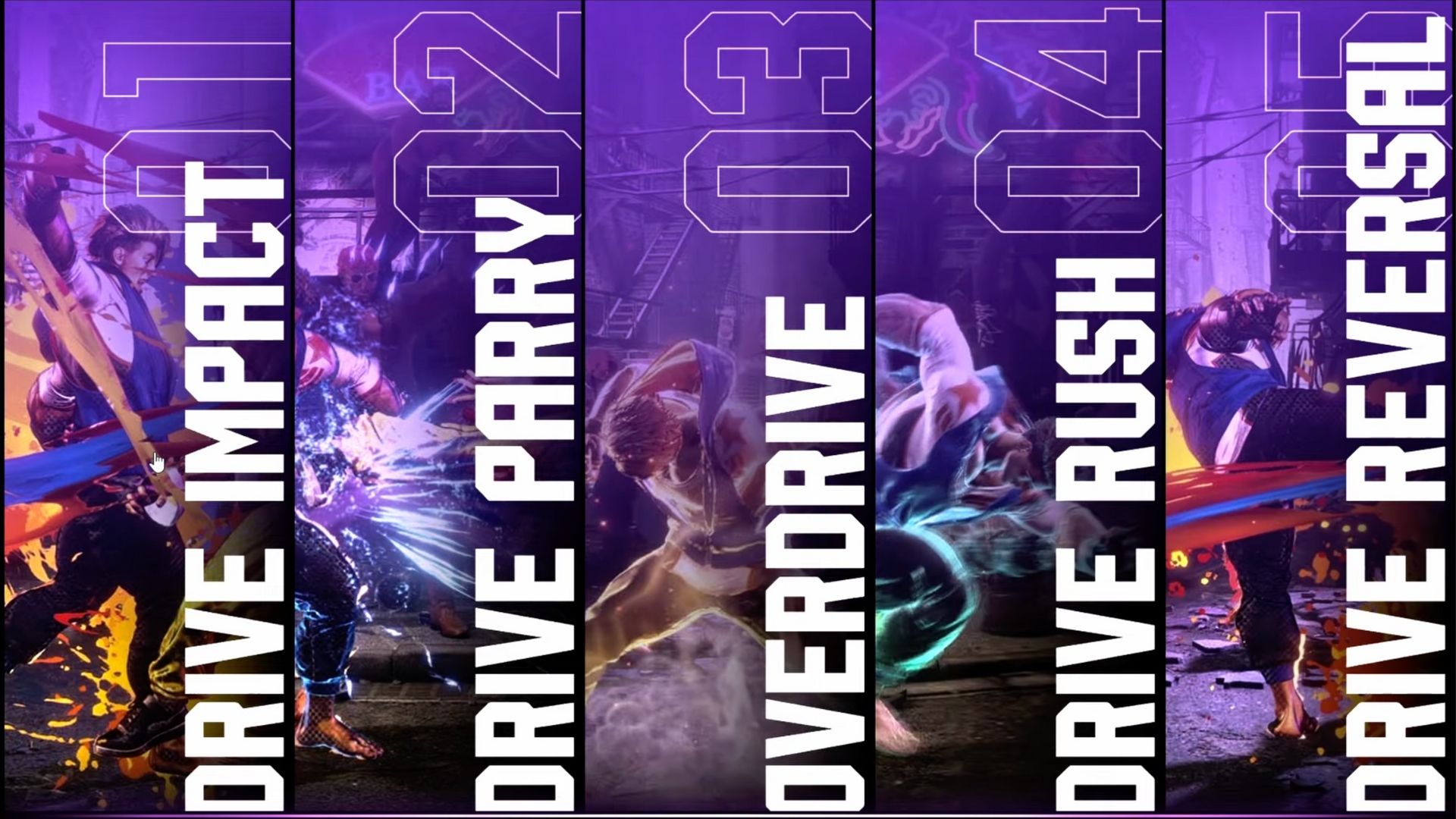
– Defensive Trade-offs: Utilizing an Overdrive move means tapping into a resource used for multiple defensive tactics (like Parry and Drive Reversal), challenging players to find a balance between maintaining defense mechanisms and pursuing offensive opportunities.
– Round Dynamics: A fully replenished Drive Gauge at the commencement of each round promotes an aggressive approach, shifting from the traditional meter buildup seen in EX systems to a more frenetic style of play.
Property Changes
While Overdrive moves retain the essential principles of EX moves, several nuanced adjustments can affect gameplay:
– Projectiles: Overdrive versions of fireballs may introduce variances in hit properties, such as producing multi-hit effects or differing priority on hit confirmation compared to EX variants.
– Oki/Frame Data: Certain Overdrive moves might enhance knockdown advantages, such as Zangief’s Spinning Pile Driver Overdrive offering improved oki potential, which can position players strategically for follow-ups, unlike their non-Overdrive counterparts.
Conclusion
In conclusion, Overdrive moves in Street Fighter 6 epitomize a thoughtful evolution of the EX system, seamlessly woven into the fabric of the game’s Drive Gauge mechanics. This innovation fosters a more immersive experience characterized by risk-reward dynamics and enriched resource management, challenging players to adapt and refine their strategies in pursuit of victory.


Leave a Reply