
Overview of Suicide Squad: Kill the Justice League’s Live-Service Elements
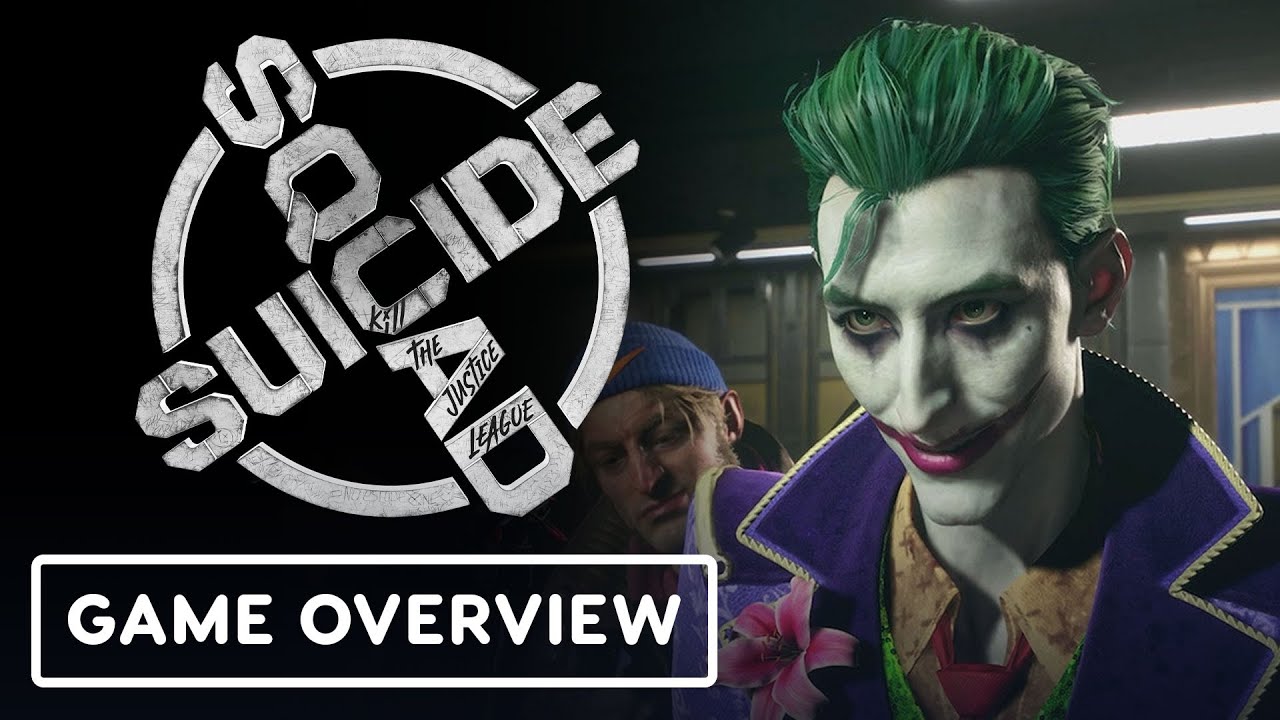
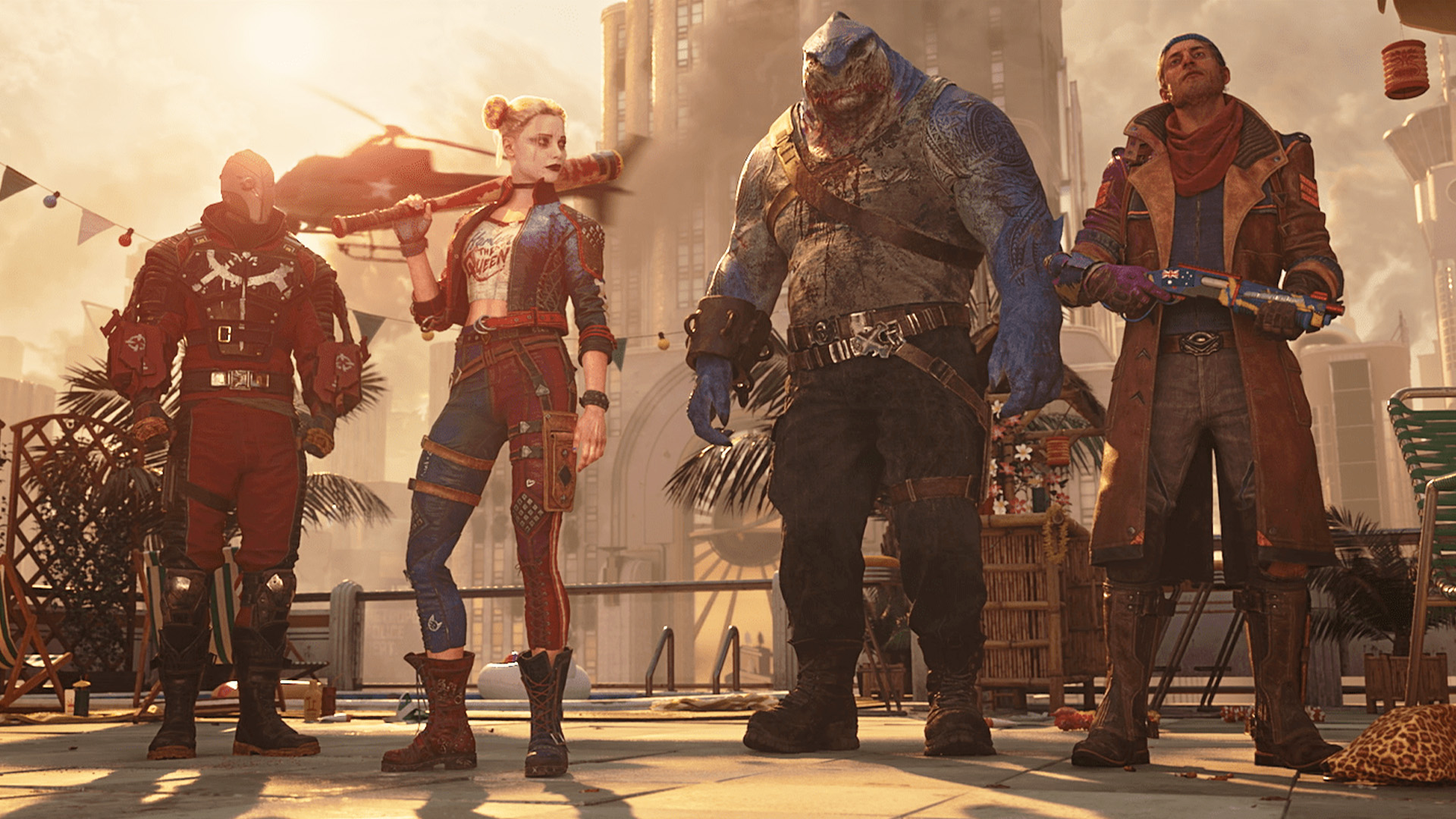
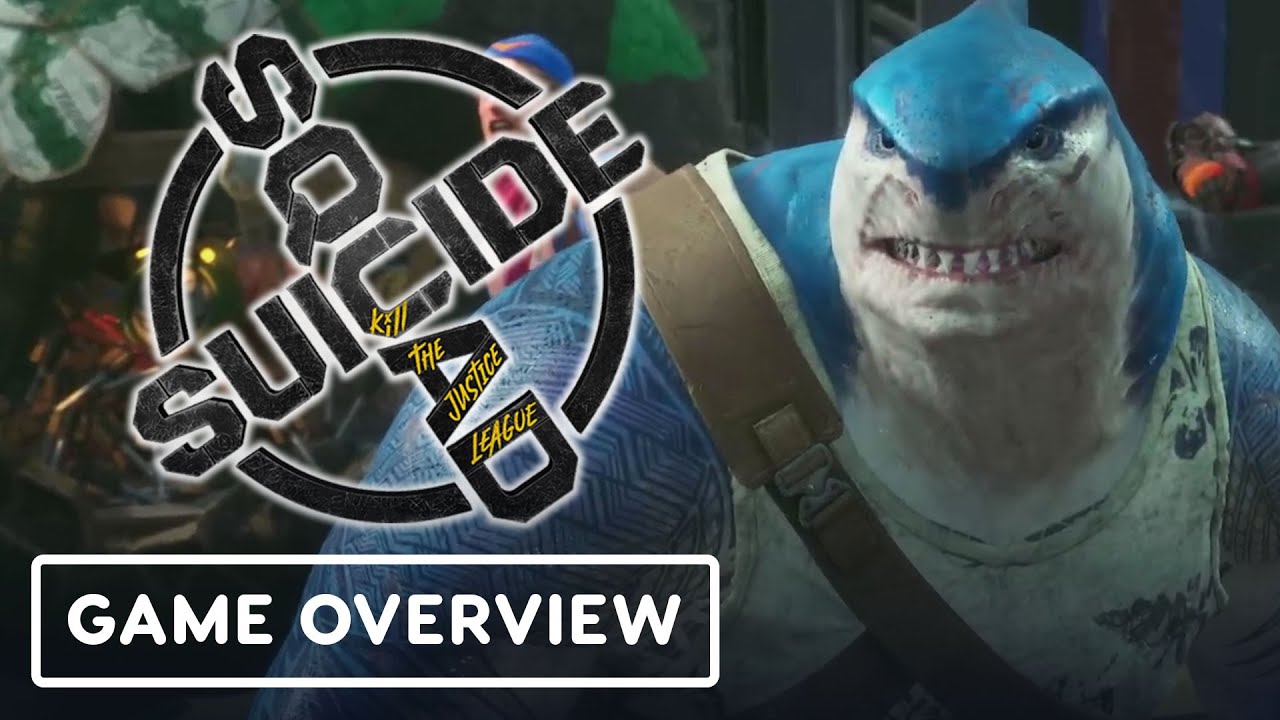
Developed by Rocksteady Studios and published by Warner Bros. Games, Suicide Squad: Kill the Justice League represents a notable pivot from the studio’s acclaimed Batman: Arkham series, particularly in its integration of live-service elements. Designed as an action-adventure, third-person shooter, the game introduced several features characteristic of modern live-service titles, aiming to foster an evolving and interactive gaming environment for fans.
Key Features
1. Constant Internet Connection:
The game mandatorily required an always-online connection, a hallmark of many live-service formats. This design choice was contentious, especially for those looking for a pure single-player experience. It allowed for real-time updates and player interactions but faced criticism from segments of the community who yearned for a more traditional gameplay style. An offline mode was subsequently introduced post-launch in response to fan feedback.
2. Battle Pass System:
Embracing the popular battle pass model, Suicide Squad featured a system where players could earn in-game items, cosmetics, and unlocked content through seasonal participation. This aspect aimed to encourage user engagement and incentivize ongoing play, similar to other titles in the live-service genre.
3. Co-operative and Social Aspects:
The game was built around co-op gameplay, facilitating team experiences with up to four players collaborating on missions. Rocksteady emphasized the social dimensions of gameplay, promoting teamwork and strategic play. Despite these features, the developers were cautious about labeling the game strictly as a live-service title, which may have stemmed from the mixed reception of such games in the community.
4. Post-Launch Content:
A key tenet of live-service gaming is continuous content delivery. Suicide Squad: Kill the Justice League was planned to roll out regular updates post-launch, introducing new missions, weapons, and playable characters across its seasonal roadmap to keep the experience fresh and engaging for players.
Implementation and Reception
– Initial Reception:
Upon release, the live-service approach drew significant criticism, especially from long-time fans who cherished the single-player focus of the Arkham series. Players expressed frustrations regarding the excessive grinding needed for progression and described the gameplay as repetitive, which impacted overall enjoyment and engagement.
– Post-Launch Seasons:
The game featured a roadmap outlining four planned seasons, each intended to introduce new content to revitalize player interest. Unfortunately, despite these efforts, the player base dwindled significantly after the initial launch, illustrating the challenges of retaining engagement in a saturated market.
– Seasonal Updates and Offline Mode:
Throughout its seasons, Rocksteady released character updates and content. By Season 4, they introduced an offline mode to cater to fans’ demands for a single-player experience, symbolizing a shift to address community feedback. However, these adaptations arrived too late to significantly alter player sentiment.
Conclusion of Live-Service Support
– End of Support:
Following consistently poor reception and declining player numbers, Rocksteady announced the cessation of live-service support for Suicide Squad: Kill the Justice League in January 2025, shortly after releasing the game’s final update. This decision marked the culmination of an ambitious attempt to cultivate a live-service ecosystem.
– Financial Impact:
The overall performance of the game had substantial financial repercussions for Warner Bros., with estimates indicating a $200 million loss in revenue due to the game’s disappointing reception and player engagement metrics.
Summary
In summary, Suicide Squad: Kill the Justice League ventured into live-service territory with aspirations of creating a dynamic and continuously engaging experience. Featuring co-op gameplay, a battle pass system, and a commitment to post-launch content, it aimed to appeal to modern gamers. However, the backlash from fans and the resultant decline in player engagement ultimately led to its premature end of live-service support, reflecting the complexities and risks associated with evolving gameplay models in an ever-changing gaming landscape.


Leave a Reply