
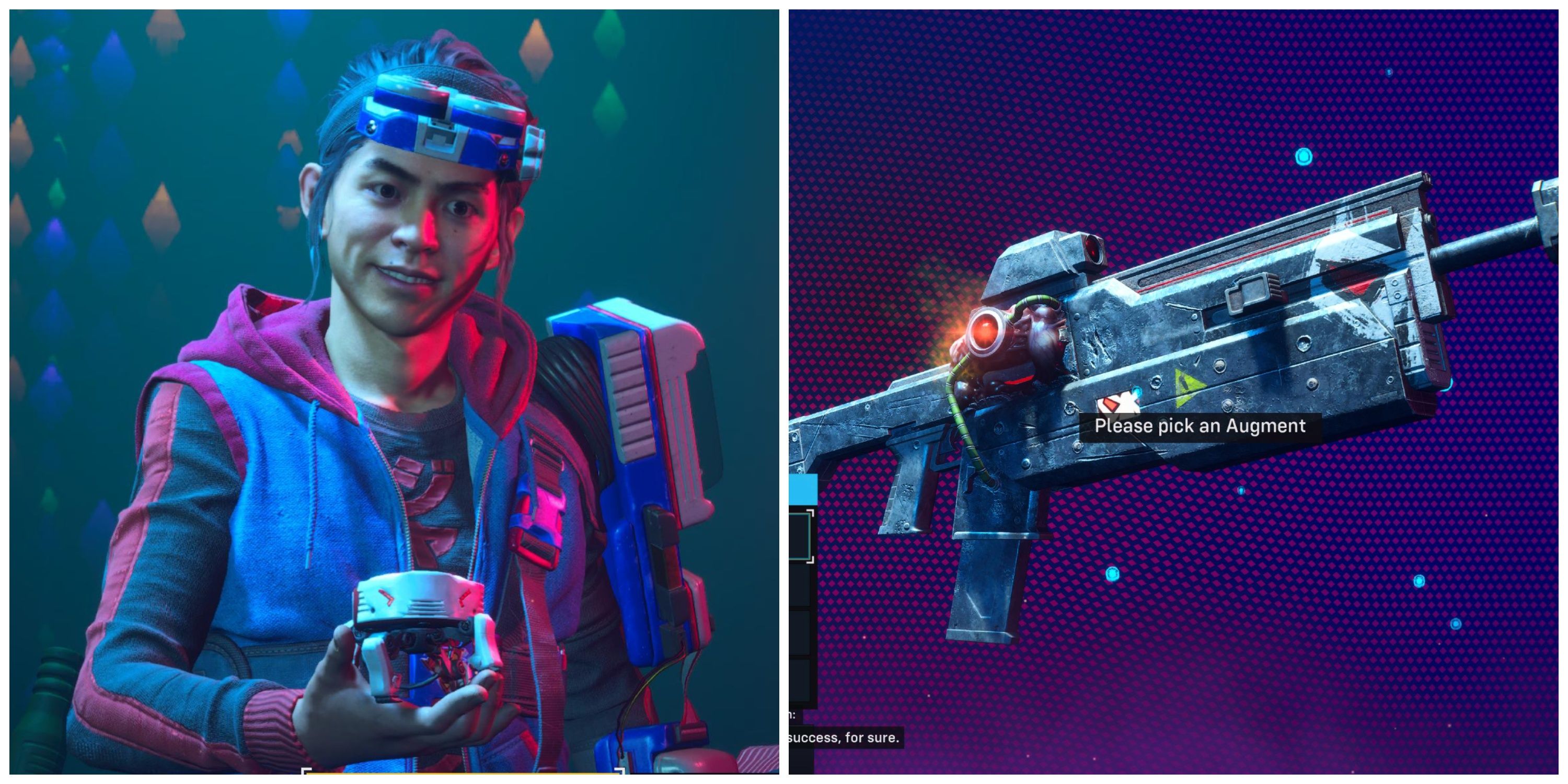
In Suicide Squad: Kill the Justice League, the innovative approach to the gear system deviates from conventional gaming practices by eliminating a traditional gear score or power level system. Instead, it emphasizes gear quality, categorized into rarity levels such as uncommon, rare, and epic, allowing players to customize their characters through augmentations and modifications. This distinctive system has several implications for matchmaking and the overall multiplayer experience.
Matchmaking Impacts Due to the Gear System
1. Absence of Direct Gear Level Matchmaking: The game’s lack of a gear level means matchmaking isn’t influenced by players’ equipment attributes. Players are not paired based on their gear score; rather, matchmaking focuses on a broader aspect of player skill and choice of characters. This can lead to matches where skill rather than gear predominates, altering dynamics in multiplayer sessions.
2. Character Progression Considerations: While the gear system does not play a direct role in matchmaking, the progression of players through the game may yield an indirect impact. Those who advance further may have access to better gear or character upgrades, potentially offering an advantage. However, the matchmaking algorithm does not explicitly account for these advancements, which may result in mismatches between experienced players and newcomers.
3. Advantages of Cross-Platform Play: The incorporation of cross-platform play boosts the matchmaking pool by allowing players from various gaming platforms to join forces. This feature can ease some matchmaking frustrations, as it increases the diversity and quantity of players available, potentially leading to improved match quality and shorter wait times.
4. Player Dissatisfaction with Matchmaking: Despite the benefits offered by the gear system and cross-platform capabilities, players have voiced their grievances regarding matchmaking. Concerns include a lack of options for inclusive or balanced matches, prolonged wait times, and the occurrence of uneven matchups. These challenges can detract from the gameplay experience and are perceived as more significant issues than the innate characteristics of the gear system.
Workarounds and Community Strategies
In response to the matchmaking challenges, players often seek alternative methods to enhance their gameplay experience. These include:
– Joining Friends’ Sessions: Players frequently opt to enter games directly with friends to avoid the matchmaking system altogether, providing a more controlled and enjoyable experience.
– Experimenting with Multiplayer Modes: Utilizing different multiplayer settings like Private Squads, Open to Friends, or Open to Public can also help players find more desirable matchmaking dynamics. However, these methods are not panaceas for the underlying issues with balancing or match quality.
Conclusion
In summary, the gear system in Suicide Squad: Kill the Justice League fundamentally shifts the focus from traditional gear score mechanics to a model that prioritizes augmentations and character customization. While this system encourages diverse character builds, it also presents challenges for matchmaking that extend beyond the gear itself. Player frustrations primarily stem from the matchmaking structure rather than the gear categories, indicating a need for potential enhancements in the matchmaking framework itself. As the player base navigates these complexities, the community continues to develop workarounds and strategies to optimize their multiplayer experiences.


Leave a Reply